
Creatine HCl
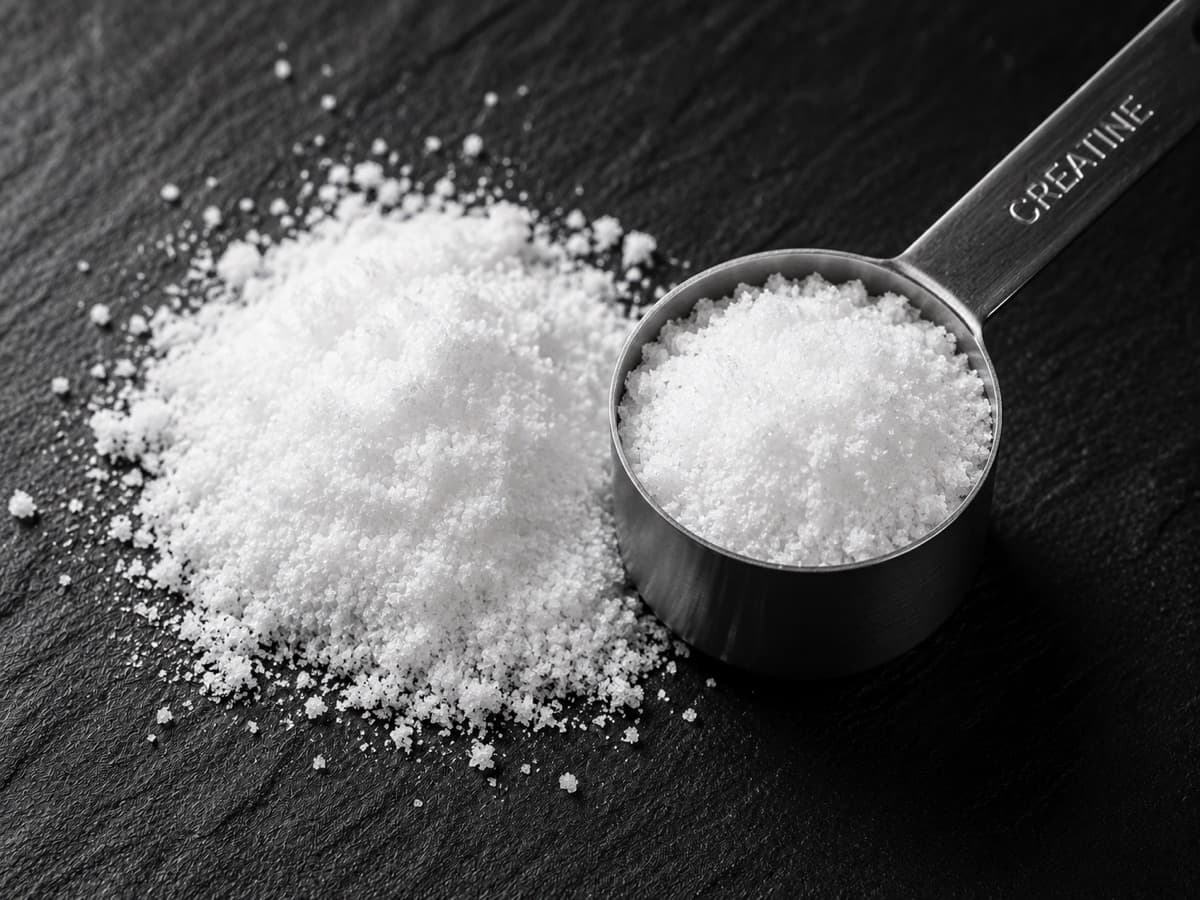
Creatine bound to hydrochloric acid for improved water solubility. Marketed as effective at smaller doses (1–2 g), but head-to-head comparisons with monohydrate are limited, and cost-effectiveness is lower.
An ingredient with growing research
Buy
(PR)The links below include affiliate links (PR).
Effects reported in research
Provides core creatine benefits (strength, lean mass gains)
Higher solubility may reduce GI discomfort for sensitive users
May match monohydrate efficacy at smaller doses — though evidence is limited
Dosage & timing
- 1–2 g/day.
- Loading phase typically unnecessary.
- Consider monohydrate as the evidence-backed reference form.
Cautions
- •Consult a doctor if you have kidney disease.
- •More expensive than monohydrate — prioritize monohydrate if cost-effectiveness matters.
Supporting research
Similar supplements
Creatine
Confidence: HighCreatine monohydrate
One of the most studied supplements, with strong evidence for efficacy and safety. Supports high-intensity performance and gains in lean mass and strength during resistance training.
Betaine (Trimethylglycine)
Confidence: ModerateBetaine (Trimethylglycine, TMG)
Betaine is an amino acid derivative that acts as a methyl donor involved in creatine synthesis. Multiple RCTs have reported improvements in upper-body strength and muscle power, though results for lower-body outcomes are mixed. Cardiovascular benefits via homocysteine reduction are also under investigation.
Testosterone Booster
Confidence: LowMulti-ingredient blend: ashwagandha, zinc, magnesium, vitamin D, tribulus, etc.
Multi-ingredient supplements aimed at maintaining or increasing testosterone levels. Zinc, magnesium, and vitamin D supplementation is effective when deficient, but evidence for significant increases in healthy, non-deficient men is limited.
Last checked: