
Is HMB Really a Superior Muscle-Building Supplement to Creatine? The HMB Hype vs. Research
Published:
Written by: Shingo YoshizakiReviewed by: Tomonobu Someda
HMB (beta-hydroxy-beta-methylbutyrate), a leucine metabolite, is marketed for stimulating muscle protein synthesis and preventing catabolism. But how well does the "guaranteed gains" claim hold up in research, especially for trained individuals?
Let the data settle it.
Is HMB effective for hypertrophy and strength gains in trained individuals?
What's said
HMBサプリメーカー・スポーツサプリ情報
HMB is more efficient than leucine for stimulating muscle protein synthesis and preventing catabolism. Experienced trainees see guaranteed gains in muscle mass and strength. Professionals use it.
What research says
- Sanchez-Martinez et al.
- (2018) meta-analysis found that HMB supplementation in trained and competitive athletes did not produce statistically significant hypertrophy or strength gains in most studies.
- Where effects appeared, effect sizes were small.
- Some evidence supports HMB for lean mass preservation in untrained individuals and older adults, but evidence for regular intermediate-to-advanced trainees is weak.
- Industry-funded studies show a pattern of inflated effect sizes.
HMB shows weak evidence for hypertrophy and strength gains in trained individuals. Some support for beginners and older adults. Creatine dominates in cost-effectiveness comparison.
Is HMB a better supplement than creatine?
What's said
HMBサプリ推奨記事・比較サプリ情報
HMB is creatine's superior — it increases protein synthesis AND prevents catabolism, while creatine only affects energy output. The higher cost is worth it.
What research says
- Creatine monohydrate has the most consistent and well-replicated evidence for strength and lean mass gains of any sports supplement — endorsed as effective by the International Society of Sports Nutrition.
- A month's supply of creatine (~5 g/day) costs a fraction of HMB.
- When comparing evidence quality and cost-effectiveness, HMB does not surpass creatine.
- Experienced trainees should prioritize creatine.
HMB is inferior to creatine in both evidence quality and cost-effectiveness. There's no evidence-based reason to choose HMB before creatine.
Related supplements
PR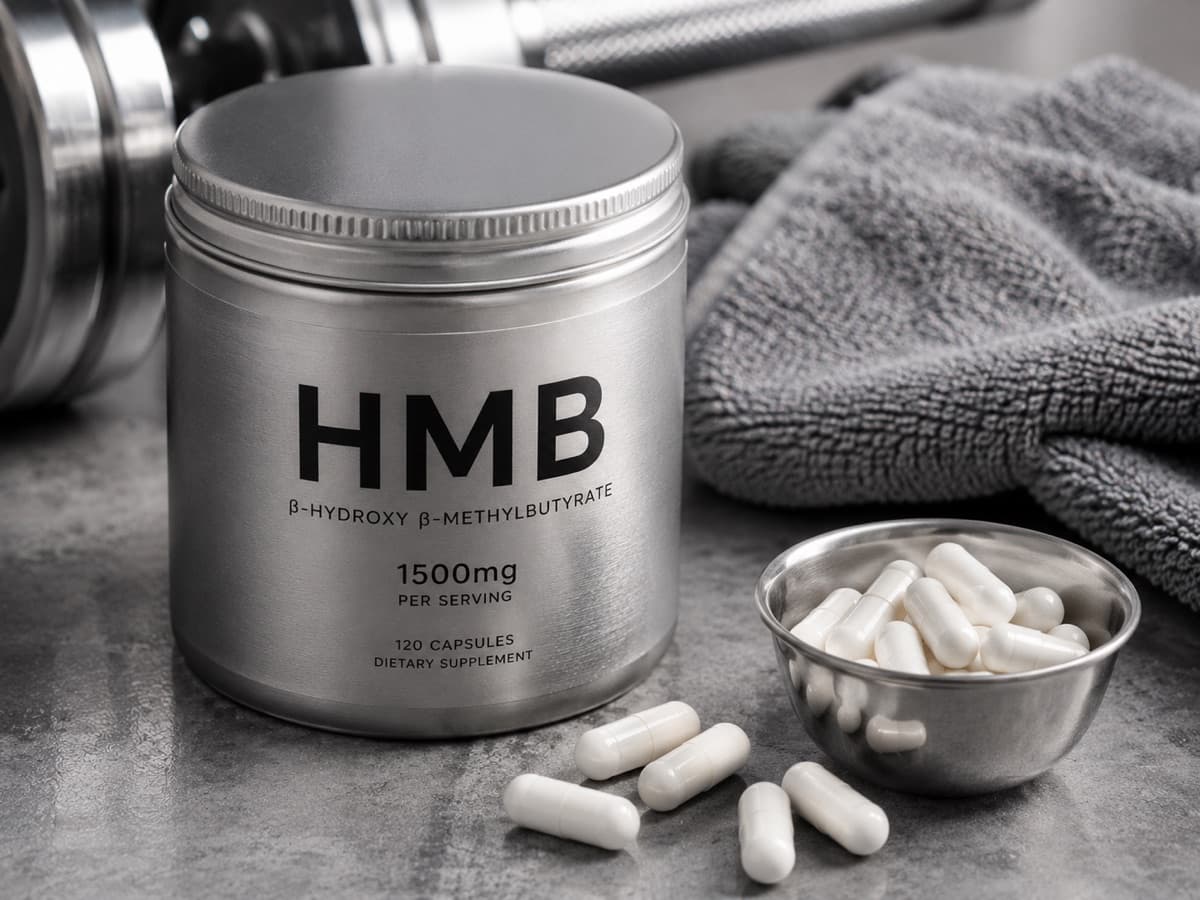 HMB (Beta-Hydroxy Beta-Methylbutyrate)View in official store
Preservation of lean mass during caloric restriction (research reports effects particularly under energy deficit conditions)
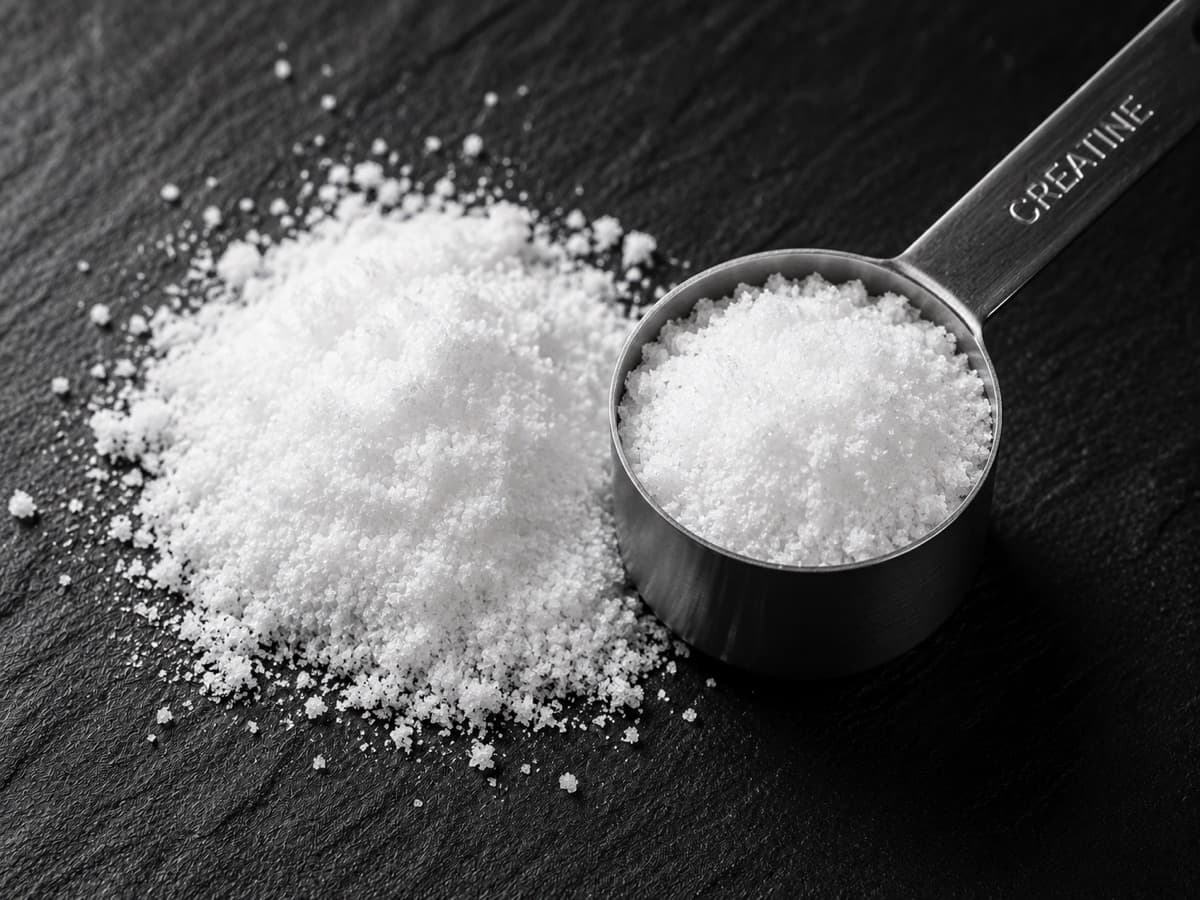 CreatineView in official store
Improved high-intensity, repeated-effort performance
The links below include affiliate links (PR).
Related research
Sources
Published:
Written by
Shingo YoshizakiSoftware Engineer / Research Writer at BODYDATA
An engineer's job is verification. I read the source before I trust gym lore — same as code.
View profile →
Reviewed by: Tomonobu Someda
Content reviewed from the perspective of coaching practice and supplement-industry experience
Read next
- Research vs Bro-science
Does No 'Feeling' Mean Creatine Isn't Working? Common Belief vs. Research
"I don't feel anything from it" and "it doesn't work for me" are among the most common reasons people stop taking creatine. But these conclusions likely stem from a misunderstanding of how creatine actually works. This article examines whether subjective feel is a valid metric for one of the most evidence-backed supplements in sports nutrition.
Shingo Yoshizaki
- Research vs Bro-science
Do You Really Need the Big Three? 'Free Weights or Nothing' Myth vs Research
The 'Big Three' — squat, bench press, and deadlift — are often called the backbone of strength training, and you'll hear claims like 'you can't grow without free weights' or 'machines are for beginners.' Others would rather stick to machines because of knee or back concerns. So are the Big Three and free weights actually essential? Let's look at what the research says, point by point.
Hirotsugu Yoshimura
- Research vs Bro-science
"Can't Build Muscle After 40" — Myth or Reality? Aging vs. the Research
"I'm too old to build muscle" — a common refrain from trainees in their 40s and 50s. Testosterone and growth hormone do decline with age. But is the muscle-building window actually closed? The research says otherwise.
Shingo Yoshizaki