
Grip strength and all-cause mortality and cardiovascular disease risk: a large prospective cohort study
Leong DP, et al.
High-confidence evidence from multiple solid studies
Summary
A large prospective cohort study (PURE study) following 142,861 participants across 17 countries. Grip strength was strongly inversely associated with all-cause mortality and cardiovascular mortality risk. Each 5 kg decrease in grip strength was associated with 16% higher all-cause mortality and 17% higher cardiovascular death risk, suggesting grip strength may be a superior cardiovascular risk marker than blood pressure.
Key findings
- 1
Each 5 kg decrease in grip strength was associated with 16% higher all-cause mortality and 17% higher cardiovascular death risk
- 2
Grip strength predicted cardiovascular mortality better than blood pressure
- 3
This association persisted after adjusting for age, sex, BMI, education, smoking, and physical activity
- 4
Grip strength measurement is highlighted as an important indicator of healthy aging
Related supplements
PR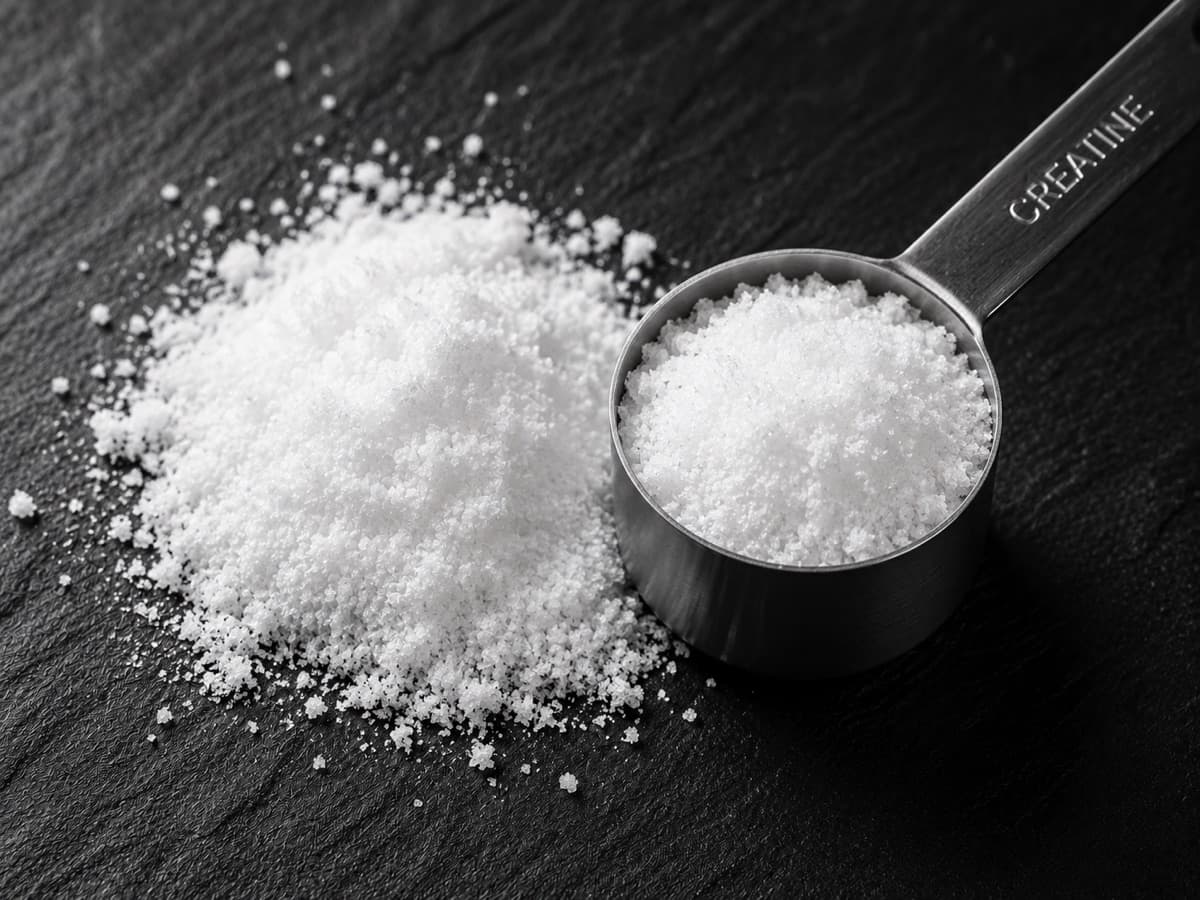 CreatineView in official store
Improved high-intensity, repeated-effort performance
 Vitamin DView in official store
Improved muscle strength and power in deficient individuals (confirmed with supplementation)
The links below include affiliate links (PR).
Related research
Muscle-strengthening exercise and all-cause mortality and longevity: a meta-analysis of prospective cohort studies
British Journal of Sports Medicine, 2022
A meta-analysis integrating 16 prospective cohort studies evaluating the association between muscle-strengthening exercise habits and all-cause mortality and disease-specific death risks. 30–60 minutes of weekly muscle-strengthening exercise was found to significantly reduce all-cause mortality, cardiovascular death risk, and cancer death risk.
Effects of resistance training on bone mineral density: a meta-analysis
British Journal of Sports Medicine, 2015
A pooled analysis of RCTs examining the effects of resistance training on bone mineral density (BMD) at the spine, hip, and femoral neck. Significant BMD increases were found at all sites, with particularly large effects in postmenopausal women.
Last checked: