
Does Phosphatidylserine Lower Cortisol and Aid Recovery? What Research Shows
Published:
Written by: Shingo YoshizakiReviewed by: Tomonobu Someda
I've heard phosphatidylserine (PS) reduces stress hormones and helps with training recovery — is that actually true?
Phosphatidylserine (PS) at 200–800 mg/day has been shown in multiple RCTs to blunt post-exercise cortisol increases by 10–30%. It broadly dampens cortisol responses to both mental and physical stress, with mood improvement also reported. Direct contributions to hypertrophy or strength, however, are limited.
What Is Phosphatidylserine?
Phosphatidylserine (PS) is a phospholipid abundant in cell membranes, with particularly high concentrations in brain neurons. Dietary sources include tuna, sea bream, and soy lecithin, but typical diets fall short of therapeutic amounts. Commercial PS supplements are primarily soy-derived (plant-based); bovine cortex-derived PS was once used but is now rarely sold due to prion safety concerns.
Research Evidence for Post-Exercise Cortisol Suppression
Studies by Fahey & Pearl (1998) and related research show that PS (600–800 mg/day) blunts post-exercise cortisol responses by approximately 20–30%. Since cortisol promotes muscle protein breakdown (see cortisol-muscle-protein-synthesis-review in this database), this suppression may help recovery in athletes in chronically high-stress states. Mood improvement (increased positive affect, decreased negative affect) has also been confirmed in RCTs.
- 20–30%
- reduction in post-exercise cortisol with PS
- 400–800 mg/day
- dose range showing effects in research
Who Benefits Most?
PS recovery benefits are most expected for: ① competitive athletes training 5–6+ days/week at high volume and intensity; ② individuals under dual load from training plus chronic stress (work, sleep deprivation, under-eating); ③ those with a history of overtraining syndrome. For recreational trainees (3–4 days/week), expected benefit is modest — sleep, nutrition, and stress management should be addressed first.
Caveats and Cost-Effectiveness
RCT evidence that PS alone produces significant gains in muscle mass or strength is currently limited. Whether cortisol suppression meaningfully benefits a given individual depends on their stress profile. PS is more expensive than basics like magnesium or creatine — it's best considered as an add-on after foundational supplements (creatine, protein, magnesium) and sleep quality are optimized.
Related supplements
PR PhosphatidylserineView in official store
May blunt post-exercise cortisol elevation (modulating excessive stress response)
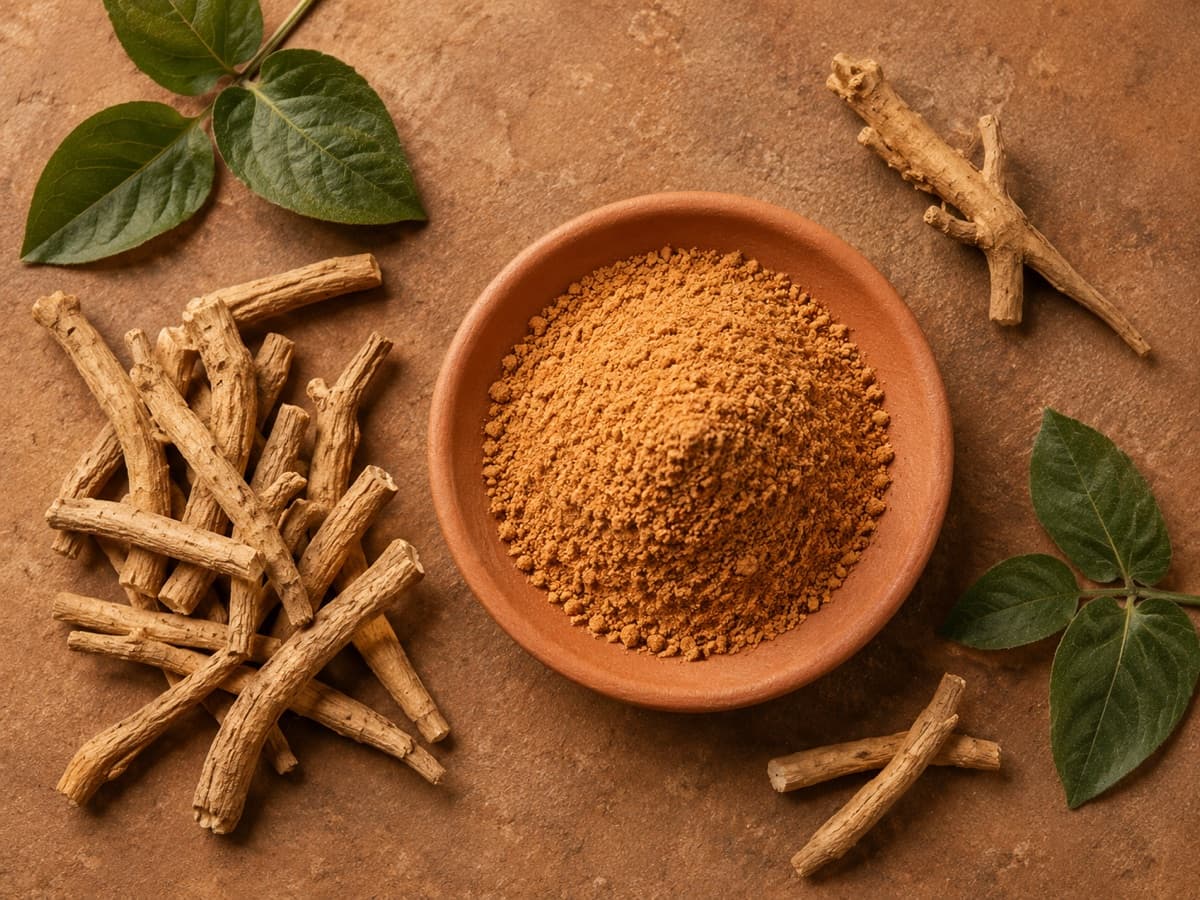 AshwagandhaView in official store
Reduction in cortisol (significant decrease confirmed in studies)
 MagnesiumView in official store
Supports sleep quality and ease of falling asleep when correcting deficiency (confirmed in elderly)
The links below include affiliate links (PR).
Related research
Sources
Published:
Written by
Shingo YoshizakiSoftware Engineer / Research Writer at BODYDATA
An engineer's job is verification. I read the source before I trust gym lore — same as code.
View profile →
Reviewed by: Tomonobu Someda
Content reviewed from the perspective of coaching practice and supplement-industry experience
Read next
- Explainer
Ashwagandha for Recovery and Stress: Evaluating the Most Researched Adaptogen
Ashwagandha (standardized extracts like KSM-66® or Sensoril®) has consistent RCT evidence for reducing cortisol, perceived stress, and anxiety. Modest improvements in muscle strength and mass are also reported. Among adaptogens, it's one of the best-researched options.
Shingo Yoshizaki
- Research vs Bro-science
Does Creatine Speed Up Recovery, Not Just Boost Strength? The Research Evidence
Creatine is the most evidence-backed strength supplement, but you'll also see claims that it accelerates recovery and reduces muscle damage. Let's see how well the recovery benefits are supported by research.
Shingo Yoshizaki
- Explainer
Magnesium for Muscle Recovery and Sleep: Why This Often-Deficient Mineral Matters
Magnesium is an essential mineral involved in 300+ enzyme reactions, muscle contraction, neurotransmission, and protein synthesis. Athletes and active individuals lose it readily through sweat and urine, and deficiency contributes to muscle cramps, poor sleep quality, and accumulated fatigue. RCT evidence exists for improvements in sleep quality and post-exercise recovery with supplementation.
Shingo Yoshizaki