
Magnesium for Muscle Recovery and Sleep: Why This Often-Deficient Mineral Matters
Published:
Written by: Shingo YoshizakiReviewed by: Tomonobu Someda
Does magnesium actually help with recovery and sleep? Can diet alone provide enough?
Magnesium is an essential mineral involved in 300+ enzyme reactions, muscle contraction, neurotransmission, and protein synthesis. Athletes and active individuals lose it readily through sweat and urine, and deficiency contributes to muscle cramps, poor sleep quality, and accumulated fatigue. RCT evidence exists for improvements in sleep quality and post-exercise recovery with supplementation.
Physiological Role of Magnesium and Prevalence of Deficiency
Magnesium (Mg) is essential for ATP (the cell's energy currency) production and utilization, functioning in its Mg-ATP form. It directly participates in the skeletal muscle contraction-relaxation cycle — deficiency increases muscle tension and cramping risk. National nutrition surveys in Japan show many adults fall below recommended Mg intake, and exercising individuals face additional losses through sweat.
- 320–420 mg
- daily recommended intake for adults (men/women)
Effects on Sleep Quality: RCT Evidence
The magnesium-sleep-quality-RCT in this database found that pre-sleep magnesium supplementation (500 mg/day for 8 weeks) in older adults significantly improved PSQI scores, sleep onset time, and objective sleep depth markers (serum melatonin, renin). Large-scale RCTs in younger trainees are fewer, but supplementation is likely beneficial when chronic deficiency is impairing sleep.
Effects on Muscle Cramps and Soreness
Observational evidence suggests magnesium supplementation helps nocturnal muscle cramps (leg cramps), but RCT results are mixed (Miller TA & Moran J, 2019 meta-analysis found no significant difference). However, correction of true deficiency likely does improve cramps. The key framing: use magnesium to correct a deficit, not as an add-on when levels are already sufficient.
Recommended Forms and Timing
Forms with high bioavailability and low GI burden: ① magnesium glycinate, ② magnesium citrate, ③ magnesium L-threonate (high CNS penetration). Magnesium oxide has poor absorption (~4%) and is not recommended for recovery purposes. Taking 100–200 mg elemental magnesium 30–60 minutes before bed is practical. Dietary sources: nuts (almonds, cashews), seeds, whole grains, legumes, and leafy green vegetables.
- 100–200 mg
- recommended pre-sleep dose (elemental Mg)
Related supplements
PR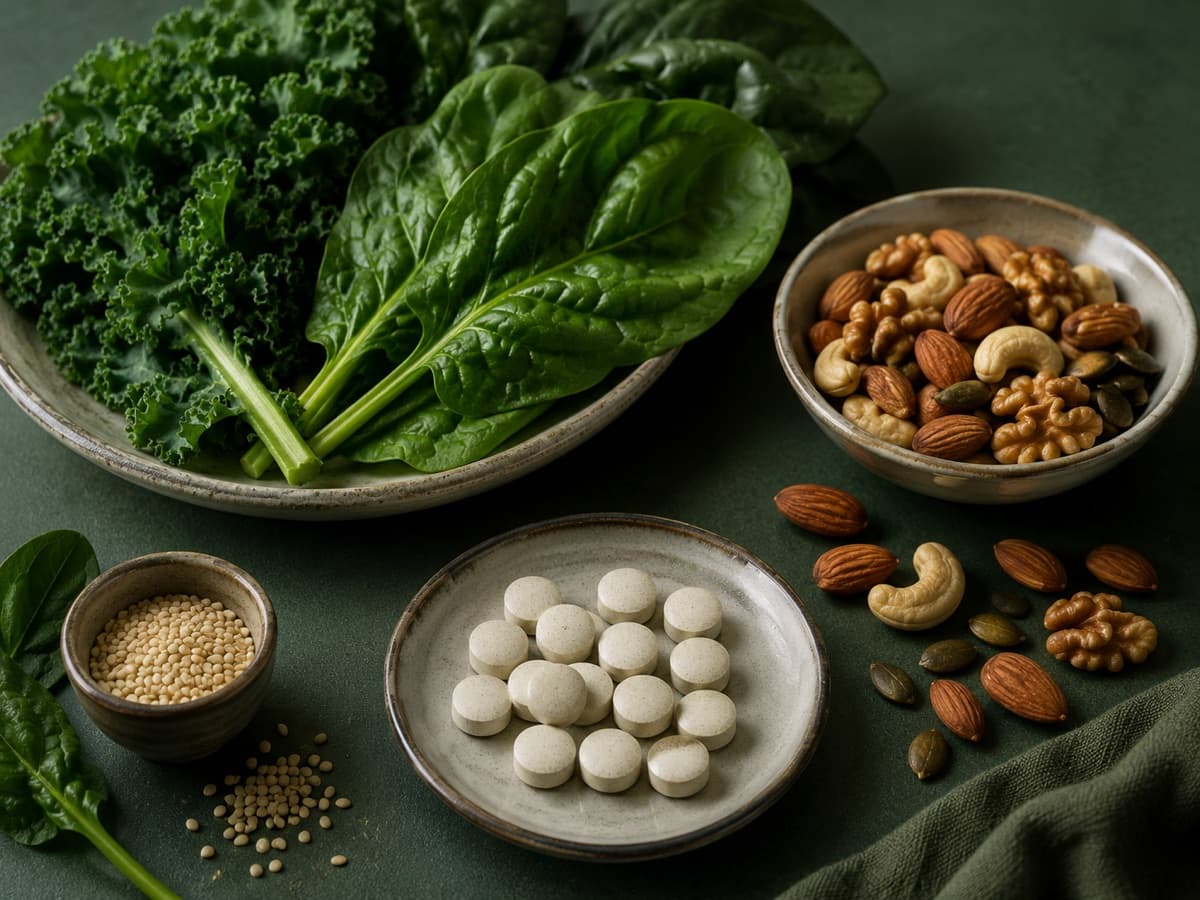 MagnesiumView in official store
Supports sleep quality and ease of falling asleep when correcting deficiency (confirmed in elderly)
- Magnesium GlycinateView in official store
More efficient magnesium replenishment with higher bioavailability than oxide
 ElectrolytesView in official store
Reported to maintain performance better than water alone in exercise over 60 minutes
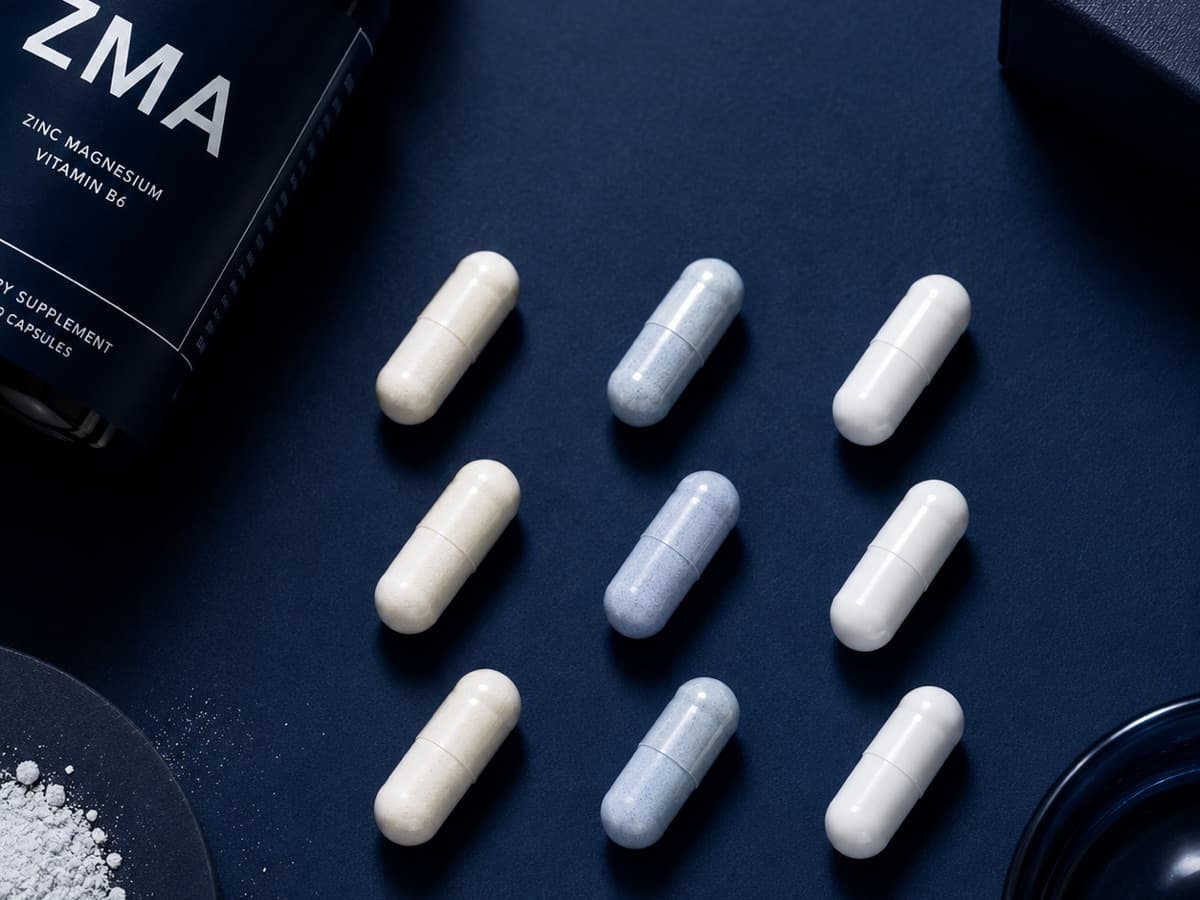 ZMAView in official store
Testosterone normalization in zinc-deficient individuals (deficiency correction)
The links below include affiliate links (PR).
Related research
- The effect of magnesium supplementation on primary insomnia in elderly: A double-blind placebo-controlled clinical trial2012
- Effects of resistance training on sleep quality and subjective fatigue: a randomized controlled trial2018
- Effects of electrolyte and hydration strategies on exercise performance and muscle cramp prevention: a review2011
Sources
Published:

Written by
Shingo YoshizakiSoftware Engineer / Research Writer at BODYDATA
An engineer's job is verification. I read the source before I trust gym lore — same as code.
View profile →
Reviewed by: Tomonobu Someda
Content reviewed from the perspective of coaching practice and supplement-industry experience
Read next
- Research vs Bro-science
Does Magnesium Really Help Muscle Cramps, Sleep, and Recovery? The Mineral Myth vs. Research
Magnesium is pitched as a solution for muscle cramps, poor sleep, and slow recovery. It's involved in 300+ enzymatic reactions — but what does supplementing it actually change? Let's look at the evidence.
Shingo Yoshizaki
- Research vs Bro-science
Do Glycine and GABA Really Improve Sleep and Recovery? The Sleep Supplement Myth vs. Research
Improving sleep quality to maximize training recovery — glycine and GABA are promoted for this purpose. But some argue "swallowing amino acids and neurotransmitters can't affect the brain." Let's separate the evidence for each.
Shingo Yoshizaki
- Research vs Bro-science
Does ZMA Actually Boost Testosterone? Common Belief vs. the Evidence
ZMA has been marketed as a testosterone booster, sleep enhancer, and muscle recovery aid since the late 1990s. It remains a staple in gyms worldwide. But independent research tells a markedly different story from the marketing claims.
Shingo Yoshizaki