
Supplements to Take on Keto: Do You Really Need Electrolytes, Creatine, and Magnesium?
Published:
Written by: Shingo YoshizakiReviewed by: Tomonobu Someda
Do you actually need supplements on a ketogenic diet? Should you be taking electrolytes, magnesium, and creatine?
Ketogenic diets create multiple nutritional gaps that are difficult to close through food alone. Electrolytes — particularly sodium, potassium, and magnesium — are rapidly excreted via the kidneys as insulin drops, making active supplementation necessary from day one of keto. Creatine can partially offset keto-related declines in high-intensity performance. Magnesium deficiency directly causes muscle cramps, disrupted sleep, and fatigue, making supplementation with magnesium glycinate particularly well-supported.
Why Keto Creates Supplementation Needs: Insulin Decline and Electrolyte Excretion
Under normal dietary conditions, insulin promotes renal sodium reabsorption, keeping electrolytes well-retained. When carbohydrates are restricted on keto, insulin drops rapidly, triggering the kidneys to excrete large quantities of sodium and water — followed by potassium and magnesium. As electrolytes-hydration-performance-review shows, electrolyte depletion is not only the primary driver of keto flu but also affects muscle, nerve, and cardiac function over the longer term. Additionally, keto's restriction of grains, legumes, and most fruit reduces dietary access to B vitamins, iron, calcium, and fiber. The practical mindset should shift from 'diet management alone is sufficient on keto' to 'actively ensuring key nutrients are covered.'
- 3 key electrolytes
- Sodium, potassium, and magnesium — require supplementation from keto day one
Electrolytes (Sodium and Potassium): The Highest-Priority Supplements for Keto Flu Prevention
**Sodium (2,000–4,000 mg/day additional)**: The highest-priority intervention at keto onset. Add salt to meals, consume miso soup, bone broth, or electrolyte drinks. Adjust amounts in consultation with a physician if hypertension or heart disease is present. **Potassium (1,000–3,500 mg/day)**: Avocados (~700 mg per whole fruit), leafy greens (spinach, kale), salmon, and potassium electrolyte supplements are the main sources. Keto-compatible foods can supply adequate amounts, but avoid megadosing potassium supplements in a single sitting (hyperkalemia risk). Electrolyte supplement selection: choose products free of sugar, artificial sweeteners, and maltodextrin (which can disrupt ketosis). Powder-based formulas with sodium chloride, potassium chloride, and magnesium compounds typically offer the best cost efficiency.
- 2,000–4,000 mg/day
- additional sodium recommended from keto day one
- ~700 mg
- potassium per whole avocado
Magnesium: The Critical Mineral Behind Muscle Cramps, Sleep, and Energy
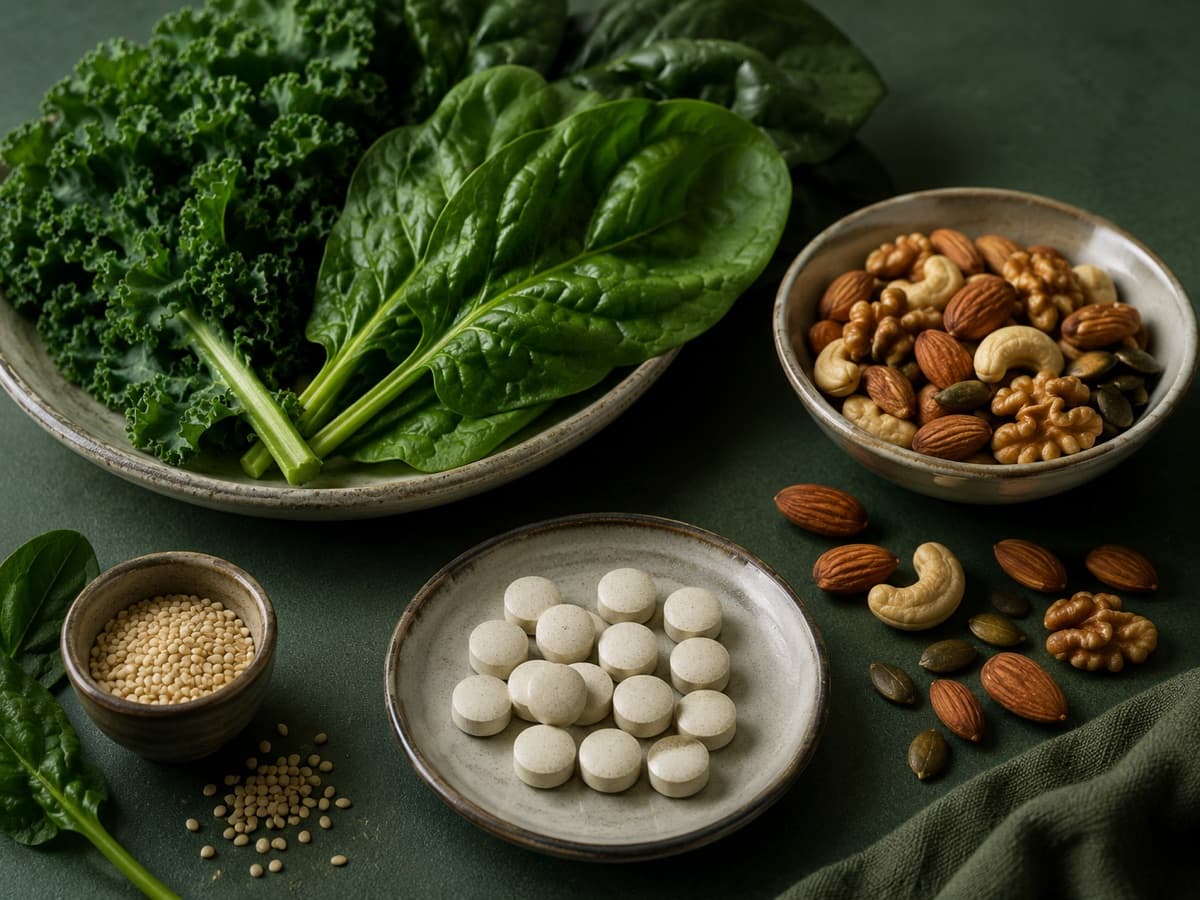
Magnesium is one of the most commonly depleted minerals on a ketogenic diet, and its deficiency symptoms — muscle cramps, poor sleep, fatigue, and impaired concentration — closely mimic keto flu, leading to frequent confusion. Magnesium-sleep-quality-rct confirms that supplementation improves sleep quality and reduces muscle cramps. **Choosing a form**: - **Magnesium glycinate**: High absorption, low GI burden, well-suited for sleep quality improvement. 300–400 mg before bed is the common recommendation. - **Magnesium citrate**: Good absorption, but high doses can soften stools. - **Magnesium oxide**: Inexpensive but poorly absorbed (10–30%). Effective for constipation but not recommended primarily for electrolyte replenishment. Target magnesium intake on keto: 300–400 mg/day elemental magnesium (including dietary sources).
- 300–400 mg/day
- target elemental magnesium on a ketogenic diet
- Glycinate > Citrate > Oxide
- magnesium bioavailability ranking by form
Creatine: The Most Evidence-Backed Supplement for Offsetting Keto's Performance Limitations
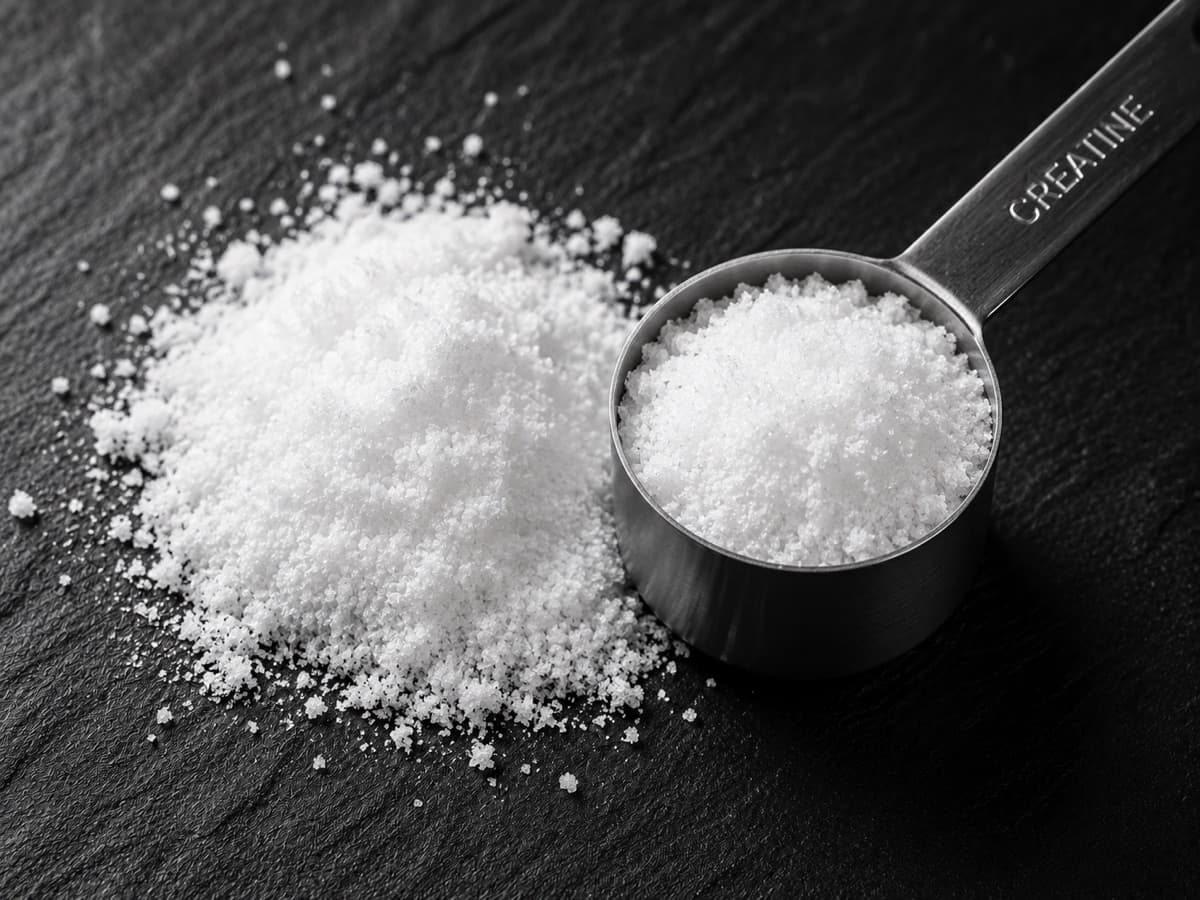
One primary driver of high-intensity performance decline on keto (sprints, heavy resistance training) is delayed ATP resynthesis caused by glycogen depletion. Creatine-resistance-training-meta provides strong evidence that creatine supplementation increases intramuscular phosphocreatine (PCr) stores and improves short-burst, high-intensity output — which is precisely why it can partially compensate for keto-related performance limitations. Key points for creatine use on keto: Loading (20 g/day × 5 days) is optional — a maintenance dose of 3–5 g/day achieves equivalent intramuscular saturation within 4–6 weeks. Creatine induces water retention and may increase body weight by 1–2 kg; this reflects intramuscular water increase, not fat gain. Avoid misinterpreting this scale increase as fat accumulation while on keto.
- 3–5 g/day
- creatine maintenance dose (saturation in 4–6 weeks without loading)
Other Supplements Worth Considering: Vitamin D, Omega-3s, and MCT Oil
**Vitamin D (1,000–4,000 IU/day)**: A widespread deficiency in Japan unrelated to keto specifically. Vitamin-d-muscle-strength-meta shows associations with muscle strength and immune function; pairing with calcium supplementation is useful when bone density concerns arise on keto. **Omega-3s (EPA+DHA: 1,000–3,000 mg/day)**: Ketogenic diets tend to increase saturated fat intake and can skew the omega-6 to omega-3 balance unfavorably. Fish oil supplementation when seafood intake is low may help mitigate some of the LDL-related concerns. **MCT oil (5–20 g/day added to meals)**: Medium-chain triglycerides are rapidly converted to ketones and support keto adaptation. GI symptoms (loose stools, stomach discomfort) are common — start with 5 g and increase gradually. The most widely used keto-specific supplement for sustaining and deepening ketosis.
- Start at 5 g
- recommended MCT oil starting dose to avoid GI symptoms
Related supplements
PR ElectrolytesView in official store
Reported to maintain performance better than water alone in exercise over 60 minutes
 Magnesium GlycinateView in official store
More efficient magnesium replenishment with higher bioavailability than oxide
- MagnesiumView in official store
Supports sleep quality and ease of falling asleep when correcting deficiency (confirmed in elderly)
 CreatineView in official store
Improved high-intensity, repeated-effort performance
 MCT Oil (Medium-Chain Triglycerides)View in official store
More rapid absorption and conversion to ketone bodies compared with long-chain fats, potentially supporting fast-acting energy availability
 Vitamin DView in official store
Improved muscle strength and power in deficient individuals (confirmed with supplementation)
 Omega-3 (Fish Oil)View in official store
Reduced chronic inflammation (EPA-driven anti-inflammatory effects)
The links below include affiliate links (PR).
Related research
- Effects of electrolyte and hydration strategies on exercise performance and muscle cramp prevention: a review2011
- The effect of magnesium supplementation on primary insomnia in elderly: A double-blind placebo-controlled clinical trial2012
- Creatine supplementation augments gains in strength and lean mass from resistance training (meta-analysis)2017
- Effects of vitamin D supplementation on muscle strength in athletes: A systematic review2015
- Efficacy of ketogenic diet on body composition during resistance training in trained men: a randomized controlled trial2018
Sources
Published:

Written by
Shingo YoshizakiSoftware Engineer / Research Writer at BODYDATA
An engineer's job is verification. I read the source before I trust gym lore — same as code.
View profile →
Reviewed by: Tomonobu Someda
Content reviewed from the perspective of coaching practice and supplement-industry experience
Read next
- Explainer
What Is Keto Flu? Symptoms, Duration, and Evidence-Based Ways to Get Through It
Keto flu refers to a cluster of transient symptoms — headache, fatigue, brain fog, nausea, and muscle cramps — that typically occur 2–7 days after starting a ketogenic diet. The root cause is carbohydrate restriction → insulin decline → increased renal sodium and fluid excretion → rapid depletion of electrolytes (particularly sodium, potassium, and magnesium). Most symptoms can be substantially reduced through appropriate electrolyte supplementation and a gradual dietary transition.
Shingo Yoshizaki
- Research vs Bro-science
Creatine Monohydrate vs. Kre-Alkalyn — Which One Actually Works Better?
"Kre-Alkalyn's pH buffering means better absorption and the same results at a lower dose" — a claim you'll hear often in supplement circles. Before paying a premium for a newer form, here's what the systematic review evidence actually shows.
Shingo Yoshizaki
- Research vs Bro-science
Is Creatine Loading Actually Necessary? Should You Take High Doses in the First Week?
A widely known creatine protocol involves 'loading' — taking 20 g/day for the first 5–7 days before dropping to a maintenance dose. The rationale is faster saturation of muscle creatine stores. But does the end result differ from simply starting at a maintenance dose? Is loading worth the tradeoffs? Let's evaluate the research.
Shingo Yoshizaki