
Omega-3 (Fish Oil)
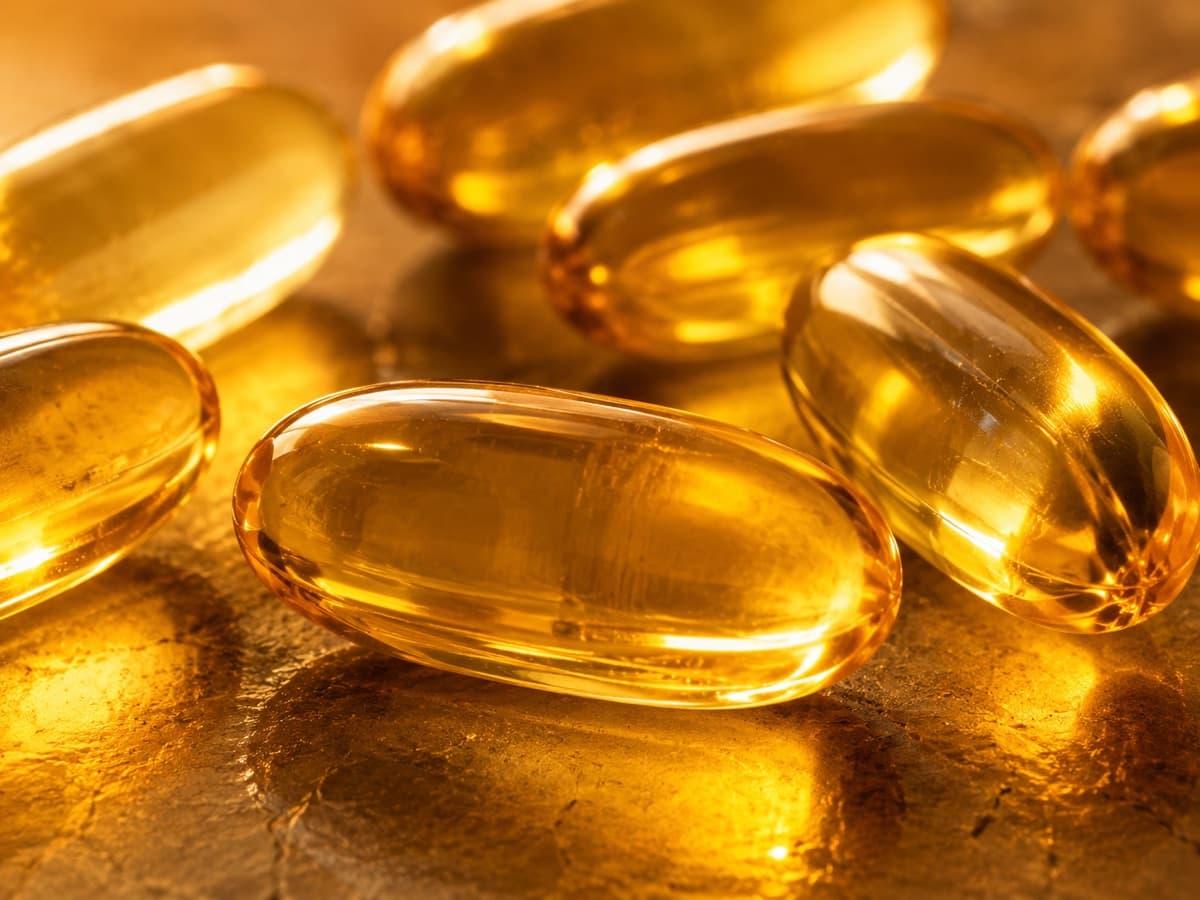
Polyunsaturated fatty acids EPA and DHA, widely studied for anti-inflammatory, cardiovascular, and cognitive benefits. In sport contexts, RCTs suggest benefits for muscle protein synthesis and post-exercise inflammation, though effect sizes are moderate and sample sizes small.
An ingredient with growing research
Buy
(PR)The links below include affiliate links (PR).
Effects reported in research
Reduced chronic inflammation (EPA-driven anti-inflammatory effects)
Increased muscle protein synthesis rates under insulin and amino acid stimulation
Reduced post-exercise soreness and inflammatory markers
Broad cardiovascular and cognitive health benefits
Dosage & timing
- 1–3 g/day of combined EPA+DHA.
- Take with meals to improve absorption.
- Fatty fish (mackerel, sardines, salmon) are effective dietary alternatives.
Cautions
- •May affect blood clotting — consult a doctor if taking anticoagulants (e.g., warfarin).
- •Those with fish allergies can use algae-derived omega-3.
- •High doses may cause nausea or fishy burps.
Similar supplements
5-HTP (5-Hydroxytryptophan)
Confidence: Moderate5-Hydroxytryptophan (from Griffonia simplicifolia seeds)
A direct precursor to serotonin, converting more efficiently than tryptophan. Studied for effects on mood, sleep quality, and appetite regulation.
AHCC (Active Hexose Correlated Compound)
Confidence: ModerateAHCC (alpha-glucan from mushroom mycelium)
A polysaccharide complex extracted from Basidiomycota mushroom mycelium. Multiple clinical studies examine its ability to activate NK cells and macrophages to enhance immune function, particularly in cancer treatment support and infection prevention contexts.
Alpha-Lipoic Acid (ALA)
Confidence: ModerateAlpha-lipoic acid (racemic mixture of R- and S-isomers)
A versatile antioxidant that functions in both water- and fat-soluble environments. Studied for improving insulin sensitivity, enhancing glucose uptake, and regenerating other antioxidants (glutathione, vitamins C and E).
Last checked: