
心理的ストレスがトレーニング回復を妨げる:仕事・人間関係のストレスが筋肉に与える影響
公開日: ・ 更新日:
仕事や人間関係のストレスがひどいと、同じトレーニングをしても回復が悪くなるの?
収録している出典が扱っているのは、心理的ストレスとホルモン・回復の関係ではない。 Stults-Kolehmainen & Sinha(2014)は、心理的ストレスが身体活動量に与える影響を168件から検討したレビューで、前向き研究55件のうち76.4%が、心理的ストレスがその後の身体活動の低下や座位行動の増加を予測すると報告している。 Gordon ら(2018)は、レジスタンストレーニングがうつ症状を減らすかを調べた33件のRCT(1,877名)のメタ分析で、平均効果量0.66(95%CI 0.48〜0.83、P<0.001)だった。 心理的ストレスがホルモン・回復・筋肥大に与える影響を調べた研究を、本記事は収録していない。
生理的ストレスと心理的ストレスの区別:身体は違いを知らない
HPA軸(視床下部-下垂体-副腎軸)はトレーニング(身体的ストレス)と心理的ストレス(締め切り・対人葛藤・経済的不安など)に対して同一の経路でコルチゾールを分泌する。収録している Kraemer ら(2005)はレジスタンス運動に対する急性のホルモン応答を整理したレビューで、コルチゾールを異化ホルモンとして挙げてはいるが、筋タンパク質の分解の促進も合成の阻害も示していない。
ストレスとトレーニングの関係 ─ 収録した出典が扱っている論点
収録している Stults-Kolehmainen & Sinha(2014)が扱っているのは、ストレスが身体活動量に与える影響である。 168件を検討し、そのうち前向き研究55件では76.4%が、心理的ストレスがその後の身体活動の低下や座位行動の増加を予測すると報告していた。客観的な指標(試験期間などの生活上の出来事)を扱った前向き研究7件のうち6件が、ストレスが身体活動に負の影響を与えるとしている。一方で18.2%の前向き研究は、ストレスによって身体活動が増える例も報告している。習慣的に運動している人はストレス下でより運動し、始めたばかりの人は運動が減る傾向がある。 睡眠障害も回復の遅延も、同レビューの抄録は扱っていない。 収録している Gordon ら(2018)が調べたのはレジスタンストレーニングがうつ症状を減らすかであり、逆方向は扱っていない。
ストレス管理の実践法について ─ 検証した出典が無い
トレーニング外のストレス管理を検証した研究を、本記事は1件も収録していない。
高ストレス期のトレーニング調整について ─ 検討した出典が無い
ストレスの高い時期にトレーニングをどう調整するかを検討した研究を、本記事は収録していない。
訂正履歴訂正4回・撤回した原文6件
公開後に撤回・訂正した内容です。本文は現在の知見だけを書いています。何をどう直したかを確かめられるように、経緯をここに残しています。
- 結論で書いていた3点——「心理的ストレスはコルチゾール・炎症性サイトカインを増加させ、テストステロン・成長ホルモンを低下させる」「同じトレーニングをしても回復が遅れ、筋肥大の効率が落ちる」「トレーニング外のストレス管理は筋トレの成果を左右する重要な変数である」——をすべて撤回した。心理的ストレスがホルモンや回復・筋肥大に与える影響を調べた研究を収録していない。あわせて「コルチゾールが筋タンパク質の分解を促進し合成を阻害する」を Kraemer ら(2005)に帰属させていたのも撤回した。同レビューは急性のホルモン応答を整理したもので、どちらも示していない。
撤回した原文2件
公開されていた本文の文字列です(運営者による要約ではありません)。現在の本文に残っていないことは、ビルドのたびに機械で検査しています。過去の公開内容に含まれることは、変更履歴の全体と突き合わせる検査を用意していますが、これは全履歴が必要なため公開ビルドでは自動実行していません。どちらの照合も、また上の表示も、強調の印(アスタリスク2つ)と改行・空白の違いは無視します。1件に複数の記述が含まれる記録もあるため、件数は原文の件数であって撤回した主張の数ではありません。
心理的ストレスはコルチゾール・炎症性サイトカインを増加させ、テストステロン・成長ホルモンを低下させる。同じトレーニングをしても回復が遅れ、筋肥大の効率が落ちることが研究で示されている。トレーニング外のストレス管理は、筋トレの成果を左右する重要な変数
Kraemerら(2005)のレビューでは、コルチゾールが筋タンパク質の分解を促進し合成を阻害することが示されている
- Stults-Kolehmainen & Sinha(2014)について書いていた「慢性的な心理的ストレスが運動への動機低下・睡眠障害・回復の遅延を通じて長期的な身体パフォーマンスと健康を損なう」を撤回した。同レビューが扱っているのはストレスが身体活動量に与える影響である。「受験・転職・育児ストレスの高い時期に筋力向上が鈍化するという観察報告は多い」も、該当する報告を収録していないため撤回した。「メンタルが悪化するとトレーニング成果も低下する双方向性の関係がある」も撤回した。Gordon ら(2018)が調べたのは逆方向である。
撤回した原文2件
公開されていた本文の文字列です(運営者による要約ではありません)。現在の本文に残っていないことは、ビルドのたびに機械で検査しています。過去の公開内容に含まれることは、変更履歴の全体と突き合わせる検査を用意していますが、これは全履歴が必要なため公開ビルドでは自動実行していません。どちらの照合も、また上の表示も、強調の印(アスタリスク2つ)と改行・空白の違いは無視します。1件に複数の記述が含まれる記録もあるため、件数は原文の件数であって撤回した主張の数ではありません。
慢性的な心理的ストレスが運動への動機低下・睡眠障害・回復の遅延を通じて、長期的な身体パフォーマンスと健康を損なうことが示されている。特に「受験・転職・育児ストレスの高い時期」に筋力向上が鈍化するという観察報告は多い
メンタルが悪化するとトレーニング成果も低下する双方向性の関係がある
- ストレス管理として挙げていた4点(マインドフルネス・瞑想/呼吸法/社会的つながり/フォスファチジルセリンやアシュワガンダなどのアダプトゲン)をすべて撤回した。これらを検証した研究を1件も収録していない。
撤回した原文1件
公開されていた本文の文字列です(運営者による要約ではありません)。現在の本文に残っていないことは、ビルドのたびに機械で検査しています。過去の公開内容に含まれることは、変更履歴の全体と突き合わせる検査を用意していますが、これは全履歴が必要なため公開ビルドでは自動実行していません。どちらの照合も、また上の表示も、強調の印(アスタリスク2つ)と改行・空白の違いは無視します。1件に複数の記述が含まれる記録もあるため、件数は原文の件数であって撤回した主張の数ではありません。
①マインドフルネス・瞑想(8〜12週のMBSRプログラムでコルチゾール低下が複数のRCTで確認されている)。②呼吸法(4-7-8呼吸法・腹式呼吸):副交感神経系を活性化し、急性コルチゾール反応を低下させる。③社会的サポートの確保:研究では社会的つながりが回復と健康に保護的に作用することが示されている。④フォスファチジルセリンやアシュワガンダなどのアダプトゲン:コルチゾール反応を生化学的に緩和する補助的手段として使える
- トレーニングの調整として書いていた「ストレスが高い時期にはボリュームを20〜30%削減する」「総ストレス負荷を適切な範囲内に収める合理的な判断である」「無理に高ボリュームを維持するとオーバートレーニング症候群のリスクが著しく高まる」「今月は維持フェーズと割り切り翌月に増量するサイクルが長期的に有効」——をすべて撤回した。この削減幅を検討した研究も、心理的ストレスとオーバートレーニングの関係を調べた研究も、この周期の運用を比べた研究も収録していない。
撤回した原文1件
公開されていた本文の文字列です(運営者による要約ではありません)。現在の本文に残っていないことは、ビルドのたびに機械で検査しています。過去の公開内容に含まれることは、変更履歴の全体と突き合わせる検査を用意していますが、これは全履歴が必要なため公開ビルドでは自動実行していません。どちらの照合も、また上の表示も、強調の印(アスタリスク2つ)と改行・空白の違いは無視します。1件に複数の記述が含まれる記録もあるため、件数は原文の件数であって撤回した主張の数ではありません。
仕事・生活のストレスが特に高い時期(締め切り直前・引越し・受験など)には、トレーニングボリュームを20〜30%削減することが推奨される。これは「弱腰」ではなく、総ストレス負荷を適切な範囲内に収める合理的な判断。ストレスが高い中で無理に高ボリュームを維持すると、オーバートレーニング症候群(OTS)のリスクが著しく高まる。「今月は維持フェーズ」と割り切り、翌月のストレスが下がった時期に増量するサイクルが長期的に有効
関連するサプリ
PR
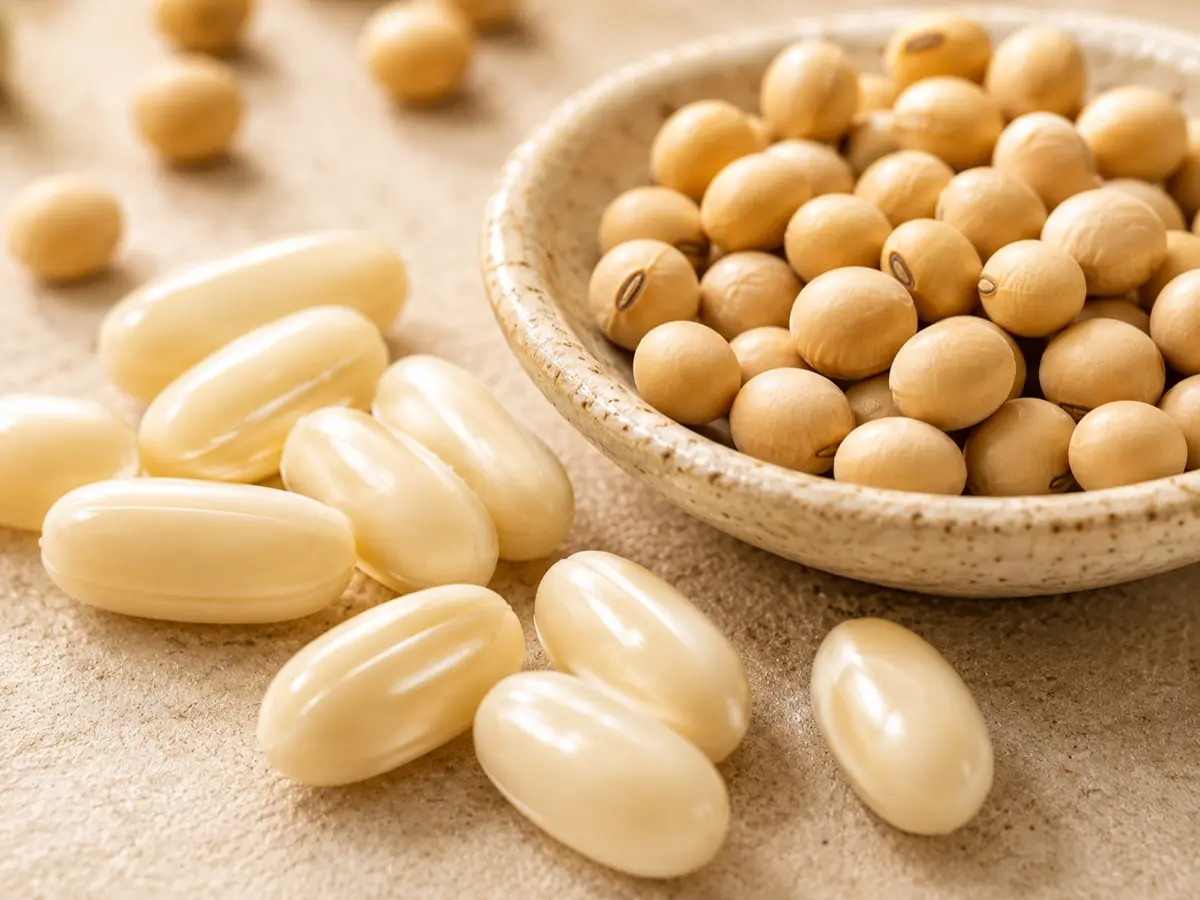 ホスファチジルセリン
疲労困憊までの時間が延びた。 活動的な男性14名に大豆由来のホスファチジルセリン750mgを1日1回・10日間摂取させ、45・55・65%VO2maxで各10分の自転車運動を行った後、85%VO2maxで疲労困憊まで漕がせる試験を2回実施した。ホスファチジルセリンを摂取した条件では85%VO2maxでの疲労困憊までの時間が7分51秒から9分51秒へ延び(p=0.001)、プラセボでは変化しなかった(群間 p=0.005)(Kingsley 2006)。著者らは「ホスファチジルセリン補給で運動能力の改善を報告した最初の研究」と述べており、単一の小規模試験である。
以下のリンクはアフィリエイトリンク(PR)を含みます。
関連する研究
出典
公開日: / 更新日:

次に読む
- 解説
アシュワガンダについて、収録した出典が言える範囲
収録した3件が報告しているのは次のとおりである。Chandrasekhar ら(2012)では、ストレス評価尺度のスコアが60日目にプラセボ群より有意に低下し(P<0.0001)、血清コルチゾールも有意に低下した(P=0.0006)。 Wankhede ら(2015)では、8週間で1RM・筋サイズ・テストステロンの増加がプラセボ群を上回り、体脂肪率の低下も大きかった。 Langade ら(2019)では、10週間で入眠潜時・睡眠効率・睡眠の質・PSQI・不安(HAM-A)が有意に改善した。
吉崎 槙吾
- 研究 vs 勘
「ストレスで腹に脂肪がつく」は本当か? コルチゾールと体脂肪 通説 vs 研究
「ストレスが溜まると腹回りに脂肪がつく」「コルチゾールを下げないと痩せない」——こうした主張はダイエット界で広く語られる。ストレスホルモンと体脂肪の関係を研究から解析する。
吉崎 槙吾
- 研究 vs 勘
「ストレスで筋肉が溶ける」は本当か? コルチゾール通説 vs 研究
「コルチゾールが出ると筋肉が分解される」——この知識は広まっているが、「では筋トレ中のコルチゾール上昇も問題か?」「仕事のストレスで筋肉は溶けるのか?」という疑問になると答えがぼやける。コルチゾールの急性上昇と慢性高値では、筋肥大への影響がまったく異なる。
吉崎 槙吾