

Does Stress Really Cause Belly Fat? Cortisol and Body Fat vs. Research
Published:
Written by: Shingo YoshizakiReviewed by: Tomonobu Someda
"Stress causes belly fat" and "you can't lose weight until you lower cortisol" are widespread claims in diet culture. Let's examine what the research actually shows about stress hormones and body fat.
Let the data settle it.
Does chronic stress and elevated cortisol increase abdominal (visceral) fat?
What's said
ホルモンバランス系ダイエット本・ウェルネス系コーチ
Stress raises cortisol, which specifically drives fat storage to the abdomen as visceral fat. That's why busy, stressed people gain belly weight.
What research says
- Björntorp (2001) and colleagues showed associations between HPA axis dysregulation and visceral fat accumulation — the biological mechanism is plausible.
- However, whether a modest cortisol elevation alone causes meaningful fat gain is debated; the effect may largely be indirect, via stress-driven eating behavior and sleep disruption.
- A causal link is biologically supported, but effect size is highly individual.
Research supports a link between chronic stress and abdominal fat, but indirect effects (stress eating, sleep disruption) may be more significant than direct cortisol action.
Do cortisol-lowering supplements like ashwagandha reduce body fat?
What's said
サプリメントブランド・アダプトゲン推奨インフルエンサー
Lower cortisol with ashwagandha and fat will naturally melt away. Controlling stress hormones is the real shortcut to fat loss.
What research says
- Choudhary et al.
- (2017) RCT reported reduced cortisol and modest body weight/BMI reduction with ashwagandha, but the study was limited to overweight adults with chronic stress.
- Effect sizes were small (~1–2 kg) and improvements in appetite and sleep scores suggest the weight change may have been mediated through improved behavior rather than a direct 'cortisol-burns-fat' pathway.
- Evidence for cortisol-lowering supplements as fat-loss agents is weak.
Some modest effect reported, but effect size is small. 'Fat naturally melts away' is unsupported. Addressing root-cause stress and sleep quality matters more.
Related supplements
PR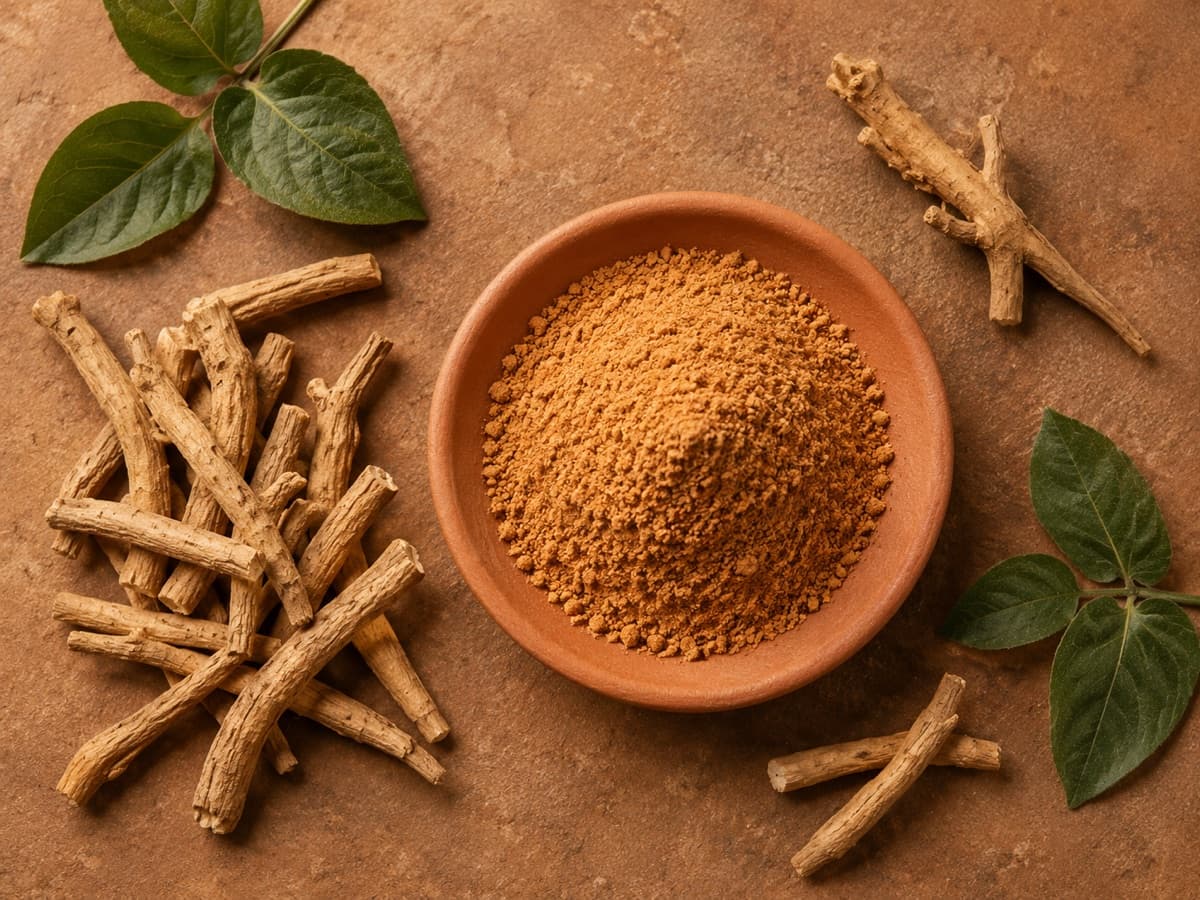 AshwagandhaView in official store
Reduction in cortisol (significant decrease confirmed in studies)
The links below include affiliate links (PR).
Related research
Sources
Published:

Written by
Shingo YoshizakiSoftware Engineer / Research Writer at BODYDATA
An engineer's job is verification. I read the source before I trust gym lore — same as code.
View profile →
Reviewed by: Tomonobu Someda
Content reviewed from the perspective of coaching practice and supplement-industry experience
Read next
- Research vs Bro-science
Does Stress Really Melt Your Muscles? The Cortisol Myth vs. Research
"Cortisol breaks down muscle" — widely known, but does that mean training-induced cortisol is harmful? Does work stress dissolve your gains? The impact of acute vs. chronic cortisol elevation on hypertrophy is very different.
Shingo Yoshizaki
- Research vs Bro-science
Does Poor Sleep Actually Make You Fat? Sleep and Weight Management vs. Research
"Sleep deprivation makes you gain weight" is commonly repeated — but how solid is the causal evidence? Let's examine what research shows about the effects of poor sleep on appetite, metabolism, and hormones.
Shingo Yoshizaki
- Research vs Bro-science
Does Vitamin D Deficiency Really Make You Fat? Vitamin D and Obesity vs. Research
The claim that 'modern vitamin D deficiency is a hidden cause of obesity' has spread widely. Let's examine whether the relationship between vitamin D and body fat is truly causal or merely correlational.
Shingo Yoshizaki