
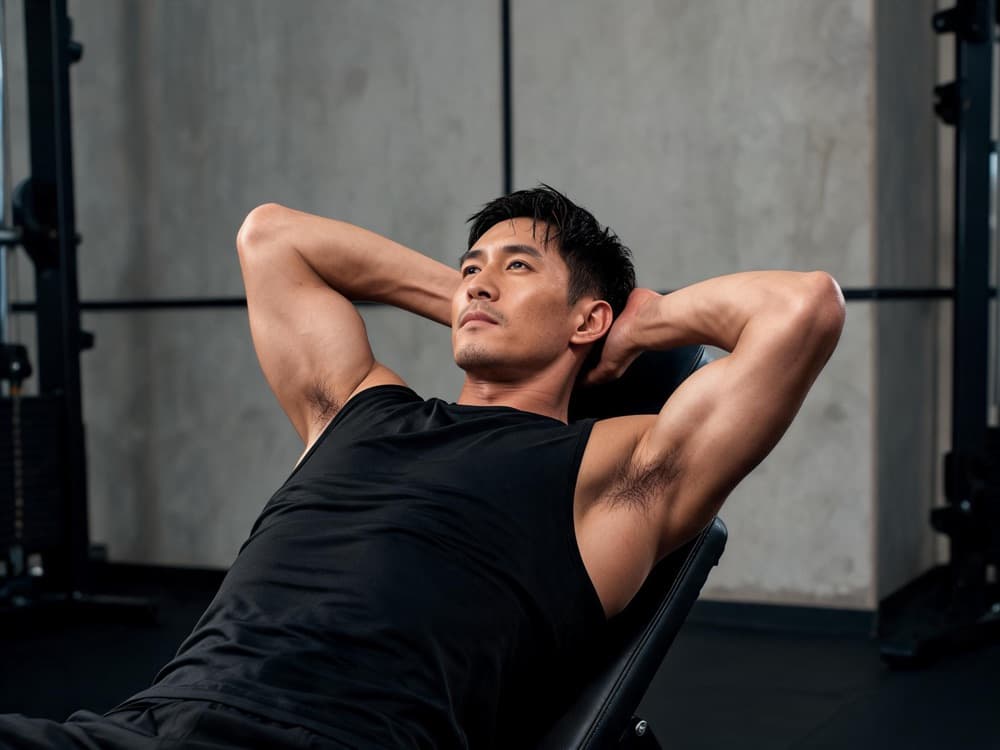
クールダウンのストレッチはDOMSを軽減する
言われていること
スポーツ指導の慣習、一般的な通説
運動後にしっかりストレッチをすれば次の日の筋肉痛が軽くなる。部活でも必ずクールダウンストレッチをやるのはそのため。
研究が示すこと
- 収録している Herbert ら(2011)のコクランレビューは12件の研究を統合したものである(うち1件は2,377名のフィールド試験、残り11件はストレッチ条件が10〜30名の小規模試験)。
- 運動前のストレッチは翌日の筋肉痛を100点尺度で平均0.52点下げ(95%CI −11.30〜10.26、3試験)、運動後のストレッチは平均1.04点下げた(95%CI −6.88〜4.79、4試験)。いずれも信頼区間が0をまたいでいる。 運動の前後ともに行った1件の大規模試験では、1週間のピークの筋肉痛が平均3.80点下がった(95%CI −5.17〜−2.43)が、著者らはこれを統計的には有意でも「非常に小さい」と述べている。 全試験が中〜高のバイアスリスクにさらされており、エビデンスの質は低〜中と評価されている。
- 著者らの結論は、運動の前・後・前後のいずれでも、健常な成人において臨床的に重要な筋肉痛の軽減は生じない、というものである。
収録している Herbert ら(2011)のコクランレビュー(12試験)では、運動後のストレッチが翌日の筋肉痛を100点尺度で平均1.04点下げたが信頼区間は0をまたぐ。著者らは、前・後・前後のいずれでも臨床的に重要な軽減は生じないと結論している。
ストレッチは怪我の予防に効果がある
言われていること
学校・部活の指導、スポーツ医療の旧来の常識
練習前にストレッチすれば怪我しにくくなる。特に肉離れ・ねんざの予防に必須。
研究が示すこと
- Lauersen ら(2014)のメタ分析(25件のRCT・計26,610名)では、筋力トレーニングが傷害を約1/3未満に減らした一方、ストレッチ単独では有意な予防効果は認められていない。 収録している Thacker ら(2004)の系統的レビュー(361件を選別して6件を統合)でも、ストレッチは総傷害の減少と有意に関連していなかった(オッズ比0.93、95%CI 0.78〜1.11)。 著者らは、傷害予防のために運動の前後で日常的にストレッチを行うことを推奨する根拠も、やめさせる根拠も十分に無いと結論している。
収録している Lauersen ら(2014)のメタ分析(25件のRCT・26,610名)では、ストレッチ単独に有意な予防効果は認められていない。 同メタ分析で傷害を約1/3未満に減らしたのは筋力トレーニングである。Thacker ら(2004)も、ストレッチは総傷害の減少と有意に関連しなかった(オッズ比0.93)としたうえで、推奨する根拠もやめさせる根拠も十分に無いと結論している。
訂正履歴訂正1回・撤回した原文9件
公開後に撤回・訂正した内容です。本文は現在の知見だけを書いています。何をどう直したかを確かめられるように、経緯をここに残しています。
- 出典を照合した結果、以前この記事が公開していた次の記述を撤回した。
①「Lauersenら(2014)のメタ分析および Herbert ら(2011)のコクランレビューでは、運動前後の静的ストレッチがDOMSを有意に軽減するというエビデンスは弱いという結論が出ている」——Lauersen ら(2014)が扱ったのはスポーツ傷害の予防であって、DOMSではない。帰属が誤りだった。Herbert ら(2011)は本記事の出典に収録しており、「収録していない」と書いていた時期があったのも誤りである。②「複数の研究を統合すると、ストレッチによるDOMS軽減効果は統計的には有意でないか、あっても臨床的に意味のある大きさではない(<1ポイント/10点スケール)という結果が多い」——尺度が誤っている。Herbert ら(2011)が用いているのは100点尺度である。
③「他の手段(冷水浴・フォームローリング・十分な睡眠・栄養)の方が有効」、④「ただし柔軟性向上・関節可動域の維持という目的ではストレッチは有効なので、目的を正しく設定することが重要」、⑤「一方、慢性的な可動域の向上や関節の健康維持には中〜長期のストレッチプログラムが有効であるという別の研究がある」、⑥「ただし長期的な可動域の維持・向上には有効であり、特定のスポーツや動作パターンに必要な柔軟性を確保する目的では継続する価値がある」、⑦「怪我予防の手段としては、ウォームアップ(動的なストレッチ・軽い有酸素)の方がより支持されている」——冷水浴・フォームローリング・睡眠・栄養との比較も、可動域や関節の健康を追った研究も、ウォームアップとの比較も、本記事は収録していない。
⑧「Lauersenら(2014)のメタ分析および Thacker ら(2004)のメタ分析では、プレ静的ストレッチが筋・腱・靭帯の怪我全体を有意に減少させるというエビデンスは不足している」——撤回したのは「筋・腱・靭帯の怪我全体」という範囲の書き方で、Thacker ら(2004)が報告しているのは総傷害(オッズ比0.93、95%CI 0.78〜1.11)である。
なお、この記事は一時「Thacker ら(2004)のメタ分析は本記事に収録していないため名指しを外した」と書いていたが、これは誤りだった。同レビューは本記事の出典に収録している(Med Sci Sports Exerc 2004;36:371-8)。名指しと結果を本文に戻した。⑨「特に急性スポーツ怪我(肉離れ・ねんざ)の予防効果は限定的とするRCTが多い」——それを個別に扱った試験を収録していない。
撤回した原文9件
公開されていた本文の文字列です(運営者による要約ではありません)。現在の本文に残っていないことは、ビルドのたびに機械で検査しています。過去の公開内容に含まれることは、変更履歴の全体と突き合わせる検査を用意していますが、これは全履歴が必要なため公開ビルドでは自動実行していません。どちらの照合も、また上の表示も、強調の印(アスタリスク2つ)と改行・空白の違いは無視します。1件に複数の記述が含まれる記録もあるため、件数は原文の件数であって撤回した主張の数ではありません。
Lauersenら(2014)のメタ分析および Herbert ら(2011)のコクランレビューでは、運動前後の静的ストレッチがDOMSを有意に軽減するというエビデンスは弱いという結論が出ている。
複数の研究を統合すると、ストレッチによるDOMS軽減効果は統計的には有意でないか、あっても臨床的に意味のある大きさではない(<1ポイント/10点スケール)という結果が多い。
他の手段(冷水浴・フォームローリング・十分な睡眠・栄養)の方が有効。
ただし柔軟性向上・関節可動域の維持という目的ではストレッチは有効なので、目的を正しく設定することが重要。
一方、慢性的な可動域の向上や関節の健康維持には中〜長期のストレッチプログラムが有効であるという別の研究がある。
ただし長期的な可動域の維持・向上には有効であり、特定のスポーツや動作パターンに必要な柔軟性を確保する目的では継続する価値がある。
怪我予防の手段としては、ウォームアップ(動的なストレッチ・軽い有酸素)の方がより支持されている。
Lauersenら(2014)のメタ分析および Thacker ら(2004)のメタ分析では、プレ静的ストレッチが筋・腱・靭帯の怪我全体を有意に減少させるというエビデンスは不足している。
特に急性スポーツ怪我(肉離れ・ねんざ)の予防効果は限定的とするRCTが多い。
関連するサプリ
PR
以下のリンクはアフィリエイトリンク(PR)を含みます。
関連する研究
出典
公開日: / 更新日:

次に読む
- 研究 vs 勘
アクティブリカバリー vs 完全休養:回復を早めるのはどちらか? 研究で比較する
「オフ日に軽く動いた方が回復が早い」と言う人もいれば、「休みの日は完全に休むのが一番」という声もある。アクティブリカバリー(軽い運動による積極的回復)と完全休養(何もしない)を、回復指標の観点から比較する。
吉崎 槙吾
- 解説
冷水浴(アイスバス)について、収録した出典が言える範囲
収録している Bleakley ら(2012)のコクランレビューが示すのは、受動的な介入(安静または無介入)と比べたときの筋肉痛の軽減である。 運動後24時間(SMD −0.55、95%CI −0.84〜−0.27、10試験)、48時間(−0.66、−0.97〜−0.35、8試験)、72時間(−0.93、−1.36〜−0.51、4試験)、96時間(−0.58、−1.00〜−0.16、5試験)のいずれでも統計的に有意だった。ただし結果は異質性が高い。 Roberts ら(2015)は、12週間のトレーニング後に筋力と筋量の増加がアクティブリカバリー群のほうが冷水浴群より大きかったと報告している(P<0.05)。
吉崎 槙吾
- 研究 vs 勘
「コンプレッションウェアで回復が早まる」は本当か? スポーツ用タイツ・スリーブの効果を検証
コンプレッション(加圧)タイツ・スリーブ・ソックスは多くのアスリートが運動後の回復用に使用している。「血流が改善してDOMSが減る」「筋肉の振動を抑えてダメージが軽くなる」という説があるが、研究的な根拠はどこまであるのか。
吉崎 槙吾