

Keto vs. Carb Cycling: Which Is Better for Fat Loss and Muscle Preservation?
Published:
Written by: Shingo YoshizakiReviewed by: Tomonobu Someda
'Keto or carb cycling?' is one of the most common diet strategy questions in body composition management. Keto claims 'constant fat burning'; carb cycling claims 'strategic carbohydrate use protects muscle.' This article uses research to compare their actual performance.
Let the data settle it.
Ketogenic diets burn more fat than carb cycling
What's said
ケトジェニック支持者の減量優位性の主張
'Staying in ketosis burns fat around the clock. Carb cycling disrupts fat burning on carb days, making it inferior for fat loss.'
What research says
- Low-fat-vs-low-carb-meta, which compares weight loss between low-fat and low-carbohydrate diets, shows no significant difference in weight loss at 12+ months, with adherence identified as the strongest predictor.
- Direct RCT comparisons of carb cycling vs. strict ketogenic are limited, but carbohydrate-periodization-meta shows strategically periodized carbohydrate approaches produce similar fat loss to ketogenic diets while delivering superior high-intensity training performance.
- Evidence that keto is categorically superior for fat loss is weak.
Keto's apparent fat-loss advantage likely stems from short-to-medium-term (3–6 months) appetite suppression and automatic caloric restriction rather than any metabolic superiority. Long-term, the more adherent approach wins. Treating keto and carb cycling as roughly equivalent for pure fat loss is the most defensible position.
Carb cycling preserves muscle better than keto
What's said
ボディビル・フィジーク競技の栄養戦略
'Carb cycling supplies insulin and glycogen on training days, protecting muscle from breakdown. It preserves muscle better than keto — no question.'
What research says
- Carbohydrate-periodization-meta shows that placing carbohydrates on high-intensity training days while restricting them on rest days (carbohydrate periodization) effectively supports lean mass retention alongside training performance.
- Keto's impact on lean mass depends heavily on adaptation status and protein intake — protein-intake-muscle-meta shows adequate protein can protect muscle even in low-insulin states.
- However, carb cycling's glycogen replenishment provides faster post-high-intensity-session recovery than keto, an advantage that can translate to real lean mass differences for those training at high frequency (3–5 sessions/week).
The claim that carb cycling better preserves muscle has reasonable support, particularly for high-intensity, high-frequency training (3–5 sessions/week) where glycogen recovery speed differences can translate into meaningful lean mass divergence. However, keto with well-managed protein intake can also protect muscle adequately.
A ketogenic diet is easier to stick to than carb cycling
What's said
ケトジェニック実践者の継続性の主張
'Carb cycling is complex — you need different meal plans for training days and rest days. Keto is simpler (just keep carbs at 20–50 g always), making it easier to sustain.'
What research says
- Low-fat-vs-low-carb-meta shows substantial individual variation in adherence, making any generalization that one approach is more sustainable than the other unreliable.
- Keto's 'simple rules' are real, but maintaining strict carbohydrate restriction in Japan's food environment (rice-heavy convenience foods, social dining norms) is genuinely challenging.
- Carb cycling's day-type distinction (training vs rest) allows more flexibility at restaurants and social occasions.
- Research also shows that 'strictness of restriction' matters less than 'reduced dietary stress' for adherence (see intermittent-fasting-lean-mass-meta) — which approach is more sustainable is entirely individual.
Which is more sustainable is entirely individual. 'Simpler rules = easier to sustain' doesn't necessarily hold — real-world food environment matters enormously. Choosing whichever you can sustain longer is what matters most, and that answer differs by person.
Related supplements
PR MCT Oil (Medium-Chain Triglycerides)View in official store
More rapid absorption and conversion to ketone bodies compared with long-chain fats, potentially supporting fast-acting energy availability
 ElectrolytesView in official store
Reported to maintain performance better than water alone in exercise over 60 minutes
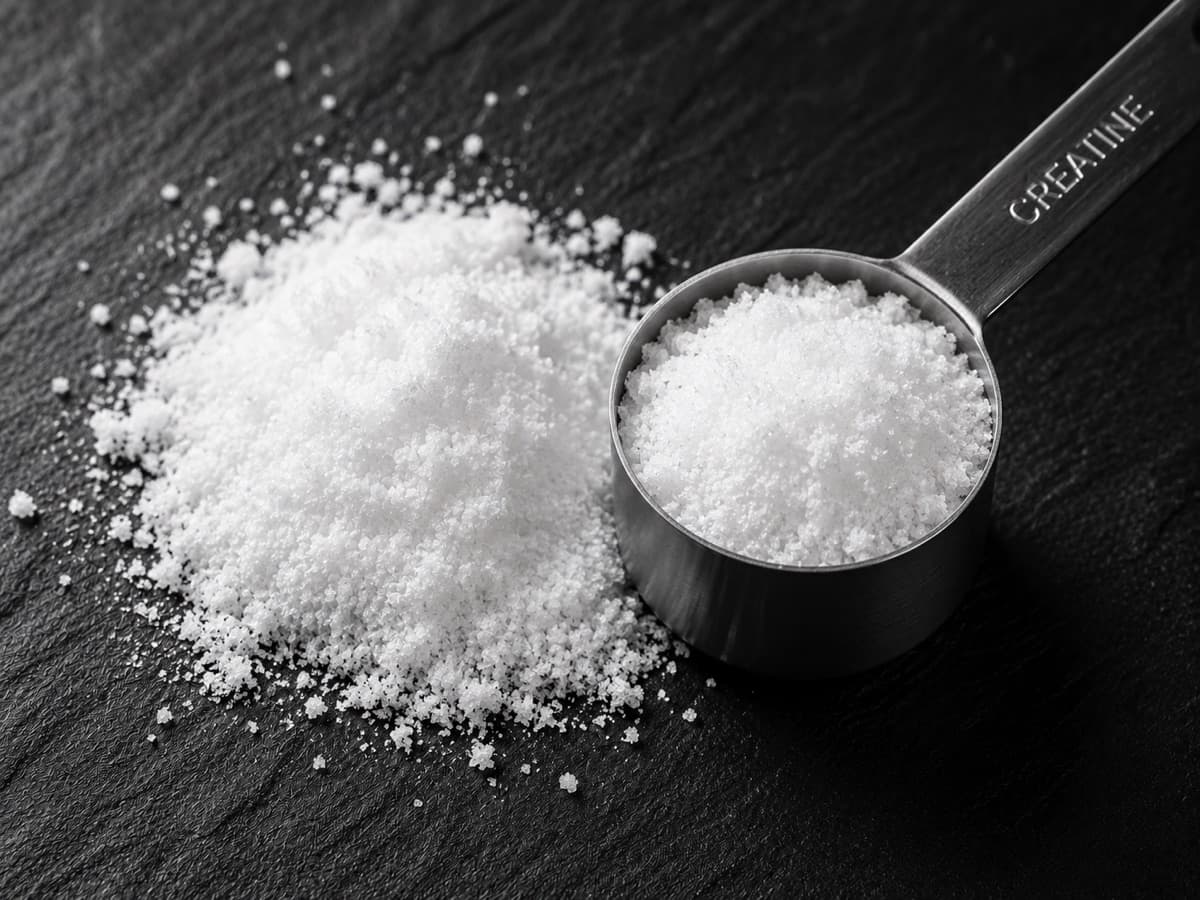 CreatineView in official store
Improved high-intensity, repeated-effort performance
The links below include affiliate links (PR).
Related research
- Effect of low-fat diet interventions versus other diet interventions on long-term weight change in adults: a systematic review and meta-analysis2015
- Carbohydrate periodization and its effects on training adaptation and body composition: a systematic review2011
- Efficacy of ketogenic diet on body composition during resistance training in trained men: a randomized controlled trial2018
- Protein supplementation augments resistance-training-induced gains in muscle mass and strength (meta-analysis)2018
- Effects of intermittent fasting on body composition and clinical health markers in humans2015
Sources
Published:

Written by
Shingo YoshizakiSoftware Engineer / Research Writer at BODYDATA
An engineer's job is verification. I read the source before I trust gym lore — same as code.
View profile →
Reviewed by: Tomonobu Someda
Content reviewed from the perspective of coaching practice and supplement-industry experience
Read next
- Explainer
What Is the Ketogenic Diet? Ketosis, the Science, and What You Need to Know as a Beginner
The ketogenic diet restricts carbohydrates to 20–50 g/day, shifting the body's primary fuel source from carbohydrates to fat (ketosis). In ketosis, the liver converts fatty acids into ketone bodies, which fuel the brain, muscles, and other tissues. Ketogenic-diet-body-composition-rct confirms it is effective for reducing body fat, though long-term adherence and effects on muscle mass vary considerably between individuals.
Shingo Yoshizaki
- Research vs Bro-science
Does Ketogenic Dieting Destroy Your Muscle? The Zero-Carb Myth vs. Research
"Keto destroys muscle" vs. "keto lets you lose fat while keeping muscle" — opposite claims circulate everywhere. Let's separate the research on muscle retention from the evidence on training performance.
Shingo Yoshizaki
- Explainer
How Long Does Keto Adaptation Take? The Process of Becoming Fat-Adapted
Keto adaptation follows a staged process: basic adaptation (keto flu resolution, stable energy) completes within 2–4 weeks; maximum fat oxidation capacity and exercise performance optimization takes 4–12 weeks. Entering ketosis (blood ketones ≥ 0.5 mmol/L) occurs within 2–3 days of carbohydrate restriction — but ketosis entry and 'full keto adaptation' are not the same thing. Signs of advancing adaptation include stable energy levels, recovering exercise performance, reduced hunger, and stabilizing ketone test strip readings.
Shingo Yoshizaki