
Can a Deload Week Break Through a Strength Plateau? The Evidence Behind Strategic Recovery Weeks
Published:
Written by: Shingo YoshizakiReviewed by: Tomonobu Someda
It's commonly recommended to take a 'deload week' — deliberately reducing training intensity and volume for one week every 4–6 weeks. Many lifters report hitting PRs the week after, but how well does science support the practice? We also look at the counter-argument.
Let the data settle it.
Regular deload weeks are necessary for continued strength progress
What's said
多くのトレーニングプログラム、パワーリフティングコーチ
Without a light week every 4–6 weeks, you'll overtrain and stop making progress. Deloads are mandatory for pros and general trainees alike.
What research says
- The overreaching/overtraining review in this database shows that accumulated fatigue masks true strength capacity — perceived and expressed strength fall below actual ability.
- Removing fatigue enables supercompensation, temporarily lifting capacity above baseline.
- However, specific prescriptions like 'one week every 4–6 weeks' lack robust RCT support.
- The need varies greatly by individual training volume, intensity, and recovery capacity.
Performance recovery from deloading is real. Rather than a 'everyone needs a deload every X weeks' prescription, a more practical approach is to deload reactively when signs of overreaching appear: persistent fatigue, performance drop-off, or declining sleep quality.
Active deloads (light training) are more effective than complete rest
What's said
「1週間完全オフ」を推奨するコーチ・トレーナー
During a deload week, complete rest is best. The body needs total downtime to recover properly.
What research says
- Research shows detraining (loss of strength and muscle) can begin within 1–2 weeks of complete rest (Colquhoun et al., 2018).
- Especially in advanced trainees, 2 weeks of no training can produce measurable strength decrements.
- An 'active deload' — reducing volume to 50–60% while maintaining intensity at or near 70% of 1RM — preserves strength and muscle mass while dissipating accumulated fatigue.
Active deloads — cutting volume in half while maintaining moderate intensity — outperform complete rest for preserving strength and muscle during recovery. A practical rule: half your usual sets at roughly the same or slightly lighter weight.
Related supplements
PR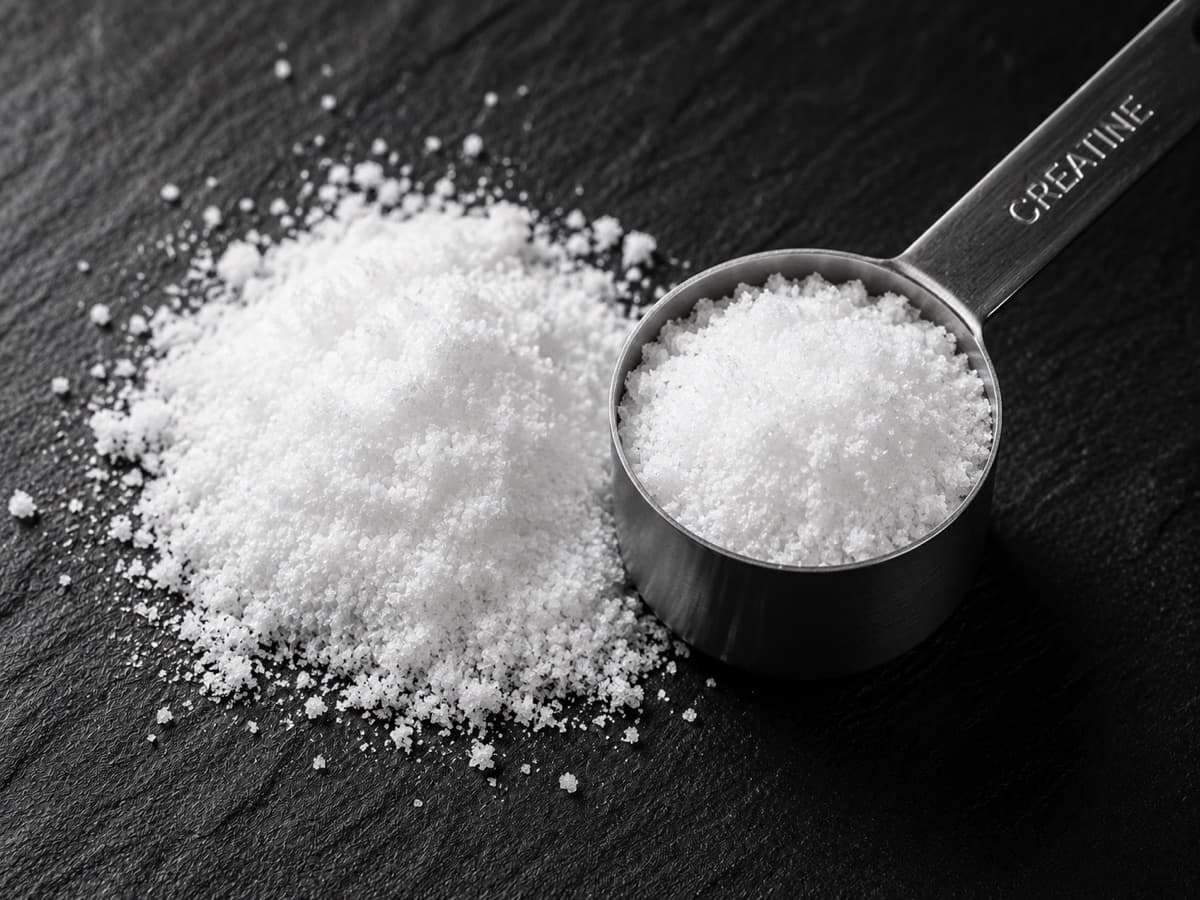 CreatineView in official store
Improved high-intensity, repeated-effort performance
 MagnesiumView in official store
Supports sleep quality and ease of falling asleep when correcting deficiency (confirmed in elderly)
The links below include affiliate links (PR).
Related research
- Overreaching and overtraining syndrome: definition, diagnosis, and recovery — a narrative review2013
- A review of resistance training-induced changes in skeletal muscle protein synthesis and their contribution to hypertrophy2015
- Effects of resistance training on sleep quality and subjective fatigue: a randomized controlled trial2018
Sources
Published:

Written by
Shingo YoshizakiSoftware Engineer / Research Writer at BODYDATA
An engineer's job is verification. I read the source before I trust gym lore — same as code.
View profile →
Reviewed by: Tomonobu Someda
Content reviewed from the perspective of coaching practice and supplement-industry experience
Read next
- Explainer
Overreaching vs Overtraining: Understanding Intentional Fatigue Accumulation and Its Risks
Overreaching is a temporary state of excess load that produces adaptation once recovered; overtraining syndrome (OTS) is a pathological condition requiring prolonged recovery. Intentional functional overreaching is a legitimate peaking strategy for advanced athletes, but monitoring to prevent progression to OTS is essential.
Shingo Yoshizaki
- Explainer
How to Detect and Address Overtraining Syndrome: Warning Signs and Recovery Strategies
Overtraining syndrome (OTS) is a prolonged state of performance decline, mood disturbance, and hormonal imbalance caused by excessive training with insufficient recovery. Distinguishing it from the earlier, reversible 'overreaching' stage is critical — full recovery from true OTS can take weeks to months.
Shingo Yoshizaki
- Research vs Bro-science
Do You Really Need a Lifting Belt? The 'No Belt = Injury' Claim vs Research
You'll often hear that 'a belt is a lifeline — squatting or deadlifting without one is dangerous.' But you'll just as often hear the counter: 'belts weaken your core' or 'you don't need one.' Let's examine the main claims around lifting belts against the research evidence.
Shingo Yoshizaki