
Glucosamine
A precursor to glycosaminoglycans that make up joint cartilage. Studied for reducing joint pain and improving function in osteoarthritis (OA), but results are inconsistent — moderate evidence overall.
An ingredient with growing research
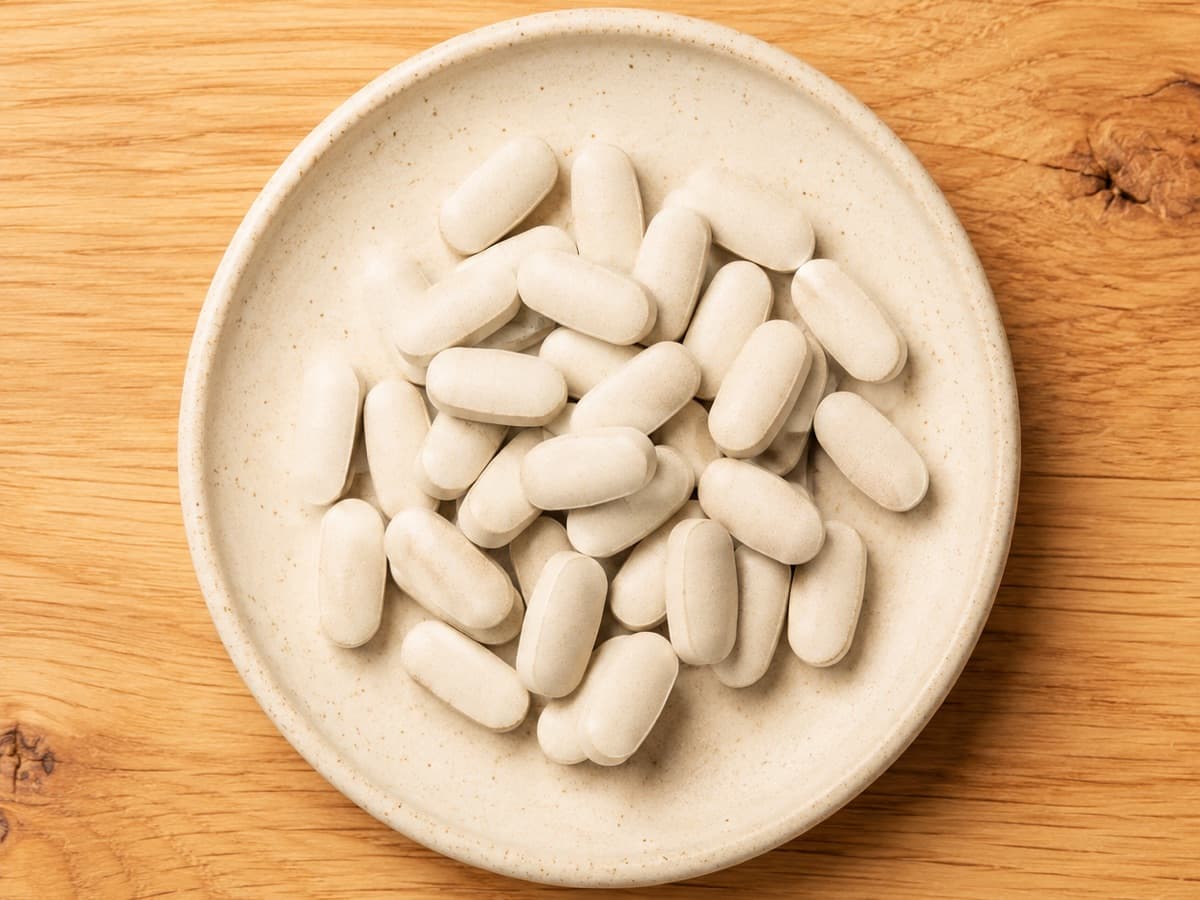
Buy
(PR)The links below include affiliate links (PR).
Effects reported in research
Evidence for reducing joint pain in osteoarthritis (especially knee OA)
May support long-term joint structure maintenance via cartilage metabolism
Some research suggests additive effects with chondroitin
Dosage & timing
- 1,500 mg/day (glucosamine sulfate).
- Allow 6–12 weeks of consistent use before evaluating effects.
Cautions
- •Products from shellfish sources — caution for shellfish allergy (plant/fermentation-derived options exist).
- •Diabetics should monitor insulin sensitivity.
Supporting research
Glucosamine and Chondroitin for Joint Pain and Cartilage Protection: Meta-Analysis Including the GAIT Trial
BMJ, 2010
A network meta-analysis evaluating glucosamine and chondroitin (alone and combined) for pain and function in knee and hip osteoarthritis. Including the GAIT trial (n=1583) across 10 RCTs, no statistically significant difference from placebo was found overall. However, a subgroup with severe OA showed significant pain reduction with combination therapy. Separate studies suggest possible long-term cartilage protection. Safety profile is favorable.
Effects of collagen peptide supplementation on joint pain, skin elasticity, and cartilage protection: a randomized controlled trial
American Journal of Clinical Nutrition, 2017
An RCT in 48 young athletes consuming 15g of collagen peptides (with vitamin C) one hour before exercise, examining effects on tendon/ligament synthesis markers and circulatory response. The collagen group showed significant improvements in collagen content and mechanical properties in a tendon tissue engineering model. Elevated serum glycine, proline, and hydroxyproline were confirmed. Co-ingestion with vitamin C was shown to be important for maximizing collagen synthesis. Joint pain reduction is also supported by a separate meta-analysis demonstrating effects on knee joint pain (Zdzieblik et al. 2017).
Similar supplements
Chondroitin
Confidence: ModerateChondroitin sulfate (bovine, shark cartilage, etc.)
A major structural component of joint cartilage and connective tissue. Widely used with glucosamine for osteoarthritis joint pain and function. Involved in joint water retention and elasticity.
Collagen (Hydrolyzed Collagen)
Confidence: ModerateHydrolyzed Collagen Peptides (Type I/II/III)
A supplement providing hydrolyzed collagen peptides — the primary structural protein in tendons, ligaments, cartilage, and skin. RCTs suggest that co-ingestion with vitamin C may stimulate collagen synthesis in tendons and ligaments. Direct effects on muscle hypertrophy are limited, but research supports its role in joint health maintenance and injury prevention.
Collagen Peptides
Confidence: ModerateHydrolyzed collagen (collagen peptides)
Low-molecular-weight hydrolyzed collagen. In an RCT of young athletes, taking 15 g of collagen peptides (with vitamin C) an hour before exercise was reported to improve tendon collagen-synthesis markers. Other trials and meta-analyses report reduced knee joint pain and benefits for skin elasticity and hydration. Co-ingesting vitamin C is considered important for synthesis.
Last checked: