
Collagen Peptides
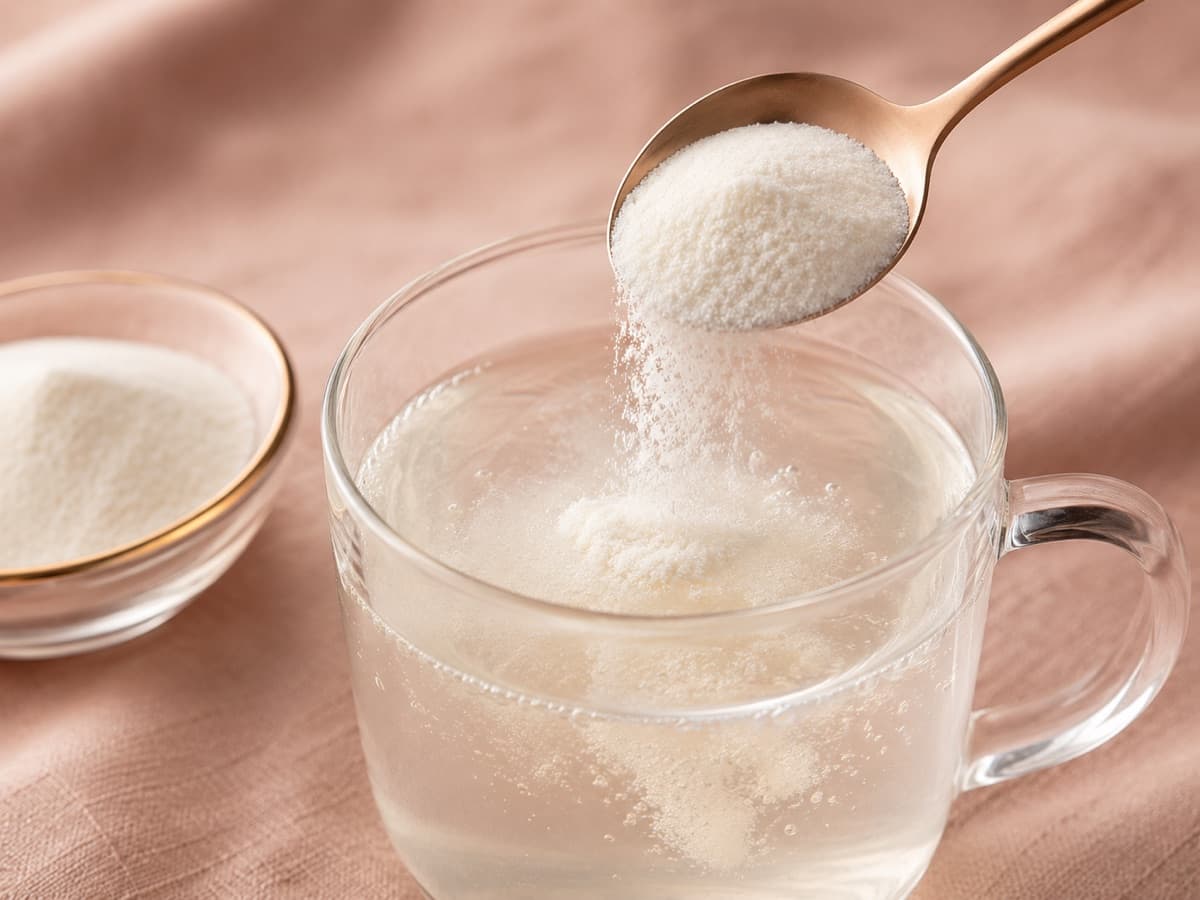
Low-molecular-weight hydrolyzed collagen. In an RCT of young athletes, taking 15 g of collagen peptides (with vitamin C) an hour before exercise was reported to improve tendon collagen-synthesis markers. Other trials and meta-analyses report reduced knee joint pain and benefits for skin elasticity and hydration. Co-ingesting vitamin C is considered important for synthesis.
An ingredient with growing research
Buy
(PR)The links below include affiliate links (PR).
Effects reported in research
Reported to improve tendon/ligament collagen-synthesis markers when taken before exercise with vitamin C
Knee joint pain reduction shown in meta-analyses
Skin elasticity, hydration, and wrinkle improvements reported across RCTs (8–12 weeks)
Dosage & timing
- Studies commonly use 10–15 g/day.
- For tendons/ligaments, taking it about an hour before exercise alongside vitamin C (~50 mg+) is reported to enhance synthesis.
- For skin, 8–12 weeks of consistent use is the typical timeframe.
Cautions
- •Serious side effects are rarely reported, though mild digestive symptoms (bloating) can occur.
- •Mind allergies to the source (fish, bovine, porcine).
- •Pregnant or breastfeeding people and those with medical conditions should consult a doctor.
- •This site is for educational reference only.
Supporting research
Similar supplements
Collagen (Hydrolyzed Collagen)
Confidence: ModerateHydrolyzed Collagen Peptides (Type I/II/III)
A supplement providing hydrolyzed collagen peptides — the primary structural protein in tendons, ligaments, cartilage, and skin. RCTs suggest that co-ingestion with vitamin C may stimulate collagen synthesis in tendons and ligaments. Direct effects on muscle hypertrophy are limited, but research supports its role in joint health maintenance and injury prevention.
Chondroitin
Confidence: ModerateChondroitin sulfate (bovine, shark cartilage, etc.)
A major structural component of joint cartilage and connective tissue. Widely used with glucosamine for osteoarthritis joint pain and function. Involved in joint water retention and elasticity.
Glucosamine
Confidence: ModerateGlucosamine sulfate (or hydrochloride)
A precursor to glycosaminoglycans that make up joint cartilage. Studied for reducing joint pain and improving function in osteoarthritis (OA), but results are inconsistent — moderate evidence overall.
Last checked: