
Carnosine
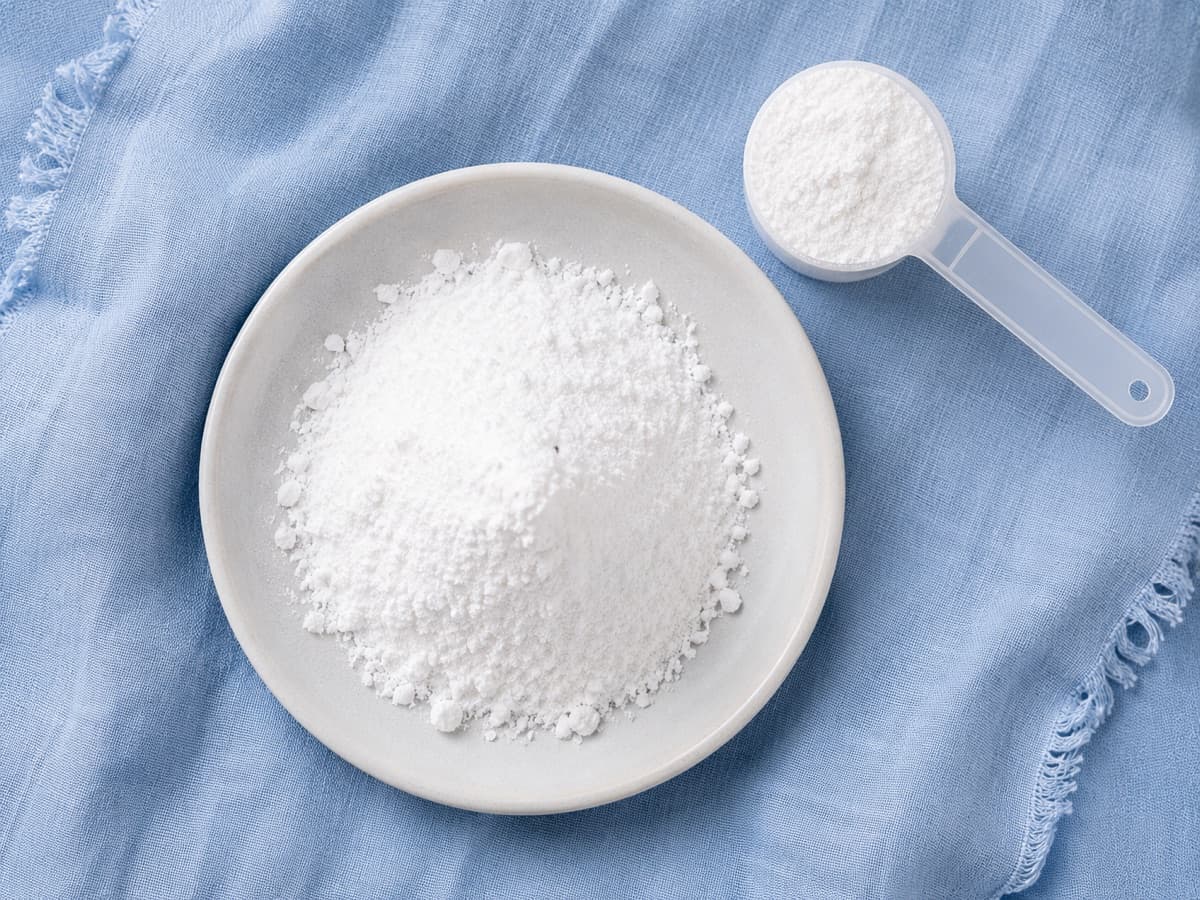
A dipeptide of beta-alanine and histidine, concentrated in muscle tissue. Buffers hydrogen ions during intense exercise to improve fatigue resistance. Intramuscular carnosine can be elevated through beta-alanine supplementation.
An ingredient with growing research
Buy
(PR)The links below include affiliate links (PR).
Effects reported in research
May improve fatigue resistance via intramuscular pH buffering
Antioxidant properties and AGE (advanced glycation end-product) inhibition under investigation
May offset age-related decline in muscle carnosine levels
Dosage & timing
- Oral carnosine is rapidly degraded by carnosinase.
- For elevating muscle carnosine, sustained beta-alanine supplementation (3.2–6.4 g/day) is more efficient.
Cautions
- •Direct carnosine supplementation has limited uptake into muscle due to enzymatic breakdown.
- •Beta-alanine supplementation causes paresthesia (tingling).
- •Consult a doctor for kidney conditions.
Supporting research
Similar supplements
Agmatine
Confidence: LowAgmatine sulfate
A decarboxylation product of arginine. Under investigation for NOS modulation, neural effects, and insulin secretion, but human evidence remains limited.
L-Arginine
Confidence: LowL-Arginine
An amino acid that serves as a precursor to nitric oxide (NO), promoting vasodilation. Common in pre-workout products, though oral bioavailability is lower than citrulline.
Betaine Anhydrous
Confidence: ModerateBetaine (trimethylglycine) anhydrous
An osmolyte derived from sugar beets. Acts as a methyl donor in homocysteine metabolism. Some RCTs report benefits for muscular strength, power, and lean mass.
Last checked: