
Betaine Anhydrous
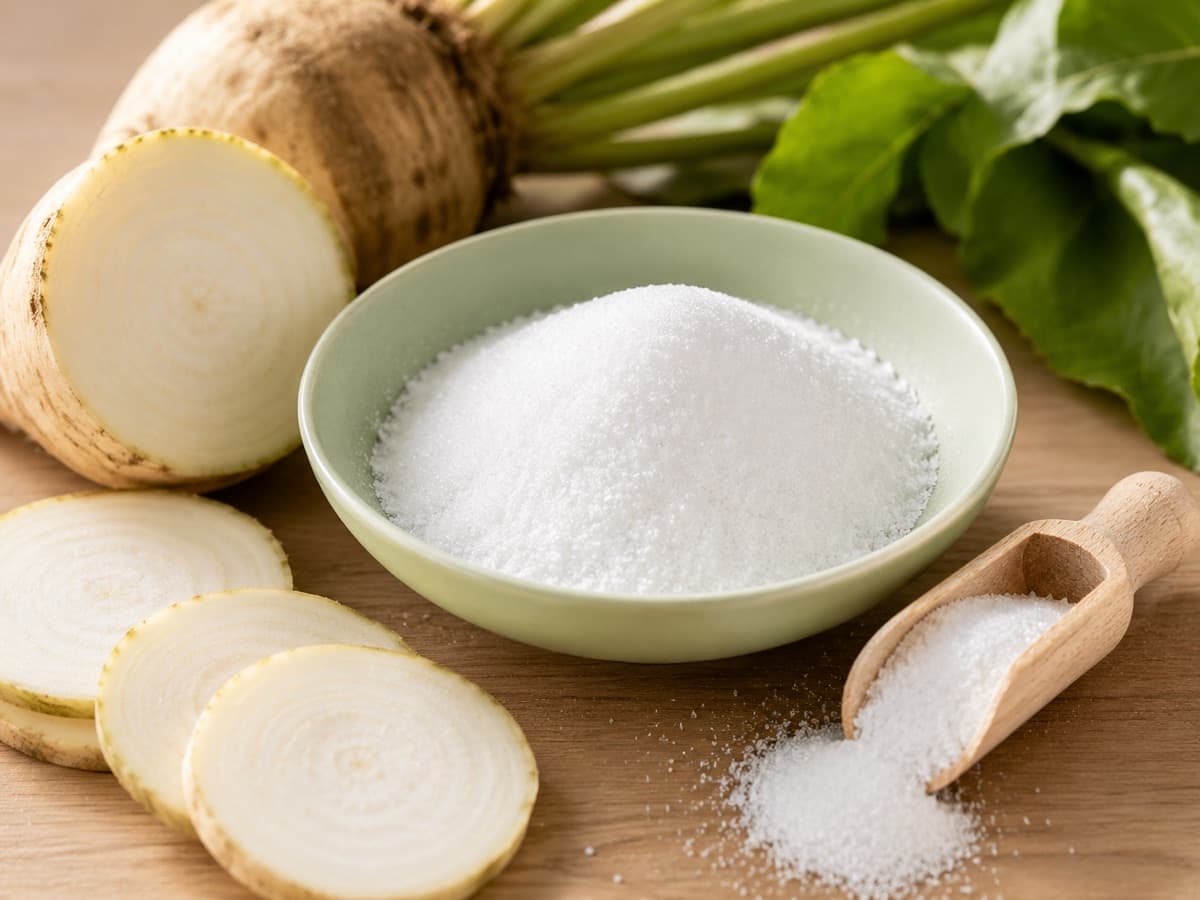
An osmolyte derived from sugar beets. Acts as a methyl donor in homocysteine metabolism. Some RCTs report benefits for muscular strength, power, and lean mass.
An ingredient with growing research
Buy
(PR)The links below include affiliate links (PR).
Effects reported in research
May increase muscular strength and power (suggested in multiple RCTs)
May support cardiovascular health via homocysteine reduction
Acts as an osmolyte, supporting cellular hydration
Dosage & timing
- 2.5 g/day (1.25 g × 2).
- Effects accumulate with sustained intake.
Cautions
- •High doses may cause fishy body odor (trimethylamine production).
- •GI discomfort reported.
- •Consult a doctor for kidney conditions.
Supporting research
Similar supplements
Betaine (Trimethylglycine)
Confidence: ModerateBetaine (Trimethylglycine, TMG)
Betaine is an amino acid derivative that acts as a methyl donor involved in creatine synthesis. Multiple RCTs have reported improvements in upper-body strength and muscle power, though results for lower-body outcomes are mixed. Cardiovascular benefits via homocysteine reduction are also under investigation.
Vitamin D
Confidence: ModerateVitamin D3 (cholecalciferol)
A fat-soluble vitamin synthesized in the skin from sunlight. Involved in bone metabolism, immune function, and muscle function. Deficiency is common in indoor lifestyles and low-sunlight environments. Athletes show high deficiency rates, and associations with muscle strength, immunity, and bone density are well-researched.
Caffeine
Confidence: ModerateAnhydrous caffeine
A pre-workout staple. Alongside alertness and focus, it gives a small boost to strength, power and endurance. Tolerance builds with habitual use, so timing matters.