
Effects of resistance training on resting metabolic rate: a meta-analysis
Strasser B, Schobersberger W
Evidence is still building up
Summary
A meta-analysis evaluating the long-term effects of resistance training on resting metabolic rate (RMR) and body composition. RMR significantly increased through gains in lean mass (fat-free mass), and fat mass also decreased. However, short-term interventions (4–8 weeks) showed limited RMR changes, emphasizing the importance of long-term continuation.
Key findings
- 1
Continued resistance training increases resting metabolic rate (RMR) by an average of 7%
- 2
Each 1 kg increase in muscle mass is estimated to raise resting metabolism by approximately 13 kcal/day
- 3
Short-term interventions (4–8 weeks) show limited RMR changes (~3–5%)
- 4
Synergistic effect of fat mass reduction (~1.4 kg average) and RMR increase favors body fat management
Related supplements
PR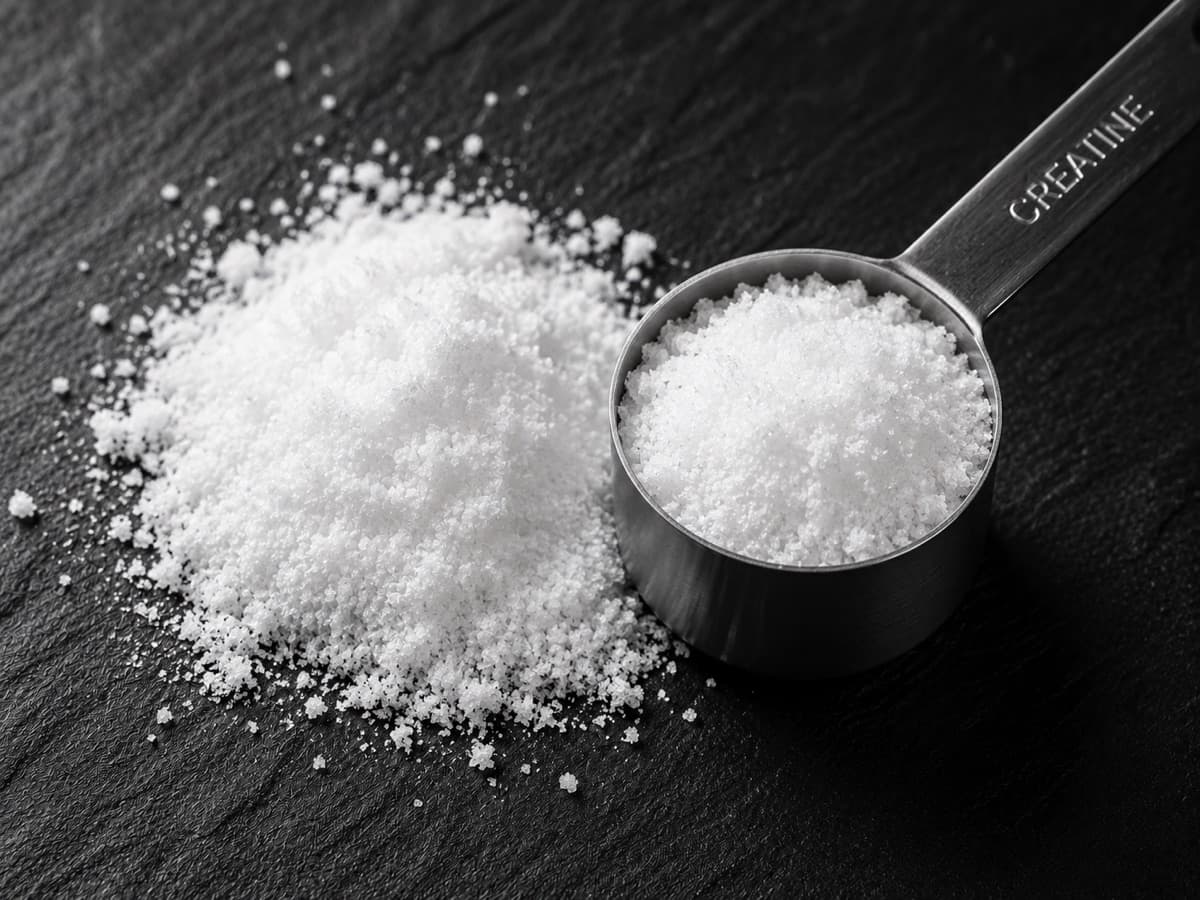 CreatineView in official store
Improved high-intensity, repeated-effort performance
The links below include affiliate links (PR).
Related research
Effects of resistance training on bone mineral density: a meta-analysis
British Journal of Sports Medicine, 2015
A pooled analysis of RCTs examining the effects of resistance training on bone mineral density (BMD) at the spine, hip, and femoral neck. Significant BMD increases were found at all sites, with particularly large effects in postmenopausal women.
Effect of two different weight-loss rates on body composition and strength and power-related performance in elite athletes
International Journal of Sport Nutrition and Exercise Metabolism, 2011
急速減量(週約1.4%体重減)と緩徐減量(週約0.7%体重減)を比較したRCT(エリートアスリート対象)。緩徐減量グループは急速減量グループより筋肉量の維持が良好で、筋力・パワーの低下も少なかった。極端なカロリー制限は筋肉量を犠牲にして減量することを示した。
Last checked: