
Dose-response relationship between leucine intake and muscle protein synthesis
Moore DR, et al.
Evidence is still building up
Summary
Young men were given varying protein doses (0–40 g) after resistance exercise and MPS was measured. Maximal stimulation was achieved at 10–20 g; 40 g showed excess amino acid oxidation, establishing a dose-response relationship.
Key findings
- 1
Approximately 20 g of protein per meal is sufficient to maximize MPS stimulation
- 2
At 40 g, excess amino acids are oxidized with minimal additional MPS benefit
- 3
High-leucine proteins (e.g., whey) can maximize MPS with smaller amounts
Related supplements
PR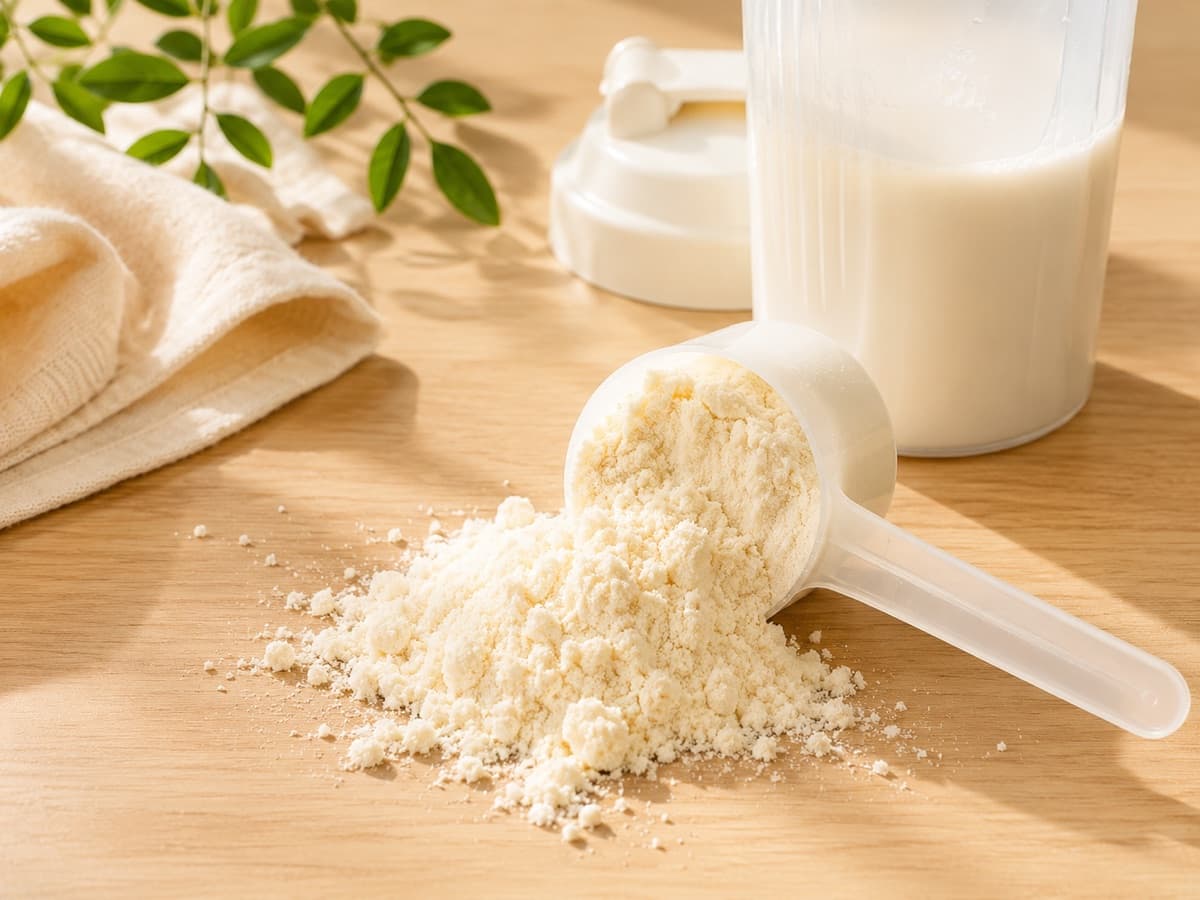 Whey ProteinView in official store
Helps you reach total daily protein
 EAA (Essential Amino Acids)View in official store
Research reports promotion of muscle protein synthesis in individuals who train
The links below include affiliate links (PR).
Related research
Protein supplementation augments resistance-training-induced gains in muscle mass and strength (meta-analysis)
British Journal of Sports Medicine, 2018
A synthesis of 49 RCTs (1,863 participants). Protein supplementation significantly increased gains in lean mass and 1RM from resistance training; benefits plateaued beyond about 1.6 g/kg/day of total protein.
Ingestion of whey hydrolysate, casein, or soy protein isolate: effects on mixed muscle protein synthesis at rest and following resistance exercise in young men
Journal of Applied Physiology, 2009
ホエイ(加水分解)・カゼイン・ソイプロテインを摂取した後の安静時・運動後の筋タンパク質合成(MPS)を比較したRCT。ホエイは急速吸収・高ロイシン含量によりカゼイン・ソイより運動後MPSを有意に高めた。カゼインは吸収が遅く夜間の徐放性補給に適している。ソイはホエイとカゼインの中間的な特性を示した。
Last checked: