
Whey Protein
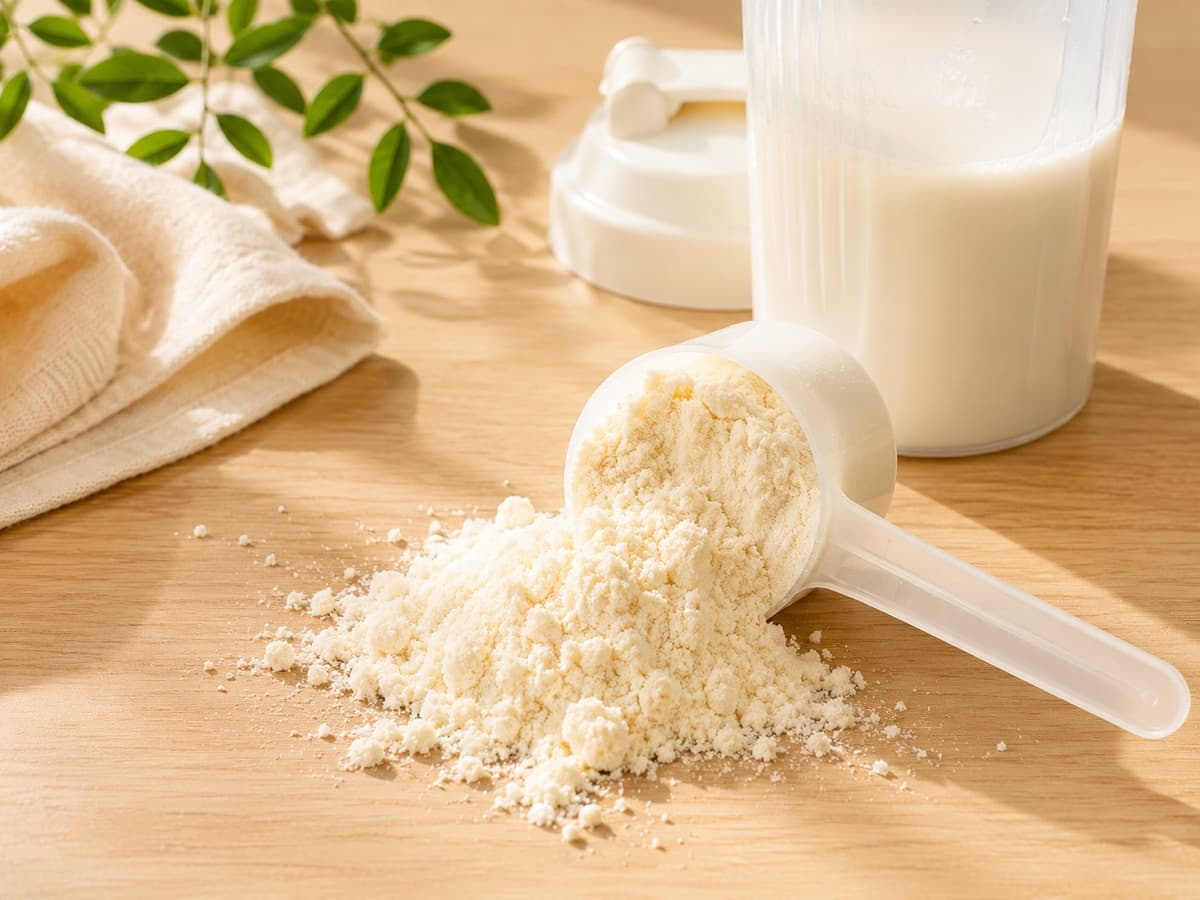
A convenient way to top up protein that's hard to hit through meals alone. Rich in leucine, which helps trigger muscle protein synthesis. A supplement to total intake — not a magic powder.
A well-studied, foundational ingredient
Buy
(PR)The links below include affiliate links (PR).
Effects reported in research
Helps you reach total daily protein
Supports lean-mass and strength gains alongside training
Fast-absorbing and high in leucine
Dosage & timing
- 20–40 g per serving.
- Adjust with meals so total daily protein lands around 1.6 g/kg body weight.
Cautions
- •If lactose-intolerant, choose isolate (WPI).
- •In people with normal kidneys, high-protein intake has not been shown to harm kidney function.
Supporting research
Similar supplements
Whey Protein Isolate
Confidence: HighWhey protein isolate (WPI)
A highly purified whey fraction with 90%+ protein, minimal lactose and fat. Suitable for those with lactose intolerance who want fast-digesting protein.
BCAA (Branched-Chain Amino Acids)
Confidence: ModerateLeucine, Isoleucine, Valine (typically in a 2:1:1 or 4:1:1 ratio)
A supplement consisting of three essential amino acids — leucine, isoleucine, and valine. Multiple meta-analyses report a moderate reduction in delayed onset muscle soreness (DOMS), supporting post-exercise recovery. However, when total protein intake is already adequate, the incremental benefit of additional BCAA supplementation on muscle protein synthesis appears to be limited.
Betaine (Trimethylglycine)
Confidence: ModerateBetaine (Trimethylglycine, TMG)
Betaine is an amino acid derivative that acts as a methyl donor involved in creatine synthesis. Multiple RCTs have reported improvements in upper-body strength and muscle power, though results for lower-body outcomes are mixed. Cardiovascular benefits via homocysteine reduction are also under investigation.
Last checked: