
Is the Post-Workout Protein Window Real? The Science Behind Anabolic Window Claims
Published:
Written by: Shingo YoshizakiReviewed by: Tomonobu Someda
"Not taking protein within 30 minutes after training means missing your anabolic window" — the anabolic window concept became gospel in the fitness industry. But recent research has significantly revised the importance of this window. Does protein timing truly matter, or does total daily protein intake win?
Let the data settle it.
Is protein intake within 30 minutes post-workout essential for hypertrophy?
What's said
プロテインメーカー広告・旧来のボディビル雑誌
The 30-minute post-workout anabolic window is real. Missing it drastically reduces muscle protein synthesis and wastes the training session.
What research says
- A meta-analysis by Schoenfeld et al.
- (2013) found that when total daily protein intake was equated, post-workout timing alone did not significantly improve hypertrophy.
- The "anabolic window" is now thought to span approximately 4–6 hours, making the strict "30 minutes" requirement an overstatement.
- The importance of immediate post-workout protein increases when training is done in a fasted state or without pre-training protein.
The strict "30-minute window" is not well-supported. When total daily protein is adequate, consuming protein within a few hours is sufficient. Importance of immediate intake increases when training fasted.
Should protein be evenly distributed throughout the day?
What's said
フィットネス系入門書・プロテイン広告
Protein absorption maxes out at 30g per meal — anything more goes to waste. Frequent small doses throughout the day are essential.
What research says
- The "30g limit" is a myth — protein absorption continues regardless of quantity.
- However, for muscle protein synthesis (MPS) stimulation, 20–40g per meal appears sufficient to maximize the response (Moore et al.
- 2009).
- Distributing daily protein across 3–4 equal meals may trigger more total MPS events (Areta et al.
- 2013).
- However, when total intake is equated, the hypertrophy difference from uneven distribution is relatively small.
- Total protein intake remains a higher priority than timing and distribution patterns.
The 30g limit is a myth. For maximum MPS, 20–40g per meal is the target. Spreading across 3–4 meals is beneficial, but total daily intake is the top priority.
Does pre-sleep casein protein enhance hypertrophy?
What's said
カゼインサプリメーカー・ボディビル情報サイト
Pre-sleep casein protein prevents overnight muscle breakdown and maximizes hypertrophy. Pre-sleep protein is essential.
What research says
- RCTs by Res et al.
- (2012) and Snijders et al.
- (2015) demonstrated that pre-sleep protein intake (~40g) increases overnight MPS and promotes hypertrophy.
- However, this is most effective when total daily protein intake is insufficient.
- When total intake is already adequate, the additional benefit of pre-sleep protein diminishes.
- Among protein timing strategies, pre-sleep intake has among the most consistent evidence.
Pre-sleep protein intake has evidence for increasing overnight MPS. Most effective when daily total protein is insufficient — additional benefit is limited when total intake is already adequate.
Related supplements
PR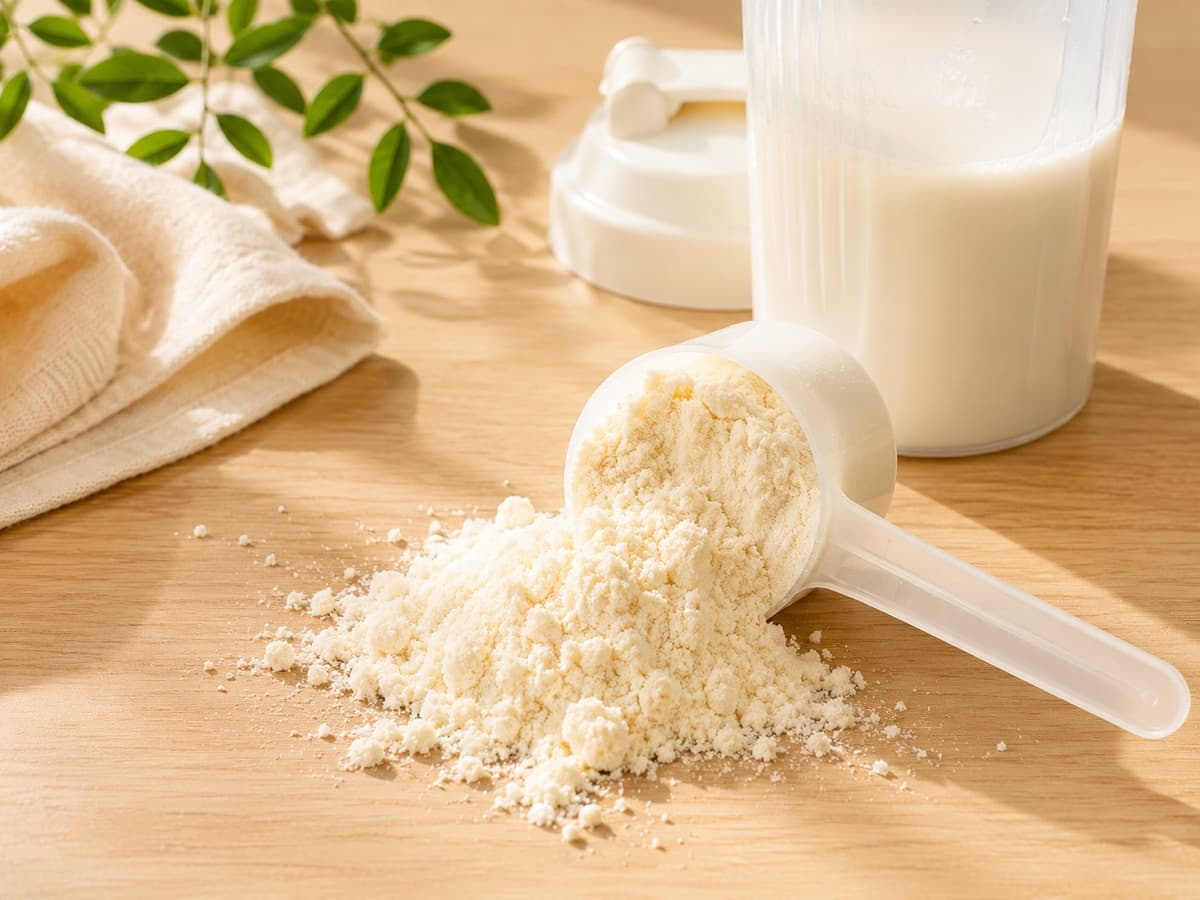 Whey ProteinView in official store
Helps you reach total daily protein
 Casein ProteinView in official store
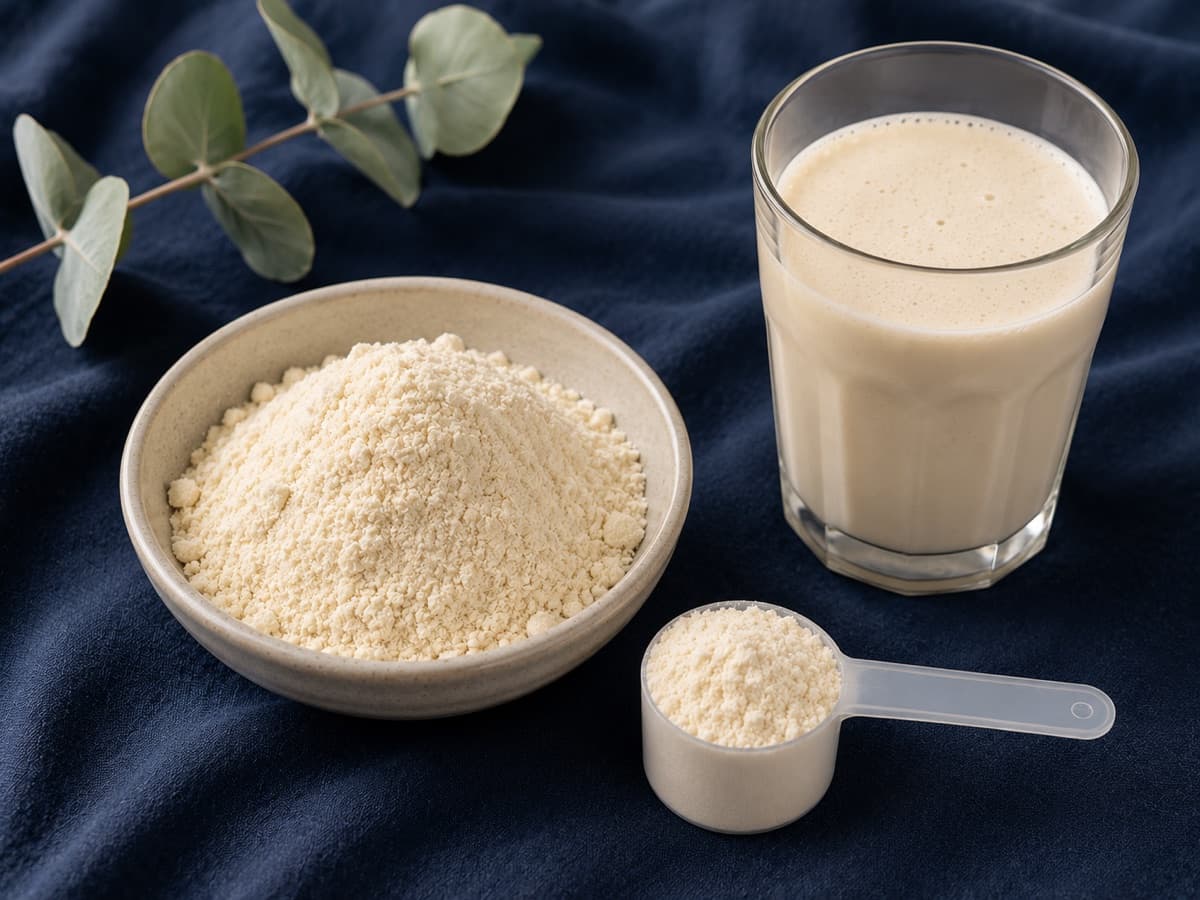
Enhanced overnight muscle protein synthesis (studies report increased synthesis rates with 40g pre-sleep intake)
The links below include affiliate links (PR).
Related research
- Protein supplementation augments resistance-training-induced gains in muscle mass and strength (meta-analysis)2018
- Ingestion of whey hydrolysate, casein, or soy protein isolate: effects on mixed muscle protein synthesis at rest and following resistance exercise in young men2009
- Branched-chain amino acids and muscle protein synthesis in humans: myth or reality?2017
Sources
- Schoenfeld BJ et al. (2013) J Int Soc Sports Nutr — The effect of protein timing on muscle strength and hypertrophy: a meta-analysis
- Moore DR et al. (2009) Am J Clin Nutr — Ingested protein dose response of muscle and albumin protein synthesis after resistance exercise
- Snijders T et al. (2015) J Nutr — Protein Ingestion before Sleep Increases Muscle Mass and Strength Gains during Prolonged Resistance-Type Exercise Training
Published:
Written by
Shingo YoshizakiSoftware Engineer / Research Writer at BODYDATA
An engineer's job is verification. I read the source before I trust gym lore — same as code.
View profile →
Reviewed by: Tomonobu Someda
Content reviewed from the perspective of coaching practice and supplement-industry experience
Read next
- Research vs Bro-science
Barbell, Dumbbell, or Machine — Which Is Best for Muscle Hypertrophy?
"Free weights (barbells and dumbbells) are superior to machines" and "barbells are best because they activate stabilizers" — free weight dogma runs deep in gym culture. But do barbells, dumbbells, and machines actually produce different hypertrophy outcomes? Recent meta-analyses and RCTs are beginning to provide clear answers.
Shingo Yoshizaki
- Explainer
Why Beginners Gain Muscle So Rapidly in the First Few Months: The Science of Beginner's Gains
Shingo Yoshizaki
- Research vs Bro-science
Are Carbs Actually Necessary for Muscle Growth? Glycogen, Insulin, and Hypertrophy
"Carbs spike insulin and drive muscle growth" and "depleted glycogen causes muscle breakdown" — the carb-hypertrophy relationship is often presented as complex. At the same time, claims that "you can build muscle on a ketogenic diet" also circulate. Are carbohydrates truly essential for hypertrophy?
Shingo Yoshizaki