

Is All Protein Powder the Same? Whey vs. Soy vs. Casein — The Myth vs. Research
Published:
Written by: Shingo YoshizakiReviewed by: Tomonobu Someda
"All protein powder is the same" vs. "only whey is worth using" — both extremes miss the nuance. How much does protein source actually matter for muscle protein synthesis? The research has a clear answer.
Let the data settle it.
Does whey protein produce superior muscle protein synthesis after exercise compared to other sources?
What's said
「カロリーが全て」派・簡素な栄養情報
All protein powder is the same as long as the total grams are matched. Soy, casein, and whey are interchangeable if you hit your daily protein target. The differences are overblown.
What research says
- Tang et al.
- (2009) RCT found post-exercise MPS ranked: whey hydrolysate > soy ≈ casein, with whey significantly outperforming the others.
- The advantage comes from whey's higher leucine content (~11%), stronger mTORC1 activation, and faster digestion.
- However, the difference is more pronounced when total protein intake is low — when total daily protein is adequate (1.6–2.0 g/kg/day), the gap narrows substantially.
Acute MPS response: whey > soy ≈ casein. But with adequate total daily protein, long-term differences narrow. Choose based on cost, preference, and dietary restrictions.
Does casein have a unique advantage as a pre-sleep protein source?
What's said
プロテインタイミングを軽視する立場
Any protein before bed works the same. The absorption rate difference is too small to matter, and nighttime protein timing doesn't change anything meaningful.
What research says
- Res et al.
- (2012, Med Sci Sports Exerc) RCT showed that 40 g of casein protein before sleep significantly elevated overnight muscle protein synthesis and improved morning protein balance.
- Casein's slow digestion (~6–8 hours of amino acid release) makes it well-suited for overnight supply.
- Whey peaks at 30–60 minutes and drops quickly, less ideal for sustained overnight delivery.
- Pre-sleep casein is most beneficial when total daily protein intake is below target.
Pre-sleep casein significantly elevates overnight muscle protein synthesis — a real advantage over whey at bedtime. Especially valuable when daily protein targets aren't fully met from meals.
Is soy protein inferior to whey for muscle building?
What's said
動物性プロテイン絶対主義・一部のスポーツ栄養情報
Plant proteins are definitively inferior for muscle building — lower amino acid quality, lower leucine content, weaker hypertrophy effects. Vegans are always at a disadvantage.
What research says
- Soy has the highest PDCAAS among plant proteins, approaching 1.0.
- Acute MPS is slightly below whey but comparable to casein.
- Long-term comparisons (e.g., Hartman et al.
- 2007) show small and sometimes non-significant hypertrophy differences between soy and whey.
- The main limitation is lower leucine — compensated by using larger doses (35 g soy vs 25 g whey).
- Blending plant proteins (pea + rice) can further improve amino acid profiles.
Soy's acute MPS response is slightly below whey, but this gap can be closed with larger doses. Long-term hypertrophy differences are small. Plant-based lifters can build muscle effectively.
Related supplements
PR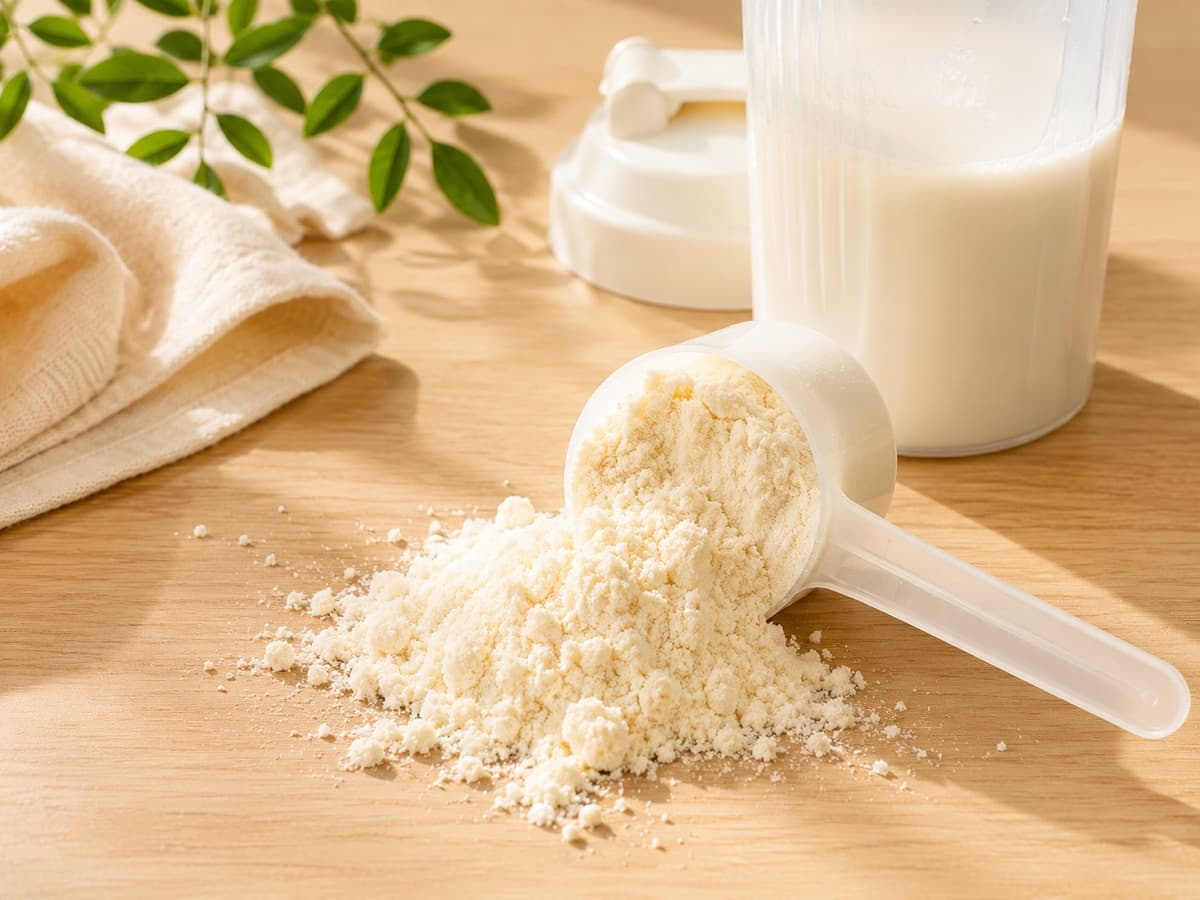 Whey ProteinView in official store
Helps you reach total daily protein
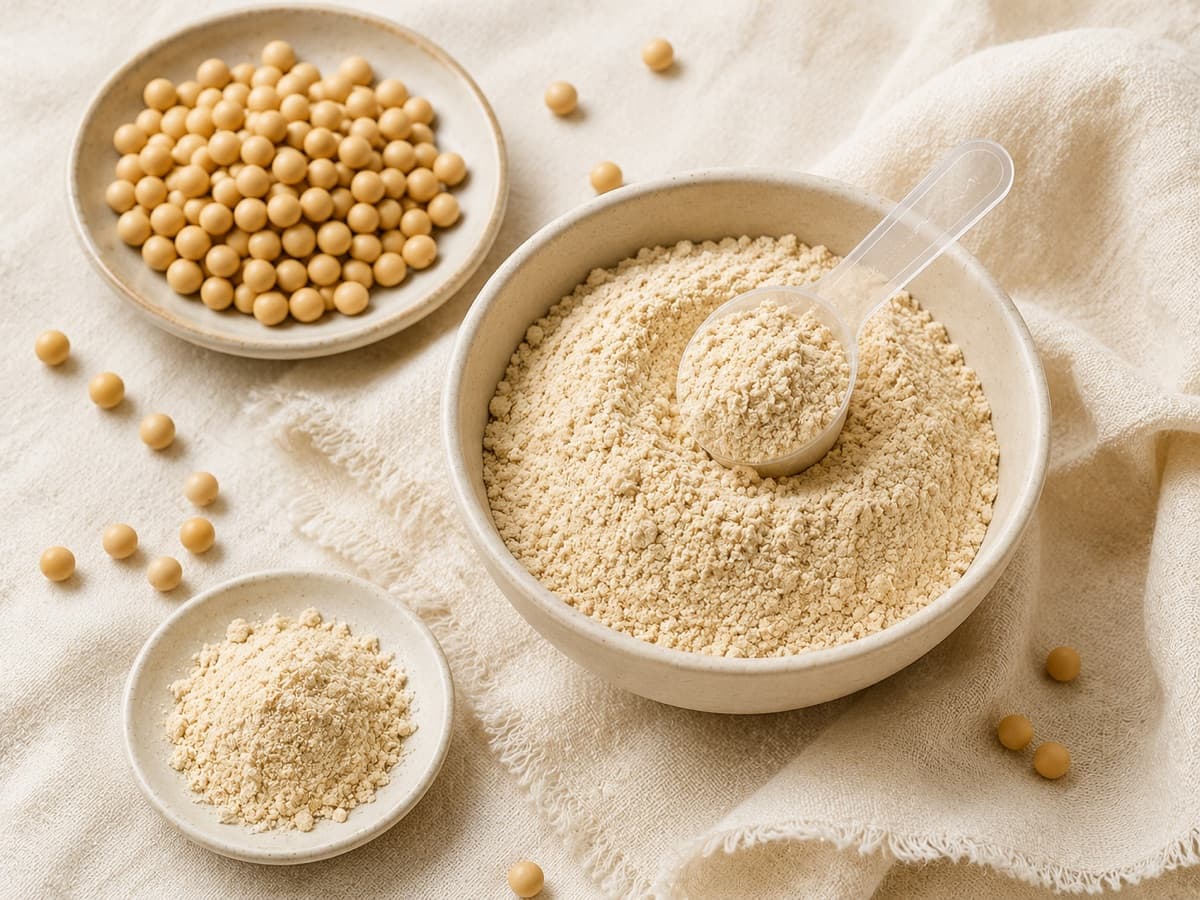 Soy ProteinView in official store
Helps meet total daily protein intake (research recommends 1.6–2.2 g/kg body weight)
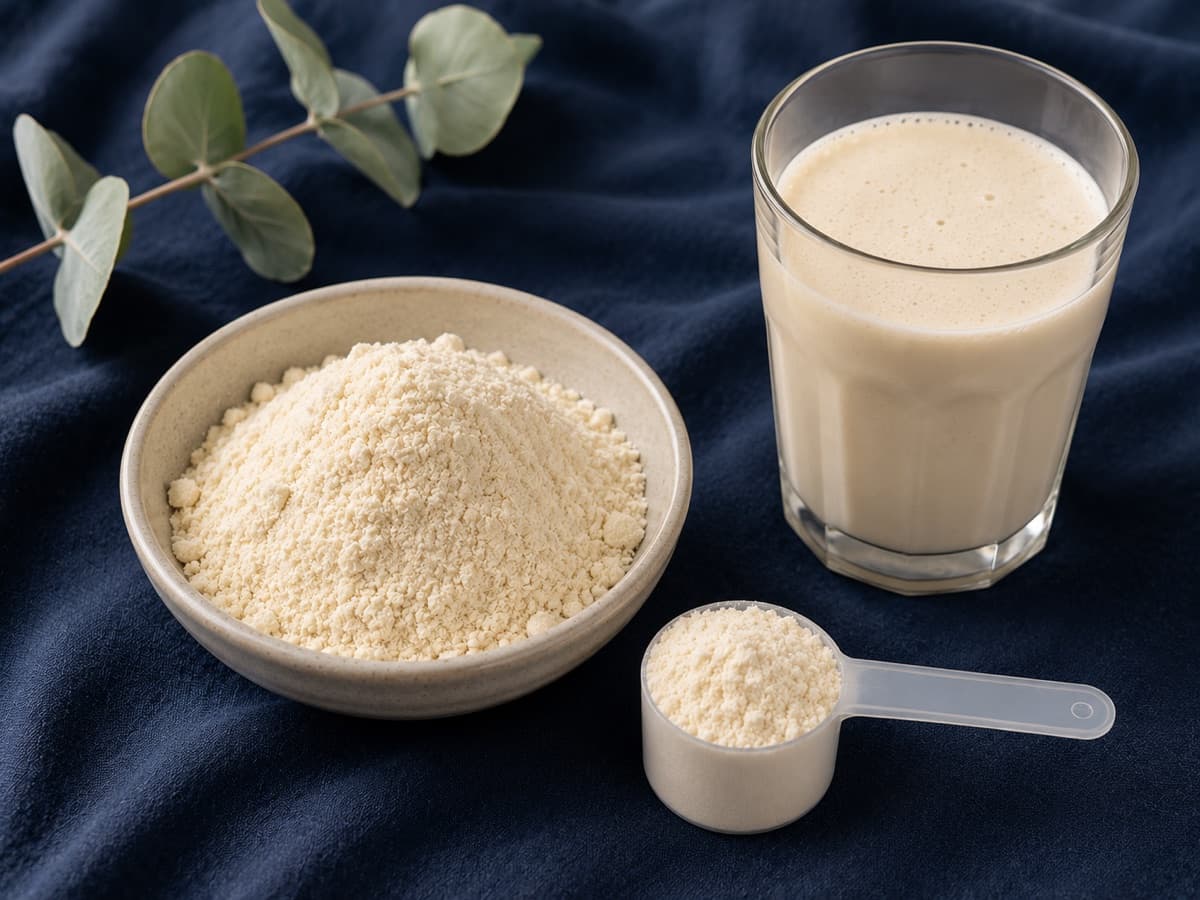 Casein ProteinView in official store
Enhanced overnight muscle protein synthesis (studies report increased synthesis rates with 40g pre-sleep intake)
The links below include affiliate links (PR).
Related research
Sources
Published:

Written by
Shingo YoshizakiSoftware Engineer / Research Writer at BODYDATA
An engineer's job is verification. I read the source before I trust gym lore — same as code.
View profile →
Reviewed by: Tomonobu Someda
Content reviewed from the perspective of coaching practice and supplement-industry experience
Read next
- Research vs Bro-science
Does a Higher Price Tag Mean Better Protein? Common Wisdom vs. the Research
"Cheap protein is inferior and expensive protein builds more muscle" is a claim that circulates freely in gyms and supplement reviews. But does price actually correlate with hypertrophy outcomes? We examine three angles — including whey type differences — through the lens of the research.
Shingo Yoshizaki
- Research vs Bro-science
Does Drinking Protein Shakes Make You Fat? Protein and Weight Management vs. Research
"Protein shakes made me gain weight" and "protein is for bulking up" — common misconceptions, especially among women and casual dieters. Let's examine whether protein shakes actually cause body fat gain.
Shingo Yoshizaki
- Research vs Bro-science
Does more protein always mean more muscle? Lore vs research
'In a bulk, just eat tons of protein — the more you take, the more muscle you build.' We test this gym staple against the research on dose–response, the role of training, and age.
Hirotsugu Yoshimura