

Does Drinking Protein Shakes Make You Fat? Protein and Weight Management vs. Research
Published:
Written by: Shingo YoshizakiReviewed by: Tomonobu Someda
"Protein shakes made me gain weight" and "protein is for bulking up" — common misconceptions, especially among women and casual dieters. Let's examine whether protein shakes actually cause body fat gain.
Let the data settle it.
Does drinking protein shakes inherently cause body fat gain?
What's said
プロテイン否定派の一般論・ダイエット系メディア
Protein shakes make you gain weight. They're not for women or regular people — just for bodybuilders.
What research says
- Body weight change is determined by total caloric balance.
- Protein shakes have no inherent fat-gaining mechanism and should be evaluated like any food in the context of calorie balance.
- Leidy et al.
- (2015) and others show high-protein diets support appetite suppression, lean mass preservation, and fat loss. 'Gained weight from protein shakes' typically results from adding shakes as extra calories on top of an existing diet — the shake is not the problem.
Protein shakes have no inherent fat-gaining property. Weight gain from shakes is caused by caloric surplus, not the protein itself. Used as a meal component or substitute, protein shakes can support fat loss.
Does excessive protein intake get preferentially stored as body fat?
What's said
タンパク質過剰摂取を懸念する医療系情報
Any protein beyond what you need gets converted to fat. Eating over 200 g/day means the excess all becomes body fat.
What research says
- Protein is broken down to amino acids and used for energy (gluconeogenesis, oxidation), but conversion to fat (de novo lipogenesis) is inefficient compared to carbohydrate and fat.
- Antonio et al.
- (2014) RCT showed that extremely high protein intake (4.4 g/kg/day — over twice typical recommendations) for 8 weeks did not increase body fat.
- The high thermic effect of protein and metabolic costs explain why excess protein is less lipogenic.
- However, it still contributes to caloric intake and is not truly unlimited.
Protein is less likely to be stored as fat than other macros — even very high intakes show minimal fat gain in research. But it still counts toward caloric balance and is not unlimited.
Related supplements
PR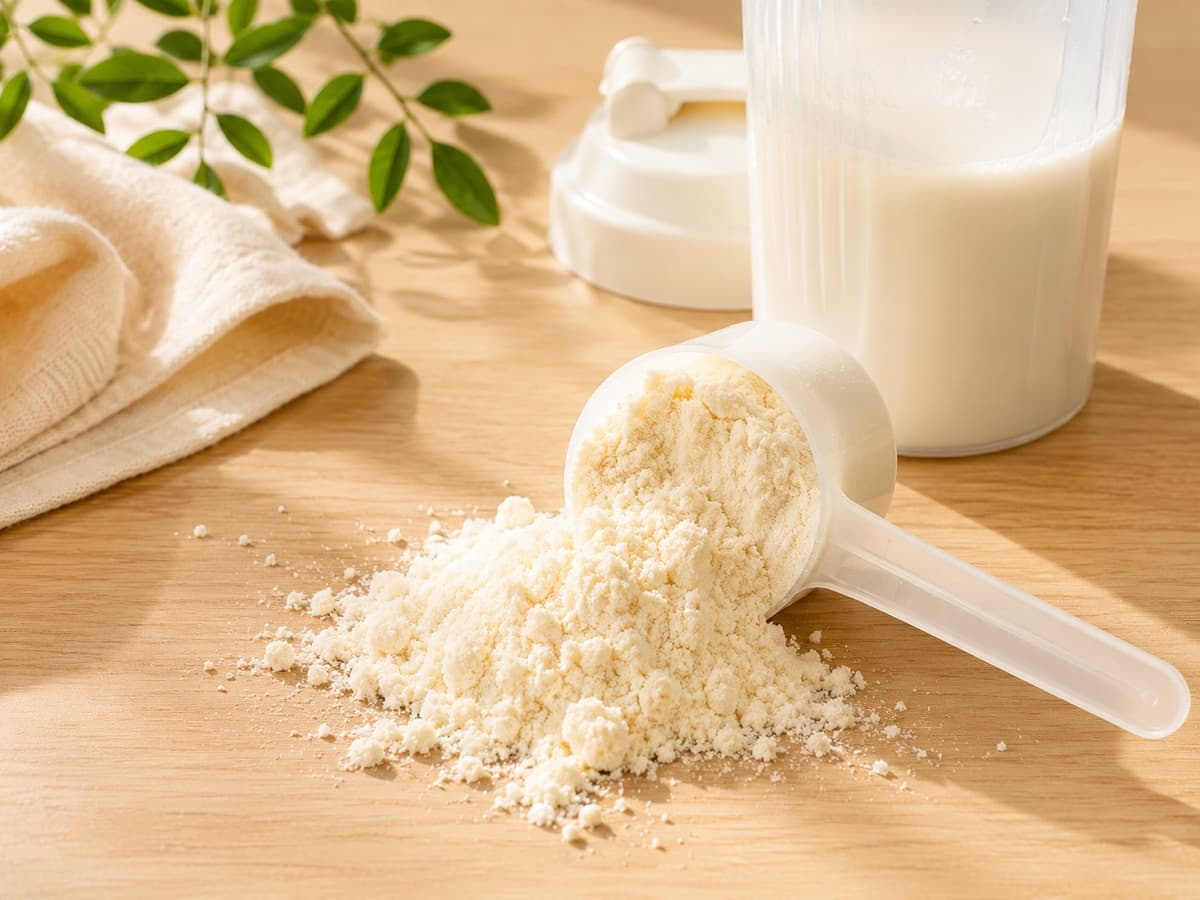 Whey ProteinView in official store
Helps you reach total daily protein
The links below include affiliate links (PR).
Related research
Sources
Published:
Written by
Shingo YoshizakiSoftware Engineer / Research Writer at BODYDATA
An engineer's job is verification. I read the source before I trust gym lore — same as code.
View profile →
Reviewed by: Tomonobu Someda
Content reviewed from the perspective of coaching practice and supplement-industry experience
Read next
- Research vs Bro-science
Is 'How Much You Eat' Really More Important Than 'What You Eat'? Diet Quality vs. Quantity vs. Research
"As long as you hit your calorie target, eat whatever you want (IIFYM)" vs. "regularly eating ultra-processed foods disrupts your body" — which is closer to the research? Let's establish the evidence-based priority between diet quantity and quality.
Shingo Yoshizaki
- Research vs Bro-science
Can Eating More Protein Make You Lose Fat Without Trying? Protein's Thermic Effect vs. Research
Protein 'burns calories just by being digested' and 'suppresses appetite' — these are the scientific pillars behind high-protein dieting. Let's examine the real magnitude of protein's thermic effect (TEF) and its contribution to fat loss.
Shingo Yoshizaki
- Explainer
The Science of Diet Rebound: Why Weight Returns After Dieting and How to Prevent It
Rebound is driven not by willpower failure but by physiological defense mechanisms (metabolic adaptation, leptin decline, and appetite hormone changes). However, research identifies strategies to minimize these effects.
Shingo Yoshizaki