
Unilateral Training for Strength: From Fixing Imbalances to Boosting Athletic Performance
Published:
Written by: Shingo YoshizakiReviewed by: Tomonobu Someda
Are single-leg and single-arm exercises more effective than their bilateral equivalents?
Unilateral training excels at correcting imbalances, reducing fall risk, and improving sport-specific power. For hypertrophy and maximum strength it's roughly equivalent to or slightly inferior to bilateral training, but it adds complementary value by simultaneously developing functional strength, balance, and core stability.
What Is the Bilateral Deficit?
The bilateral deficit (BD) refers to the phenomenon where the force produced bilaterally is less than the sum of each limb's unilateral maximum. For example, both legs together produce less force than the sum of each leg independently. BD is most pronounced in beginners, older adults, and certain athletes. Unilateral training reduces the BD and improves per-limb output.
How Does Unilateral Training Compare for Strength and Hypertrophy?
An RCT by Munn et al. (2004) comparing unilateral and bilateral arm curls found equivalent 1RM strength gains. For hypertrophy, meta-analytic data suggest little difference between conditions when volume and intensity are matched (Gentil et al., 2017). However, unilateral exercises place greater stabilization demand on the core, effectively training trunk muscles simultaneously.
- Equivalent
- strength gains vs bilateral
- + Core demand
- added benefit of unilateral training
Effects on Athletic Performance
Most athletic movements — running, kicking, throwing — are unilateral in nature. The single-limb strength and neuromuscular coordination built through unilateral training transfers more directly to these movements. Research specifically shows benefits for sprint speed, change-of-direction ability, and single-leg jump performance.
Recommended Approach for Programming
A hybrid approach combining bilateral and unilateral exercises is most practical. Perform primary lifts (squat, deadlift, bench) bilaterally, and supplement with Bulgarian split squats, single-leg RDLs, and single-arm dumbbell presses. Adding just 1–2 unilateral exercises per session is enough to address imbalances over time.
Related supplements
PR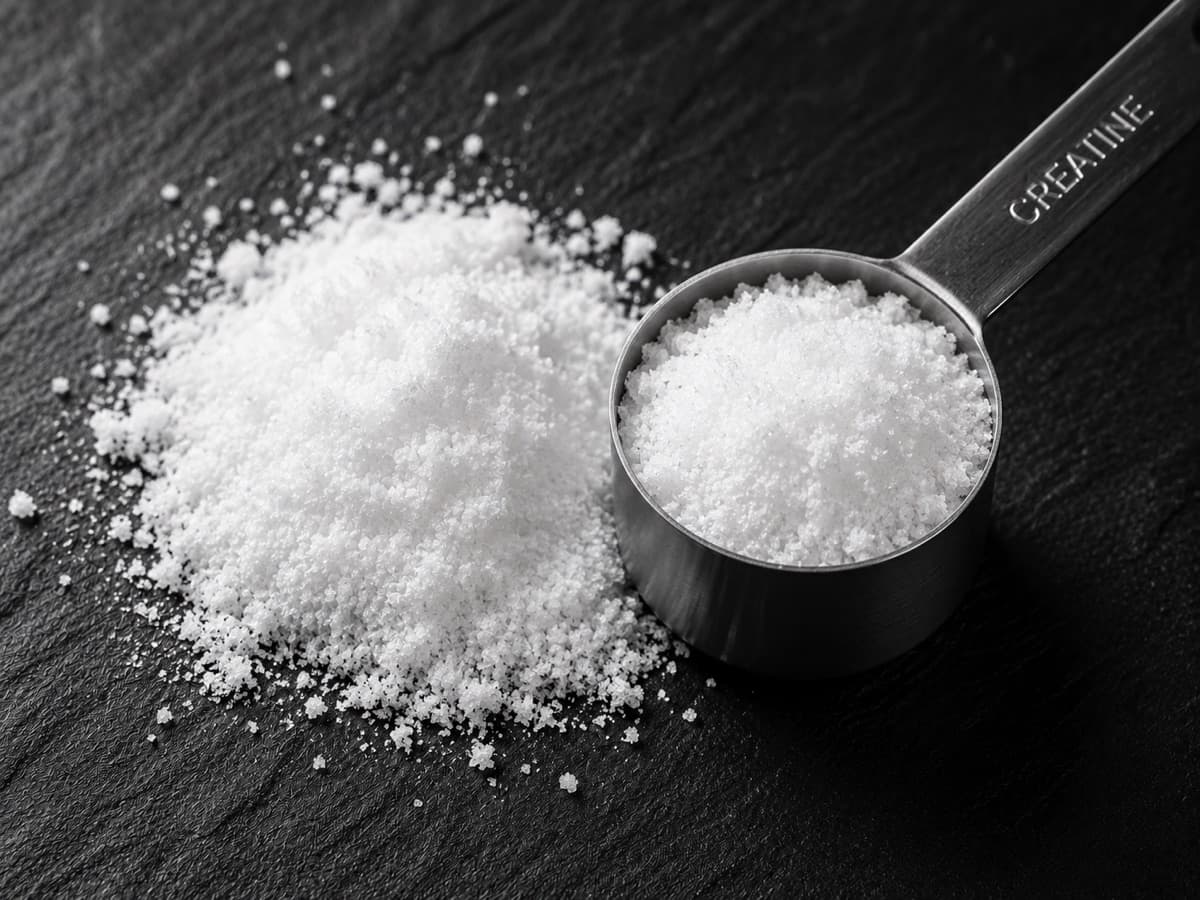 CreatineView in official store
Improved high-intensity, repeated-effort performance
The links below include affiliate links (PR).
Related research
Sources
Published:
Written by
Shingo YoshizakiSoftware Engineer / Research Writer at BODYDATA
An engineer's job is verification. I read the source before I trust gym lore — same as code.
View profile →
Reviewed by: Tomonobu Someda
Content reviewed from the perspective of coaching practice and supplement-industry experience
Read next
- Explainer
Plyometric Training for Explosive Power: The Science Behind Jumps, Sprints, and Sport Performance
Plyometrics — explosive movements like jumps, hops, and bounds that exploit the stretch-shortening cycle — have been shown in meta-analyses to significantly improve jump height, sprint speed, and sport-specific power. Programs of 2–3 sessions per week over 8–12 weeks consistently produce measurable gains.
Shingo Yoshizaki
- Explainer
Electrolyte Supplement Guide: Hydration, Mineral Replenishment, and Muscle Cramp Prevention During Exercise
Research shows that for intense exercise exceeding 60 minutes, sports drinks containing electrolytes (sodium, potassium, magnesium) outperform water alone for maintaining performance. Dehydration exceeding 2% of body weight significantly impairs exercise capacity, and sodium loss from prolonged sweating increases muscle cramp risk.
Shingo Yoshizaki
- Research vs Bro-science
Do You Really Need a Lifting Belt? The 'No Belt = Injury' Claim vs Research
You'll often hear that 'a belt is a lifeline — squatting or deadlifting without one is dangerous.' But you'll just as often hear the counter: 'belts weaken your core' or 'you don't need one.' Let's examine the main claims around lifting belts against the research evidence.
Shingo Yoshizaki