

Does Intermittent Fasting Break Down Muscle? The Catabolism Myth vs. Research
Published:
Written by: Shingo YoshizakiReviewed by: Tomonobu Someda
"Skip meals and your muscle melts away" — this fear puts many lifters off intermittent fasting. Does a 16-hour fast really trigger significant muscle breakdown? Or does total nutrition management matter more than when you eat?
Let the data settle it.
Does a 16-hour fast cause significant muscle protein breakdown?
What's said
「こまめに食べた方がいい」派のフィットネス情報
Going 16 hours without food forces the body to catabolize muscle for energy. If you're not feeding protein every 3–4 hours, muscle protein synthesis shuts down and you lose muscle.
What research says
- Tinsley & La Bounty (2015) reviewed evidence that short-term fasting (16–24 hours) doesn't cause significant net muscle protein loss when total protein intake is adequate.
- Total daily protein intake is a stronger predictor of muscle maintenance than meal timing.
- Some protein catabolism occurs during fasting, but post-fast MPS elevation compensates.
- The key variable is total daily protein and caloric intake — not meal frequency.
With adequate total protein intake, short-term fasting produces minimal net muscle loss. Total daily protein — not timing — is the primary determinant of muscle maintenance.
Is training in a fasted state harmful for muscle?
What's said
プレワークアウト栄養重視のフィットネス文化
Training fasted invites catabolism — your body will cannibalize muscle for fuel. Always eat before training. Working out while fasting is a recipe for muscle loss.
What research says
- Fasted training increases fat oxidation, with a modest increase in protein catabolism.
- However, Moro et al.
- (2016) comparing IF vs. normal diet over 8 weeks found both groups maintained muscle mass comparably.
- Risk increases with prolonged high-intensity sessions (90+ min) combined with chronic underprotein intake.
- Moderate sessions under 30 minutes fasted are generally safe; post-workout protein intake restores recovery.
Fasted training is viable when total protein intake is adequate. Long, high-intensity sessions combined with chronic protein underfeeding is the scenario to avoid.
Related supplements
PR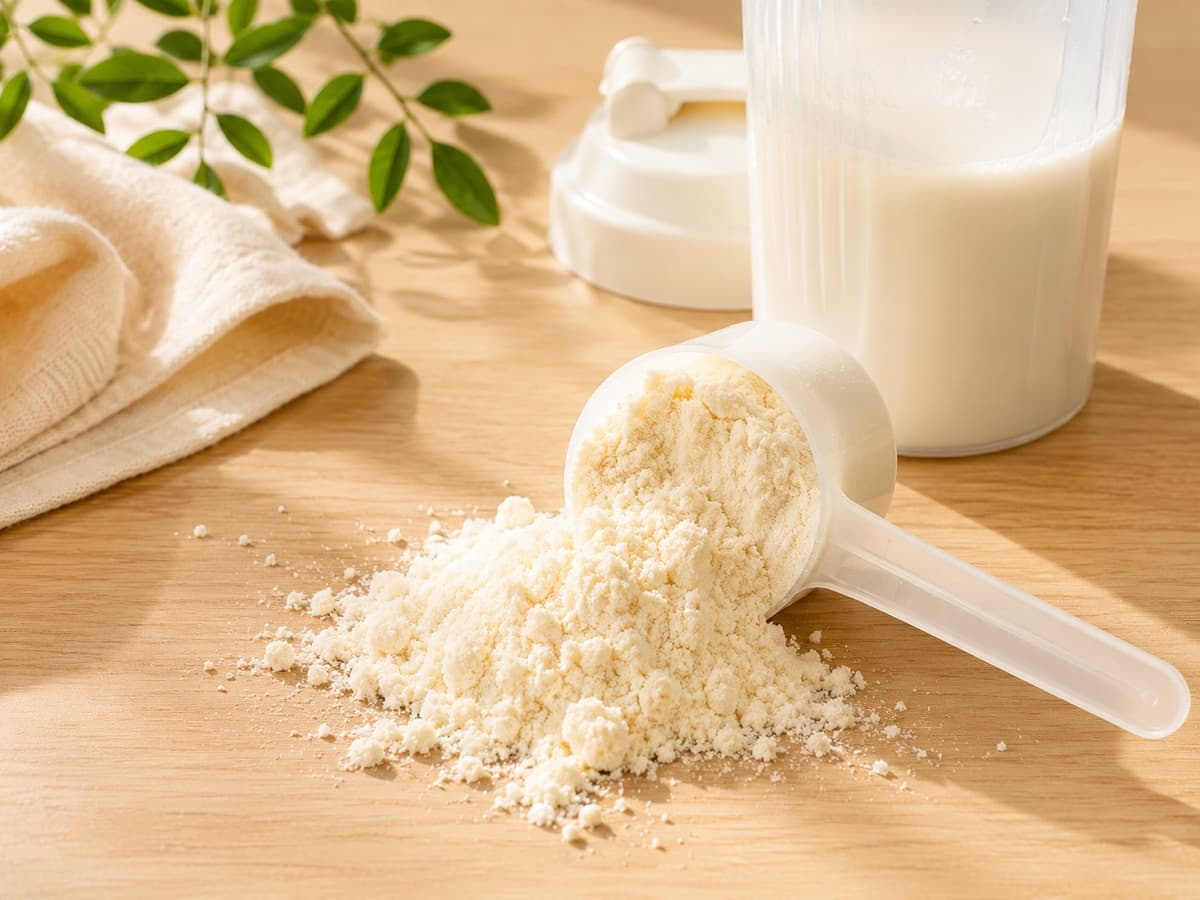 Whey ProteinView in official store
Helps you reach total daily protein
 BCAA (Branched-Chain Amino Acids)View in official store
Reduction in DOMS: Multiple studies report decreases in post-resistance-exercise muscle soreness and muscle damage markers
The links below include affiliate links (PR).
Related research
Sources
Published:
Written by
Shingo YoshizakiSoftware Engineer / Research Writer at BODYDATA
An engineer's job is verification. I read the source before I trust gym lore — same as code.
View profile →
Reviewed by: Tomonobu Someda
Content reviewed from the perspective of coaching practice and supplement-industry experience
Read next
- Research vs Bro-science
Does Drinking Protein Shakes Make You Fat? Protein and Weight Management vs. Research
"Protein shakes made me gain weight" and "protein is for bulking up" — common misconceptions, especially among women and casual dieters. Let's examine whether protein shakes actually cause body fat gain.
Shingo Yoshizaki
- Research vs Bro-science
Can Eating More Protein Make You Lose Fat Without Trying? Protein's Thermic Effect vs. Research
Protein 'burns calories just by being digested' and 'suppresses appetite' — these are the scientific pillars behind high-protein dieting. Let's examine the real magnitude of protein's thermic effect (TEF) and its contribution to fat loss.
Shingo Yoshizaki
- Research vs Bro-science
Should You Eat More Protein While Cutting? Common Wisdom vs. the Research
"Eat more protein while cutting or you'll lose muscle" is a constant refrain in gyms and fitness content. We test this claim from three angles — optimal protein intake under caloric restriction, the impact of cutting speed, and whether protein source type matters — against what the research actually shows.
Shingo Yoshizaki