
How to start creatine: do you need to load?
Published:
Written by: Hirotsugu YoshimuraReviewed by: Tomonobu Someda
So how should you actually start taking creatine?
Just take 3–5 g every day. If you want faster saturation, you can load for the first 5–7 days, but it's optional.
3–5 g every day is the baseline
Creatine works by filling your body's stores. Taking 3–5 g daily saturates them in about 3–4 weeks. Timing within the day doesn't matter much.
- 3–5 g
- Daily maintenance dose
- 3–4 weeks
- Time to saturate without loading
Loading is for those in a hurry
Taking 5 g four times a day for 5–7 days saturates stores within days. It's useful if you want faster effects, but it isn't required, and some people get GI discomfort even when splitting doses.
Related supplements
PR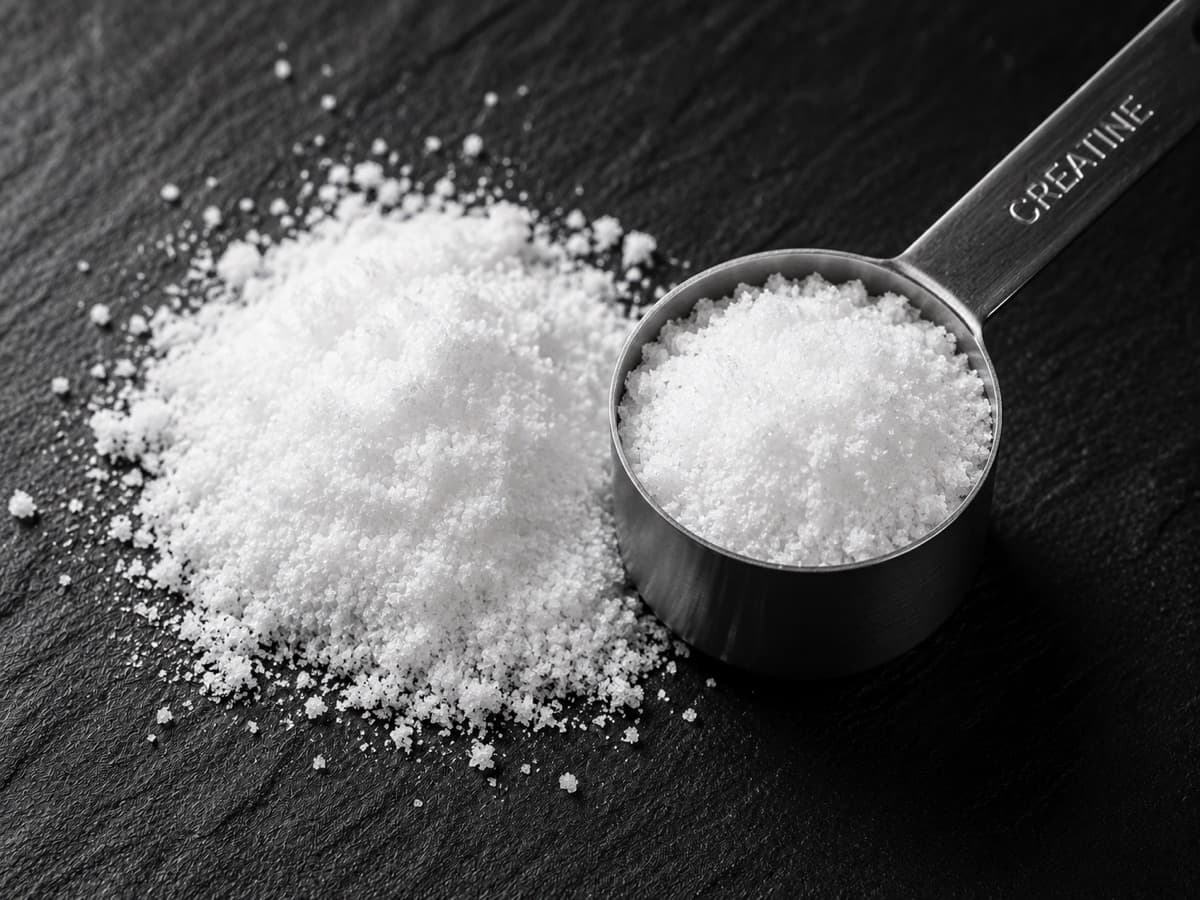 CreatineView in official store
Improved high-intensity, repeated-effort performance
The links below include affiliate links (PR).
Related research
Sources
Published:

Written by
Hirotsugu YoshimuraFounder of BODYDATA / CEO of INVOLVE
I don't pick things because they "seem good." I check the data first, then test it with my own body.
View profile →
Reviewed by: Tomonobu Someda
Content reviewed from the perspective of coaching practice and supplement-industry experience
Read next
- Research vs Bro-science
Is HMB Really a Superior Muscle-Building Supplement to Creatine? The HMB Hype vs. Research
HMB (beta-hydroxy-beta-methylbutyrate), a leucine metabolite, is marketed for stimulating muscle protein synthesis and preventing catabolism. But how well does the "guaranteed gains" claim hold up in research, especially for trained individuals?
Shingo Yoshizaki
- Research vs Bro-science
Does No 'Feeling' Mean Creatine Isn't Working? Common Belief vs. Research
"I don't feel anything from it" and "it doesn't work for me" are among the most common reasons people stop taking creatine. But these conclusions likely stem from a misunderstanding of how creatine actually works. This article examines whether subjective feel is a valid metric for one of the most evidence-backed supplements in sports nutrition.
Shingo Yoshizaki
- Research vs Bro-science
Is EAA Really Better Than BCAA? Gym Popularity vs. the Research
EAA (essential amino acid) supplements have surged in popularity over the past few years, with claims that 'BCAAs are outdated and EAAs are simply better' becoming common in gyms and on social media. The argument sounds theoretically sound — but how well does the research actually back it up?
Shingo Yoshizaki