
Chalk, Wrist Wraps, and Straps: The Complete Guide to Choosing the Right Grip Aid
Published:
Written by: Shingo YoshizakiReviewed by: Tomonobu Someda
What's the difference between chalk, wrist wraps, and lifting straps? When should you use each one?
Each of the three grip aids solves a different problem. Chalk (magnesium carbonate) prevents slipping; wrist wraps stabilize the wrist joint; lifting straps offload grip demand. Matching the right tool to the right exercise lets you focus more on the target muscle.
Chalk (Magnesium Carbonate): Increase Friction, Prevent Slipping
Gym chalk (magnesium carbonate, Mg(OH)₂CO₃) absorbs sweat from the palm and increases friction against the bar. For deadlifts, barbell rows, pull-ups, and any grip-dependent movement, chalk lets you train to failure without slipping. Best for: deadlifts, cleans, snatches, pull-ups — any movement where you 'grip' the bar. Liquid chalk (chalk dissolved in alcohol) is a gym-friendly alternative that complies with no-chalk rules.
Wrist Wraps: Stabilize the Wrist for Heavy Pressing
Wrist wraps stabilize the wrist joint in extension, preventing it from bending backward under heavy pressing loads (bench press, overhead press, front squat). This reduces wrist pain and injury risk while allowing heavier loads. Best for: near-maximal bench press, shoulder press, front squat, dumbbell press. Note: wrist wraps have little to no effect on grip strength — that's not their job.
Lifting Straps: The Answer When Grip Fails Before the Target Muscle
Lifting straps wrap around the bar to effectively bypass grip (forearm flexor) limitations. For deadlifts, barbell rows, shrugs, and pulldowns, straps let you train the back and legs to failure without grip becoming the limiter. Best for: high-volume deadlifts, barbell rows, lat pulldowns, shrugs. Important: straps are banned in most powerlifting competitions. Include regular strap-free sets to continue developing grip strength in parallel.
- Grip only
- what chalk helps with
- Wrist only
- what wrist wraps help with
- Bypasses grip
- what lifting straps help with
Quick Reference: Which Aid for Which Purpose
• Max-effort deadlift: chalk + straps is the strongest combination. • Bench press / shoulder press: wrist wraps. • Barbell rows / shrugs (volume priority): chalk + straps. • Pull-ups / chin-ups: chalk (straps usually get in the way). • Olympic lifts (clean, snatch): chalk only (straps are dangerous for release movements).
Related supplements
PR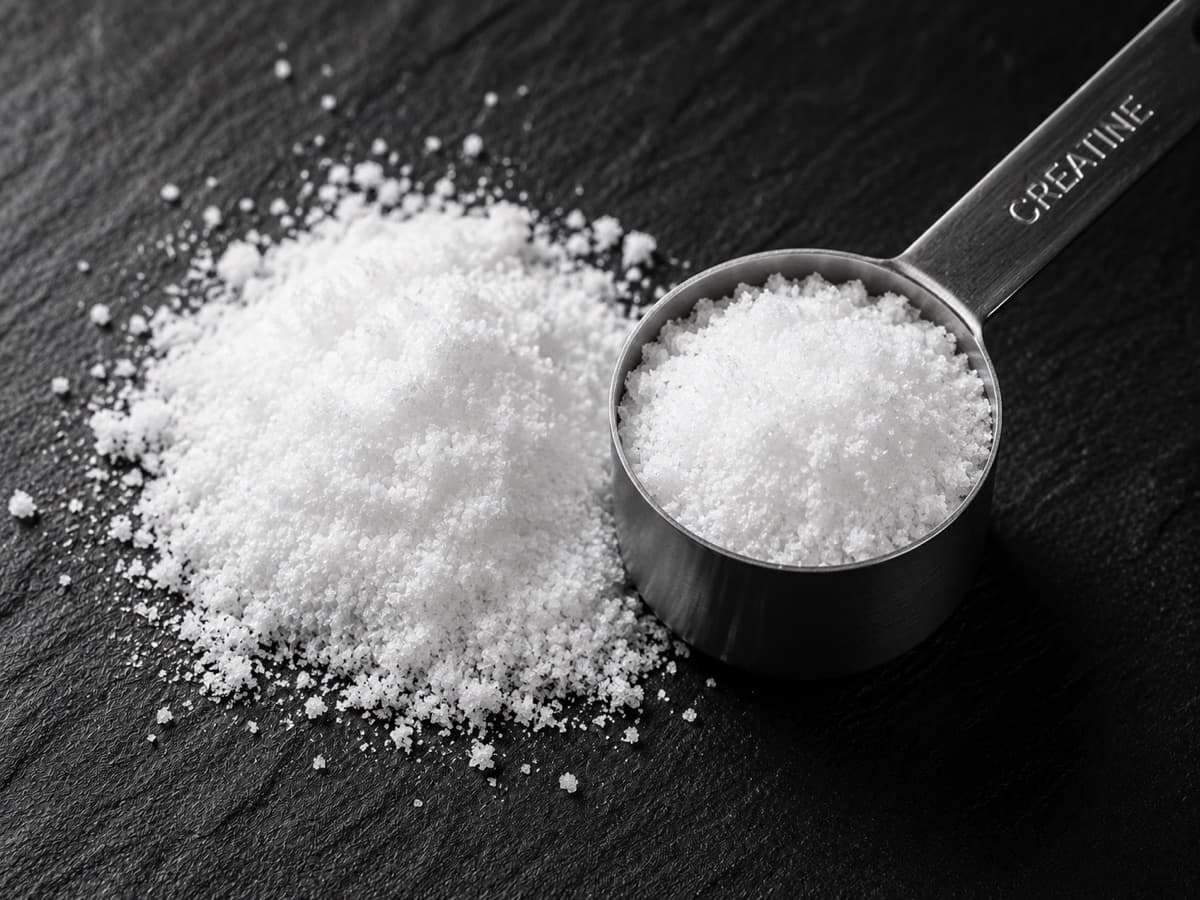 CreatineView in official store
Improved high-intensity, repeated-effort performance
 MagnesiumView in official store
Supports sleep quality and ease of falling asleep when correcting deficiency (confirmed in elderly)
The links below include affiliate links (PR).
Related research
Sources
Published:

Written by
Shingo YoshizakiSoftware Engineer / Research Writer at BODYDATA
An engineer's job is verification. I read the source before I trust gym lore — same as code.
View profile →
Reviewed by: Tomonobu Someda
Content reviewed from the perspective of coaching practice and supplement-industry experience
Read next
- Research vs Bro-science
Do You Really Need a Lifting Belt? The 'No Belt = Injury' Claim vs Research
You'll often hear that 'a belt is a lifeline — squatting or deadlifting without one is dangerous.' But you'll just as often hear the counter: 'belts weaken your core' or 'you don't need one.' Let's examine the main claims around lifting belts against the research evidence.
Shingo Yoshizaki
- Research vs Bro-science
Can Blood Flow Restriction Training Really Build Strength with Light Weights? Common Claims vs Research
Blood flow restriction (BFR) training uses cuffs or wraps to restrict limb blood flow while lifting at low loads (20–30% of 1RM). It's been touted as a way to build muscle and strength without heavy weights, but skeptics call it overhyped. Let's compare the main claims against the research.
Shingo Yoshizaki
- Explainer
The Valsalva Maneuver and Intra-Abdominal Pressure: How Breathing Technique Unlocks More Strength
The Valsalva maneuver — holding your breath and bracing to increase intra-abdominal pressure — is an effective technique that enhances both safety and performance on heavy compound lifts. However, it temporarily causes a sharp blood pressure spike, so anyone with cardiovascular disease or hypertension should consult a physician first.
Shingo Yoshizaki