
AUTHOR
吉村 浩嗣
BODYDATA運営者 / INVOLVE代表
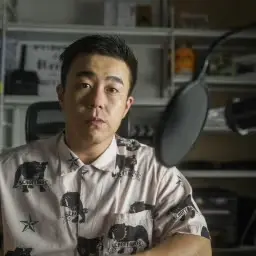
Profile
プロフィール
トレーニング歴20年(19歳から)。ベストはベンチプレス180kg・スクワット180kg・デッドリフト190kg。ウェブディレクターとして業界歴15年、制作・マーケティング・システム開発を手がける。研究論文を「調べて・整理して・伝える」仕事の延長として、BODYDATAを企画・運営。
Credentials
資格・経歴
- トレーニング歴20年
- BIG3ベスト: ベンチプレス180kg・スクワット180kg・デッドリフト190kg
- ウェブ業界歴15年
Articles
執筆記事(24)
- 解説
クレアチンは脳にも効くのか? 記憶力・認知機能との関係を研究で確認する
クレアチンは筋肉だけでなく脳のエネルギー代謝にも関わっており、研究では特に睡眠不足の状態や、食事からのクレアチン摂取が少ないベジタリアンで、記憶力・処理速度など一部の認知課題のスコアに改善が報告されている。収録している Avgerinos ら(2018)が報告しているのは、若年者では認知課題の成績が変化しなかったことと、多くの認知領域で結果が一致しなかったことである。
吉村 浩嗣
- 解説
ロイシンとは? 筋タンパク質合成の『スイッチ』の正体と限界
ロイシンは体内で合成できない必須アミノ酸の1つで、BCAA(分岐鎖アミノ酸)の中でも筋タンパク質合成のスイッチ役を担うとされる。1食あたりの目安量を示せる出典を、本記事は収録していない。 この『閾値』の存在自体、研究間で一致していない。またロイシンだけを摂っても、他の必須アミノ酸が不足していれば筋タンパク質合成は長く続かない。
吉村 浩嗣
- 解説
ホエイプロテインについて、収録した出典が言える範囲
収録している出典が示すのは次の2点である。Castro ら(2019)のメタ分析(8件・246名)では、ホエイプロテインの補給が脂肪量の減少では有意な効果を示した一方(加重平均差 −0.96、95%CI −1.37〜−0.55、p<0.001)、除脂肪量についてはどのシナリオでも有意な効果が無かった(p>0.05)。 国際スポーツ栄養学会のポジションスタンド(Jäger ら 2017)は、1回あたりの一般的な推奨として体重1kgあたり0.25g、または絶対量として20〜40gを挙げ、1日あたりでは1.4〜2.0 g/kgが多くの運動者に十分だとしている。
吉村 浩嗣
- 解説
「フィジカルの化け物」はなぜ強いのか:体格・遺伝・才能を研究で分解する
研究から言えるのは集団レベルの傾向だけで、特定の誰かの強さを説明するものではない。そのうえで大きく2つに分けられる。①体格:体重・BMI、除脂肪量(脂肪を除いた筋肉・骨・水分の合計)、絶対的な筋力は互いに相関する。ただし「脂肪ではなく筋肉が効いている」という読み方は、除脂肪量を介した媒介も脂肪の独立した寄与も解析していない横断研究からは出せない。 ②遺伝的素因:ACTN3のR型アレルはパワー系のエリート選手にやや多い(オッズ比1.21)。ただしこれは集団レベルの関連であり、素因と環境がどの割合で効くのかを比べた研究は本記事に収録していない。
吉村 浩嗣
- 研究 vs 勘全3ラウンド
「鏡を見ながらトレーニングすると効く」は本当か? 通説 vs 研究
VS言われていること
「鏡でフォームを確認しながらやれば、正しい軌道で追い込めるし、狙った筋肉によく効く」というのはジムでよく言われるアドバイスだ。
研究が示すこと
Halperin ら(2016)は、レジスタンストレーニング経験者28名(男女14名ずつ)の肘屈曲の最大随意等尺性収縮を、鏡・内部フォーカス・外部フォーカス・中立の4条件で比較した。鏡条件と中立条件のあいだに有意差は検出されず(P=0.15、効果量0.15)、表面筋電図(上腕二頭筋・三頭筋)も条件間に有意差が検出されなかった(P≥0.1、効果量0.10〜0.21)。 なおこの論文は、抄録と本文(PMC5127520)で p 値が食い違う。 鏡と中立の比較は抄録が P=0.15(効果量0.15)、本文が P=0.392(効果量0.14)。表面EMGは抄録が P≥0.1(効果量0.10〜0.21)、本文が筋ごとに上腕二頭筋 P≥0.972・上腕三頭筋 P=0.588・共収縮比 P=0.979である。どちらが正しいかは判定せず、両方を出所つきで示す。 同じ28名は多関節タスク(フォースプレート上のカウンタームーブメントジャンプ)も4条件で行っている。4条件の跳躍高について有意差は検出されなかった(4条件をまとめた検定で P=0.10) が、外部フォーカスが内部フォーカスより高いという中程度の効果量(0.51)が観察された。鏡条件と中立条件の効果量は0.01と報告されている。掲載した P=0.10 は4条件をまとめた検定の値であって、鏡と中立の対比較の検定結果ではない。効果量だけから対比較の有意・非有意は導けない。
吉村 浩嗣
中程度の根拠判定を見る → - 研究 vs 勘全4ラウンド
イメージするだけで筋力は上がるのか? ── 想像トレーニングの科学
VS言われていること
頭の中でどれだけ強く力を込めるのを想像しても、実際に筋肉を動かさなければ何も変わらない。筋トレは体を動かしてなんぼだ。
研究が示すこと
Yue & Cole(1992)は、被験者を「実際に小指外転筋を最大収縮させる群」「収縮を想像するだけの群」「何もしない対照群」に分け、4週間・週5回トレーニングさせた。想像群でも筋力が約22%増加し(実収縮群は約30%、対照群は3.7%)、反対側の訓練していない指でも筋力向上がみられた。Ranganathan ら(2004)による追試でも、想像トレーニングのみで小指外転筋力が約35%、肘屈筋力が約13.5%増加し、有意な効果が再現されている。
吉村 浩嗣
中程度の根拠判定を見る → - 研究 vs 勘全3ラウンド
好きな音楽でトレの質は上がるのか? 通説 vs 研究
VS言われていること
お気に入りの曲がかかると「あと1〜2レップ」追い込める、というのはジムでよく聞く体感談。プレイリストを気合いを入れて作り込むトレーニーは多い。
研究が示すこと
Niering ら(2025)の41件を統合したメタ分析では、好みの音楽(PML)は非好みの音楽・無音と比べて、失敗までのレップ数(筋持久力)が有意に多かった。なお同論文は、身体指標の効果量が抄録と本文で食い違っている。 抄録は条件間差として筋持久力 SMD 0.72([0.42, 1.01])・最大筋力 0.53([0.20, 0.85])・パワー出力 0.47([0.12, 0.81])を挙げるが、本文の Results は同じ3指標について 1.19([0.47, 1.90])・2.37([0.72, 4.02])・1.93([0.32, 3.54])としている。本文の Methods は、すべての SMD を PML と比較条件(NPML または NML)の事後値の差として算出したと記しており、この食い違いを説明できる記述は見つからなかった。どちらが正しいかを本記事は判定しない。 ベンチプレスを対象にした Ballmann ら(2021)の小規模クロスオーバー試験でも、好みの音楽でウォームアップした条件のほうが限界までのレップ数が有意に多かった(p=0.001、経験者10名)。被験者855名という規模と異質性(指標により I² 75〜96%)は全文の記載である。Egger の回帰では筋持久力で有意な出版バイアスが検出されている(t=6.85、p<0.0001)。モチベーション(t=10.26)・有酸素持久力(t=15.62)・パワー出力(t=3.29)でも有意で、最大筋力・RPE・感情反応では検出されていない。
吉村 浩嗣
中程度の根拠判定を見る → - 研究 vs 勘全3ラウンド
セット間にポージングすると筋肉に効くのか? 「フレックス休憩」通説 vs 研究
VS言われていること
セットの合間に対象筋にグッと力を入れてポーズを取れば、パンプ(一時的な張り)が持続して血流も保たれるので、ただ休むよりも筋肥大の刺激になる。
研究が示すこと
Schoenfeldら(2020)のRCTでは、訓練経験者の男性27名を、通常の受動的休息群と、各セット後30秒間・全力の無負荷等尺性収縮(フレックス)を行う群に無作為割り付けし8週間比較した。肘屈筋・上腕三頭筋・大腿外側部の筋厚には統計的に意味のある差はなく、大腿中央部のみわずかな増加傾向が見られたが、信頼区間は0をまたいでおり確定的な効果とは言えない。むしろ下半身の最大筋力(レッグプレス1RM)はフレックス群がやや劣る傾向すら見られた。
吉村 浩嗣
根拠は弱い判定を見る → - 研究 vs 勘全3ラウンド
気合いを入れると本当に重量は上がるのか? 通説 vs 研究
VS言われていること
デッドリフトやベンチプレスの前に叫んだり、顔や太ももを叩いたりする選手をよく見る。ああやって気合いを入れれば、限界に近い重量でも一段上の力が出せる。
研究が示すこと
Cusimano ら(2024)のシステマティックレビューは、健康な成人を対象とした27研究を組み入れ、試行の65%で「気合い入れ」(サイキングアップ)が最大筋力発揮を有意に促進したと報告している。一貫して効果を高めたのは、自由選択の気合い入れ・動機づけ的セルフトーク・PETTLEPイメージ・指示された準備的覚醒の4つ。結果のばらつきは参加者の競技経験と対照条件の種類によって生じている可能性がある、と著者らは述べている。
吉村 浩嗣
研究待ち判定を見る → - 研究 vs 勘全3ラウンド
トレ前のスマホとメンタル疲労について、収録した出典が言える範囲
VS言われていること
スマホでSNSをダラダラ見てから筋トレに入ると、集中力が切れて追い込みが甘くなる。トレ前のスマホいじりは避けたほうがいい、という注意はジムでよく言われる。
研究が示すこと
Gantoisら(2021)は、レクリエーションレベルの訓練経験を持つ成人16名を対象にクロスオーバー試験を実施した。トレーニング前にスマートフォンでSNSアプリを30分間使用すると、ドキュメンタリー視聴(対照条件)と比べて主観的なメンタル疲労感が有意に増加し(p=0.004)、その後のハーフバックスクワット(80%15RM×3セット)のボリュームロード(総負荷量)が有意に低下した(p=0.006)。ただし知覚的運動努力(RPE)やモチベーションには差がなく、対象は16名の単一研究である点は留意が必要。
吉村 浩嗣
研究待ち判定を見る → - 研究 vs 勘全3ラウンド
筋トレにBIG3は必須か? 「フリーウェイトでないと大きくならない」通説 vs 研究
VS言われていること
マシンは軌道が固定されていて楽だから効かない。スクワット・ベンチ・デッドのようなフリーウェイトのコンパウンド種目でなければ本気の筋肥大は起きない。マシンは初心者や仕上げ用だ。
研究が示すこと
筋肥大に関しては、フリーウェイトとマシンでほぼ差がないという結果が複数報告されている。Haugen ら(2023)のシステマティックレビュー/メタ分析(13研究・1016名)では、筋肥大の差は統計的に有意でなく(SMD -0.055, p=0.751)、跳躍力の差も見られなかった。Schwanbeck ら(2020)の8週間RCT(46名)でも、筋厚の増加は両群で同等だった。Haugen ら(2023)の著者らは、筋力の変化は訓練様式に特異的であり、フリーウェイトとマシンの選択は個人の好みと目標次第だと結論している。
吉村 浩嗣
中程度の根拠判定を見る → - 研究 vs 勘全2ラウンド
「太ってからじゃないと筋肉はつかない」は本当か? 通説 vs 研究
VS言われていること
筋肉をつけるには必ずカロリーを大幅に余らせて太る必要がある。減量と筋肥大は同時にできないから、まず脂肪ごと大きくして後で絞るしかない。
研究が示すこと
体脂肪を減らしながら筋肉を増やす“リコンプ”は、複数の文献で報告されている。Barakat ら(2020)のレビューは、リコンプが初心者や肥満者だけでなく、トレーニング経験者でも生じうるとまとめている。鍵として挙げられているのは、漸進的なレジスタンストレーニングとエビデンスに基づく栄養戦略の2つ(抄録は具体的なタンパク質量に踏み込んでいない)。必ずしも大幅に太る必要はない。ただしこれはナラティブレビューであり、進行度合いは個人差(トレーニング歴・体脂肪率など)に大きく依存する。
吉村 浩嗣
賛否が分かれる判定を見る → - 研究 vs 勘全3ラウンド
クッションの効いた靴は筋トレに向かない? 通説 vs 研究
VS言われていること
クッションの効いた靴は沈み込むから、床への力が逃げてスクワットやデッドで損をする。硬いフラットソールの方が確実に力が伝わる。
研究が示すこと
収録している Sinclair ら(2015)は、経験のある男性14名が1RMの70%でバックスクワットを行い、8台のカメラによる動作解析と筋電図を測った研究である。同研究では、裸足と比べて走用シューズのほうがスクワットが深く、膝屈曲と大腿直筋の活動が大きかった。被験者はスクワットを裸足で行うことを好んだが、著者らはその選好を裏づけるバイオメカ的な根拠は見つからなかったと述べている。 収録している Anderson & Behm(2004)は、健常男性10名がベンチまたはバランスボール上でチェストプレスを行ったもので、不安定条件の等尺性最大力が安定条件より59.6%低かったこと、全体の筋電図活動には有意差が無かったことを報告している。靴も下肢も扱っていない。
吉村 浩嗣
根拠は弱い判定を見る → - 研究 vs 勘全5ラウンド
フルスクワットは膝に悪い? 「浅く止めるべき」通説 vs 研究
VS言われていること
膝が深く曲がるほど関節に負担がかかる。フルスクワットは膝の軟骨や靭帯を傷めるから、太ももが床と平行になる手前で止めるべきだ。
研究が示すこと
健常な膝では、深いスクワットが有害という根拠は乏しい。Hartmann ら(2013)が164の文献を精査したレビューでは、膝蓋大腿(膝のお皿)にかかる圧迫応力のピークはむしろ約90度付近で、それより深くしゃがむと“ラッピング効果”で荷重が分散すると報告されている。軟骨軟化や変形性関節症のリスクが深いスクワットで高まるという懸念は「根拠がない(unfounded)」と結論づけられた。同レビューが前提としているのは健常膝であり、フォームの適否を検証したものではない。
吉村 浩嗣
賛否が分かれる判定を見る → - 研究 vs 勘全3ラウンド
朝イチ空腹の有酸素は脂肪がよく燃える? 通説 vs 研究
VS言われていること
朝食前の空腹状態で有酸素をすると、糖がない分だけ体脂肪がエネルギーに使われる。だから同じ運動でも空腹の方が痩せる。
研究が示すこと
収録している Schoenfeld ら(2014)は、低カロリー食を守る若年女性20名を空腹群(10名)と摂食後群(10名)に無作為に割りつけ、週3回・1時間の定常有酸素運動を4週間行わせたRCTである。両群ともベースラインから体重(P=0.0005)と脂肪量(P=0.02)が有意に減少したが、いずれの評価項目にも有意な群間差は検出されなかった。20名・4週間で検出されなかったことは、差が無いことの証明ではない。
吉村 浩嗣
中程度の根拠判定を見る → - 研究 vs 勘全3ラウンド
「脚トレをやらないと全身デカくならない」は本当か? 通説 vs 研究
VS言われていること
スクワットやデッドリフトのような大きな種目は成長ホルモンやテストステロンを大量に分泌させる。そのホルモンが全身に回って腕や胸まで大きくする。だから脚トレをやらないと上半身も伸びない。
研究が示すこと
収録している West ら(2010)は、健康な若年男性12名が15週間、同じ肘屈筋を別々の日に異なるホルモン環境で鍛えた試験である。高ホルモン条件(アーム種目の直後に大量の脚レジスタンス運動)では成長ホルモン・IGF-1・テストステロンが直後・15分後・30分後に有意に上昇し(P<0.001)、低ホルモン条件では上昇が無かった。筋断面積は低ホルモン条件で12%、高ホルモン条件で10%増加し(P<0.001)、条件間に差は無かった(交互作用 P=0.25)。筋力も両腕で増加し条件間で差が無かった。 収録している Morton ら(2016)は、レジスタンストレーニング経験のある男性49名が12週間の全身プログラムを行った試験で、運動後の同化ホルモンの急性上昇と、筋力・筋肥大の変化のあいだに有意な相関は見つからなかった。 収録している West & Phillips(2012)は若年男性56名のコホート解析で、成長ホルモン・遊離テストステロン・IGF-1の曲線下面積と除脂肪量・レッグプレス筋力の増加のあいだに有意な相関が無かった。一方、コルチゾールの曲線下面積は除脂肪量の変化(r=0.29、P<0.05)とII型線維断面積(r=0.35、P<0.01)と、成長ホルモンの曲線下面積は線維面積の増加(I型 r=0.36、P=0.006/II型 r=0.28、P=0.04)と相関している。筋力との相関はいずれも無かった。 収録している Rønnestad ら(2011)は逆の結果である。9名が11週間、週4回の片側性の肘屈筋トレーニングを行い、うち週2回は片方の腕の直前に脚運動を入れた。脚運動を入れた側では血清テストステロンと成長ホルモンが有意に上昇した。両条件とも1RM・パワー・肘屈筋の筋体積が増加したが、腕屈筋の断面積が最大の部位で増加したのは脚運動を入れた側だけであり(p<0.001)、1RMの相対的な改善もそちらが優れていた(p<0.05)。 著者らは、腕運動の前に脚運動を行い血清テストステロンと成長ホルモンを高めることで、優れた筋力トレーニング適応が得られたと結論している。
吉村 浩嗣
研究待ち判定を見る → - 研究 vs 勘全3ラウンド
運動前の静的ストレッチはやってはいけない? 通説 vs 研究
VS言われていること
運動前にしっかりストレッチをしておけば、筋肉や関節を痛めにくくなる。ケガ予防の基本だ。
研究が示すこと
Lauersen ら(2014)の大規模メタ分析(25 RCT・26,610名)では、ストレッチのリスク比は0.963(0.846〜1.095)で、予防効果は統計的に有意ではなかった。 同じ解析で、筋力トレーニングはリスク比0.315(0.207〜0.480)、固有受容感覚トレーニングは0.550(0.347〜0.869)、複数の手段を組み合わせた介入は0.655(0.520〜0.826)だった。著者らは「ストレッチを除くすべての予防手段で一貫して良好な推定値が得られた」とまとめている。これらは曝露ごとに対照と比べた推定値であって、ストレッチと筋力トレーニングを直接比較した解析でも交互作用の検定でもない。有意でないことは効果が0であることの証明でもない。
吉村 浩嗣
強い根拠あり判定を見る → - 研究 vs 勘全3ラウンド
腹筋すれば腹の脂肪は落ちる? 「部分痩せ」通説 vs 研究
VS言われていること
お腹の脂肪を落としたいなら腹筋運動をたくさんやればいい。鍛えた場所の脂肪が使われて凹んでいく。
研究が示すこと
Vispute ら(2011)の6週間RCT(座位中心の健常者24名、18〜40歳)では、等カロリー食のもとで週5日・腹筋7種を2セット10回ずつ行っても、体重・体脂肪率・アンドロイド脂肪・腹囲・腹部と腸骨上の皮下脂肪厚のいずれも有意に減らなかった。向上したのは腹筋の持久力(カールアップ回数、47±13 対 32±9)だけである。著者らの結論は「6週間の腹筋運動だけでは腹部の皮下脂肪を減らすのに十分ではなかった」である。
吉村 浩嗣
強い根拠あり判定を見る → - 研究 vs 勘全3ラウンド
「カフェインは有酸素だけ、筋トレには効かない」は本当か? 通説 vs 研究
VS言われていること
カフェインは持久系にしか効かない。ウェイトの最大筋力やパワーには関係ない。
研究が示すこと
メタ分析では、カフェイン摂取で最大筋力・筋パワーがわずかに向上することが示されている。効果は小〜中程度だが、方向性は一貫している。
吉村 浩嗣
体感・逸話レベル判定を見る → - 研究 vs 勘全3ラウンド
「L-カルニチンを飲めば脂肪が燃えて痩せる」は本当か? 通説 vs 研究
VS言われていること
脂肪をエネルギーに変える「運び屋」だから、飲むだけで脂肪燃焼が進んで痩せる。
研究が示すこと
脂肪酸をミトコンドリアへ運ぶメカニズム自体は確立している。ただし1,000人超を統合したメタ分析では、プラセボ比の体重減少は有意ではあるものの効果量は小さい。
吉村 浩嗣
賛否が分かれる判定を見る → - 研究 vs 勘全3ラウンド
「プロテインは摂るほど筋肉がつく」は本当か? 通説 vs 研究
VS言われていること
増量期はプロテインを浴びるように飲む。多ければ多いほど筋肥大する。
研究が示すこと
49件のRCT・計1,863名を統合したメタ分析。抄録は「総タンパク質摂取量が1.62 g/kg/日を超えると、レジスタンストレーニングによる除脂肪量の増加はそれ以上得られなかった」と述べている。この推定の95%信頼区間(1.03〜2.20)と、分節回帰そのものが統計的に有意でないこと(p=0.079)は、抄録ではなく全文(PMC5867436)の記載である。 著者らは本文で「有意ではないにもかかわらず分節回帰として提示している」と明記しており、確立した閾値ではない。
吉村 浩嗣
強い根拠あり判定を見る → - 研究 vs 勘全4ラウンド
「ZMA・亜鉛でテストステロンが上がる」は本当か? 通説 vs 研究
VS言われていること
ZMAは自然にテストステロンを高めるから、飲めば筋力も筋肥大も伸びる。これはブロではなく研究でも証明されている。
研究が示すこと
収録している Koehler ら(2009)は、試験前の亜鉛摂取量が1日11.9〜23.2mgだった健康で運動習慣のある22〜33歳の男性14名を対象に、ZMAの摂取が血清テストステロンを上げるかを調べたものである。 ZMAの摂取で血清亜鉛(P=0.031)と尿中亜鉛排泄(P=0.035)が有意に増え、尿pH(P=0.011)と尿流量(P=0.045)も上昇した。一方、血清総テストステロンと遊離テストステロンには有意な変化が無く、テストステロン代謝物の尿中排泄パターンも有意には変わらなかった。 著者らは、亜鉛が足りている食事をとっている被験者では、ZMAの使用が血清テストステロン値およびテストステロンの代謝に有意な影響を与えないことを示唆すると結論している。同抄録は投与期間もプラセボ対照の有無も報告していない。 収録している Wilborn ら(2004)は、レジスタンストレーニング経験のある男性42名(27±9歳、178±8cm、85±15kg、体脂肪18.6±6%)を除脂肪量で層別し、二重盲検でデキストロースのプラセボまたはZMAを就寝30〜60分前に摂らせ、8週間の標準化されたレジスタンストレーニングを行わせたRCTである。 ZMAは血清亜鉛を11〜17%高めたが有意ではなく(p=0.12)、同化・異化ホルモンの状態、体組成、ベンチプレスとレッグプレスの1RM、上半身・下半身の筋持久力、自転車の無酸素性能力のいずれにも群間差が無かった。 著者らは、訓練中のZMA補給がレジスタンストレーニング経験者の訓練適応を高めるようには見えないと結論している。
吉村 浩嗣
中程度の根拠判定を見る → - 研究 vs 勘全2ラウンド
「高タンパクは腎臓に悪い」は本当か? 通説 vs 研究
VS言われていること
プロテインを毎日たくさん飲むと腎臓に負担がかかって壊す。だからほどほどにすべきだ。
研究が示すこと
収録している Devries ら(2018)は、腎疾患のない成人を対象に、高タンパク(体重1kgあたり1.5g以上、またはエネルギーの20%以上、または1日100g以上)と通常〜低タンパクを比べた28試験・1,358名を統合したメタ分析である。介入後の糸球体濾過量(GFR)は高タンパク群のほうがわずかに高かった(SMD 0.19、95%CI 0.07〜0.31、P=0.002)。 一方、介入前後のGFRの変化量には両群で差が無かった(SMD 0.11、95%CI −0.05〜0.27、P=0.16)。 著者らは、高タンパク摂取が健常成人のGFRに悪影響を及ぼすことはないと結論している。
吉村 浩嗣
中程度の根拠判定を見る → - 解説
クレアチンの始め方について、収録した出典が言える範囲
収録している Kreider ら(2017)のポジションスタンドが述べているのは、クレアチン補給が筋内クレアチン濃度を高めること、短期・長期の補給(1日30gまで5年間)が健常者および乳児から高齢者までの複数の患者集団で安全かつ忍容性が高いこと、そして生涯にわたり日常的に少量(1日3g程度)を摂ることで健康上の利益が得られうること、である。 具体的な用量やローディングの手順について、本記事は出典を示せない。
吉村 浩嗣