
Capsaicin
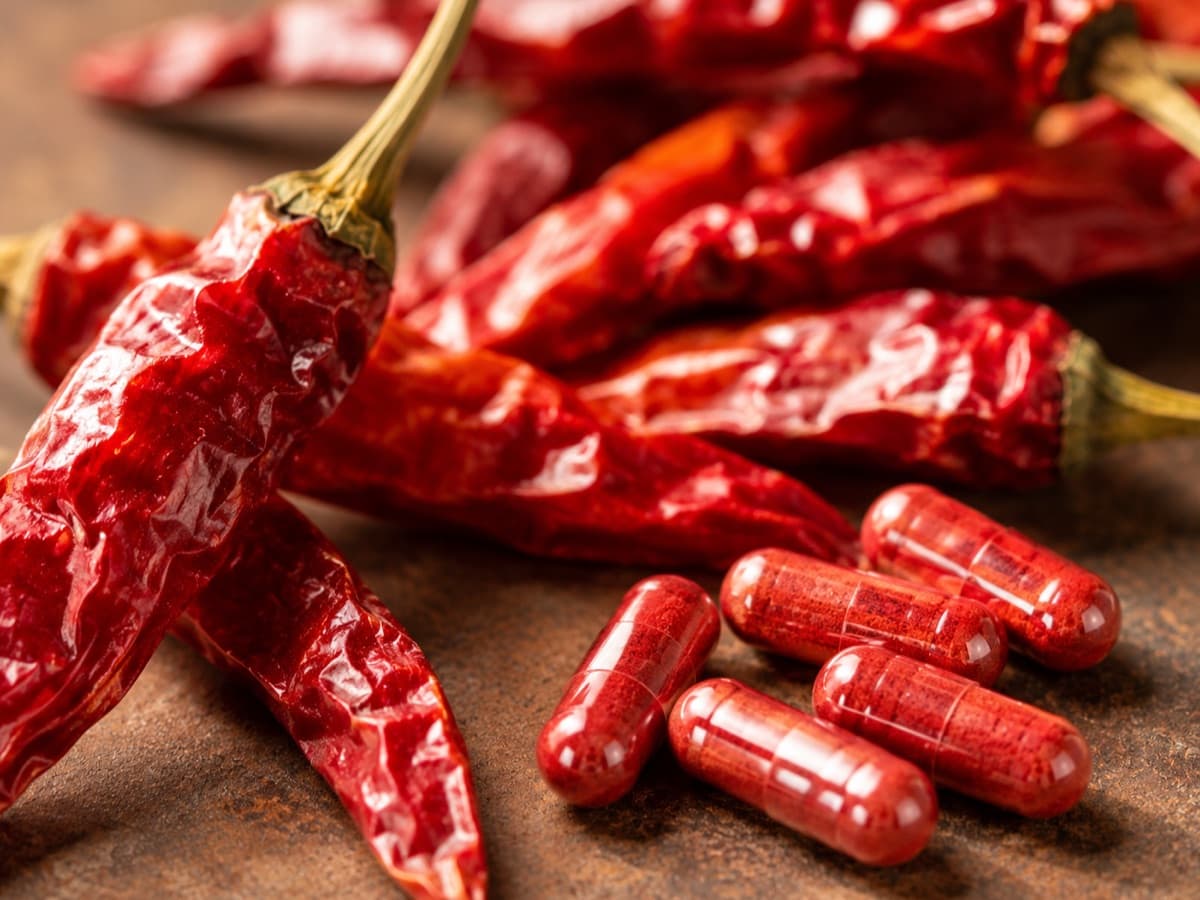
The active compound in chili peppers. Activates TRPV1 receptors to stimulate the sympathetic nervous system, studied for thermogenesis enhancement and appetite suppression.
An ingredient with growing research
Buy
(PR)The links below include affiliate links (PR).
Effects reported in research
May slightly increase resting energy expenditure via thermogenesis
Some research reports increased satiety and appetite suppression
Suggested enhancement of fat oxidation
Dosage & timing
- 2–6 mg/day of capsaicin (or capssinoid equivalent).
- Typically taken before meals.
Cautions
- •Strong GI irritant — use with caution if you have GI disorders or IBS.
- •May worsen GERD.
- •High doses risk gastric mucosal irritation.
Supporting research
Similar supplements
Green Tea Extract (EGCG)
Confidence: ModerateGreen tea catechins (epigallocatechin gallate: EGCG)
The primary active polyphenol in green tea. May enhance fat oxidation and metabolism synergistically with caffeine; also studied for antioxidant and anti-inflammatory properties.
5-HTP (5-Hydroxytryptophan)
Confidence: Moderate5-Hydroxytryptophan (from Griffonia simplicifolia seeds)
A direct precursor to serotonin, converting more efficiently than tryptophan. Studied for effects on mood, sleep quality, and appetite regulation.
Apple Cider Vinegar
Confidence: LowApple cider vinegar (acetic acid, polyphenols)
Fermented apple-derived vinegar. The main component, acetic acid, may blunt post-meal blood glucose spikes. Multiple studies examine its role in weight management, appetite suppression, and blood sugar regulation.
Last checked: